
Top Tips: Shooting Vast Landscapes
with your Sony Alpha camera
Show Scale
It can be difficult to demonstrate scale when there are no reference points for relativity, so I try to include references such as trees or people, so that one can grasp the size and distance of a scene.
 © Tobias Hägg | Sony α7R IV + FE 70-200mm f/2.8 GM OSS II | 1/500s @ f/5.6, ISO 100
The Camera
I mainly shoot with Sony Alpha 7R IV and have used the Alpha 7R range back to the Alpha 7R II. I love the dynamic range of the camera and the colours that come out of it, not to mention, the file sizes are enormous and capture every detail.
Don't Be Scared to Use a Telephoto Lens
When shooting a vast landscape, while I tend to vary which lens I opt for, I enjoy using my 100-400mm GM and 70-200mm f/2.8 GM II lenses. The G Masters are lightweight, which is a priority for long haul trips, and the image quality is excellent.
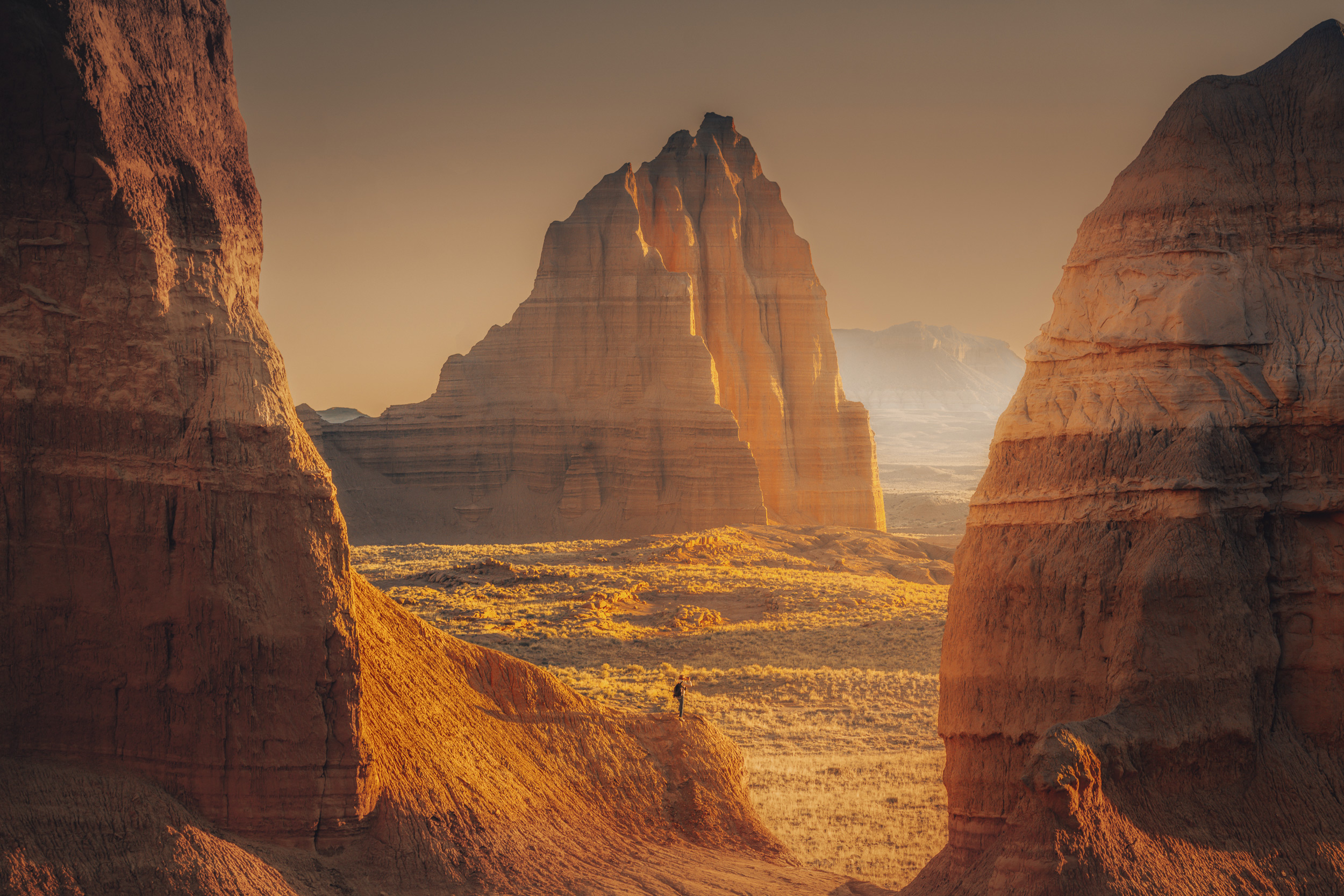 © Tobias Hägg | Sony α7R IV + FE 100-400mm f/4.5-5.6 GM OSS | 1/250s @ f/7.1, ISO 100
When you first see a vast scene, there is an instinct to take a photograph that takes it all in. However, as I have become more experienced, I try to take smaller pieces of that landscape instead of capturing everything all at once, as sometimes this can create an empty image with too much space and not enough depth.
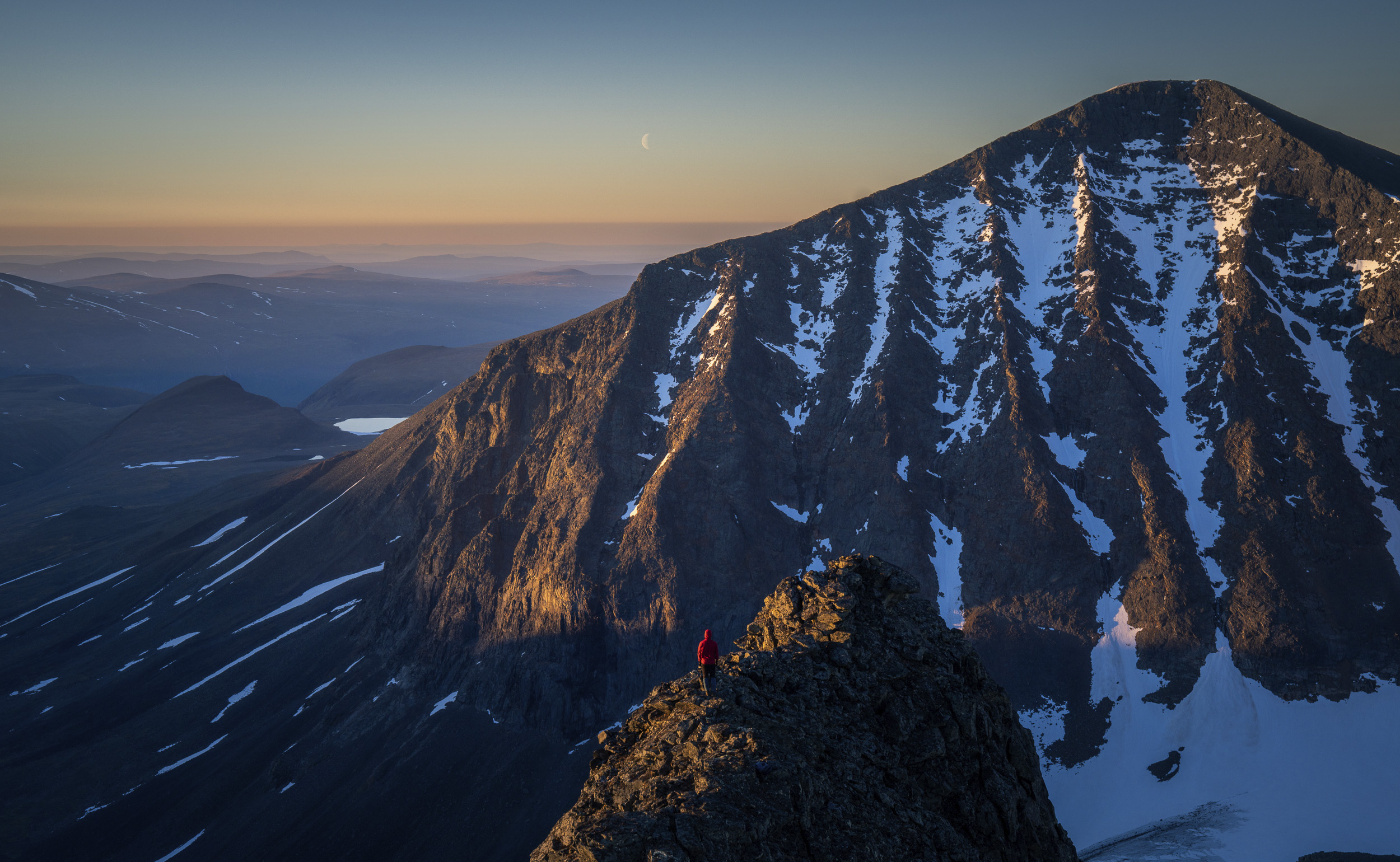 © Tobias Hägg | Sony α7R IV + FE 24-70mm f/2.8 GM | 1/160s @ f/5.6, ISO 100
Use all the Apertures
Many landscape photographers think that everything in the image has to be sharp and you need a small aperture to create that depth of field. I vary the aperture depending on the scene, and I'm not scared of using an aperture of f/2.8 to produce a shallow depth of field to make an object stand out.
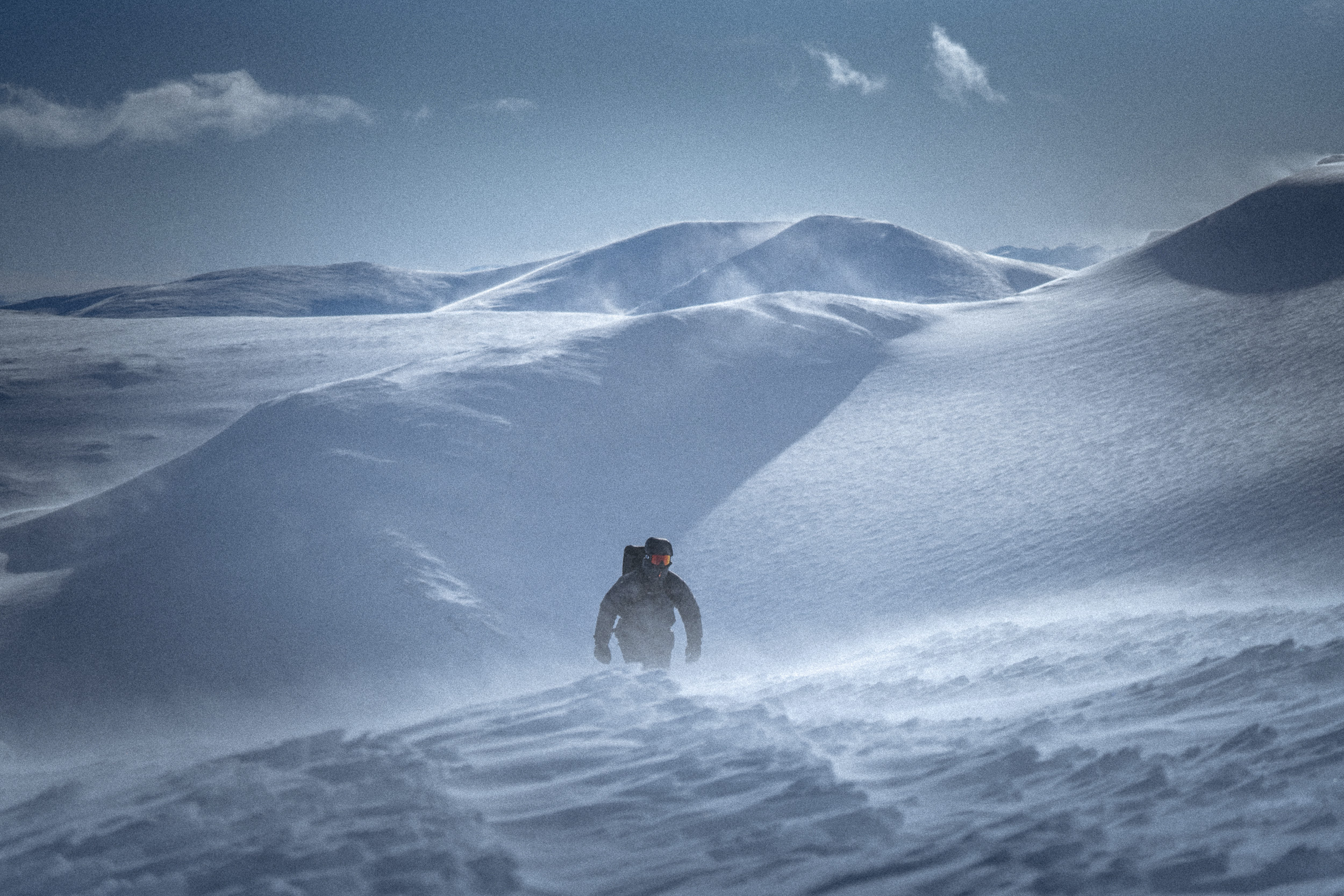 © Tobias Hägg | Sony α7R IV + FE 70-200mm f/2.8 GM OSS II | 1/8000s @ f/2.8, ISO 100
At other times, I may shoot at a smaller aperture, like f/14, and stack a series of pictures together to get a sharp image from front to back. It really does depend on what I’m looking to capture. Don't be fixated on using just one or two aperture settings.
The SteadyShot of my Sony Alpha 7 IV and GM lenses is strong and reliable enough to shoot landscapes without a tripod, and I have never had a problem. Of course, the tripod is useful if the light is low, and I don't want to crank up the ISO setting or if I want to take multiple images to stack later. But in general, I don't use my tripod that often.
Colour and Light
Colours of the landscape are essential. But colours vary depending on the light at different times of day and year.
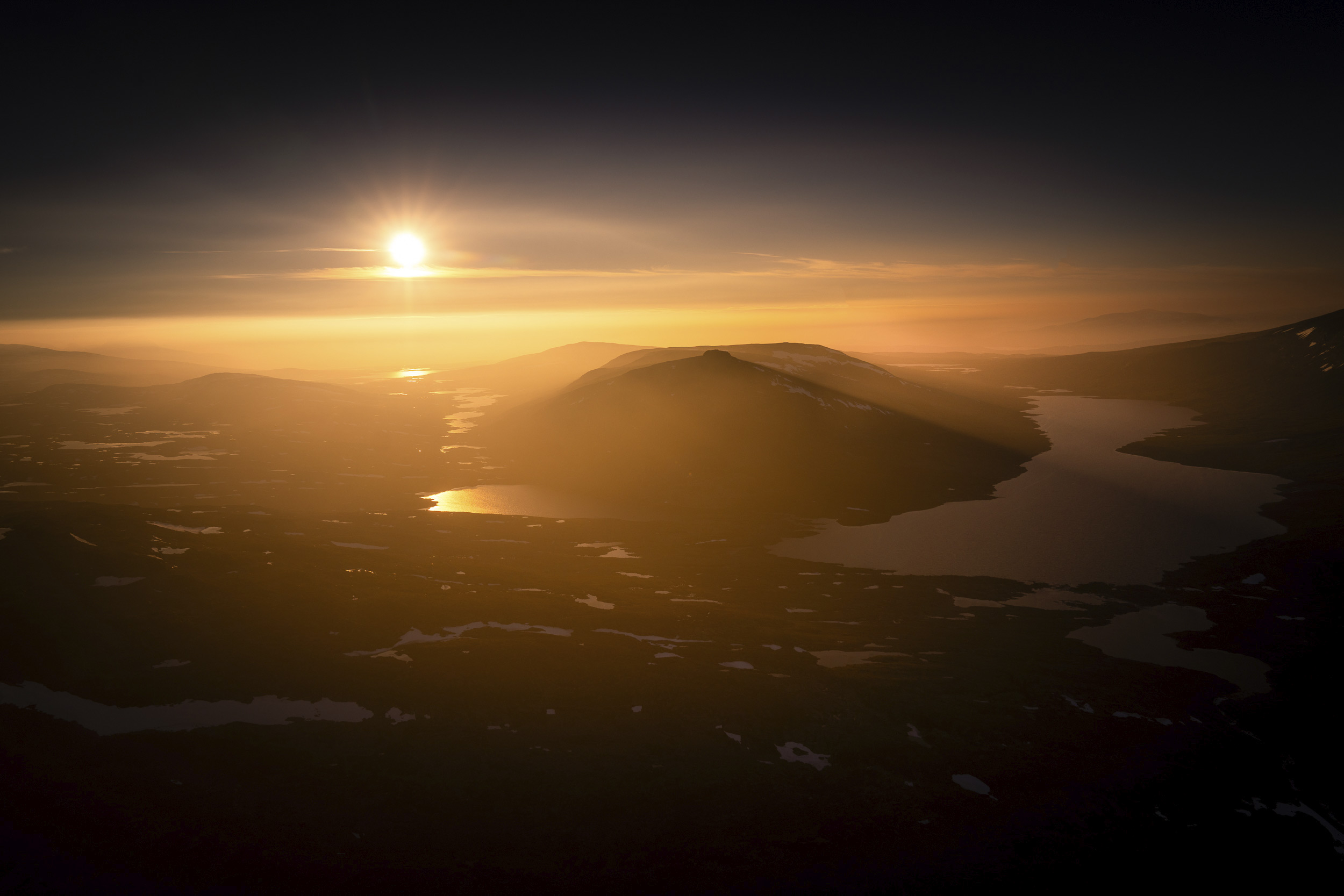 © Tobias Hägg | Sony α7R IV + FE 24-70mm f/2.8 GM | 1/1250s @ f/5.6, ISO 100
Many of my Lapland images were shot in February and March, so the sun was very low in the sky for most of the day; none were actually during sunrise or sunset.
I prefer to shoot in the early morning or late afternoon because the light is softer, which accentuates the colours. However, whilst I used to be strict on shooting early morning or late afternoon, I no longer avoid the hard midday light – you can still make it work for you and the scene you are looking to capture with the right kit.
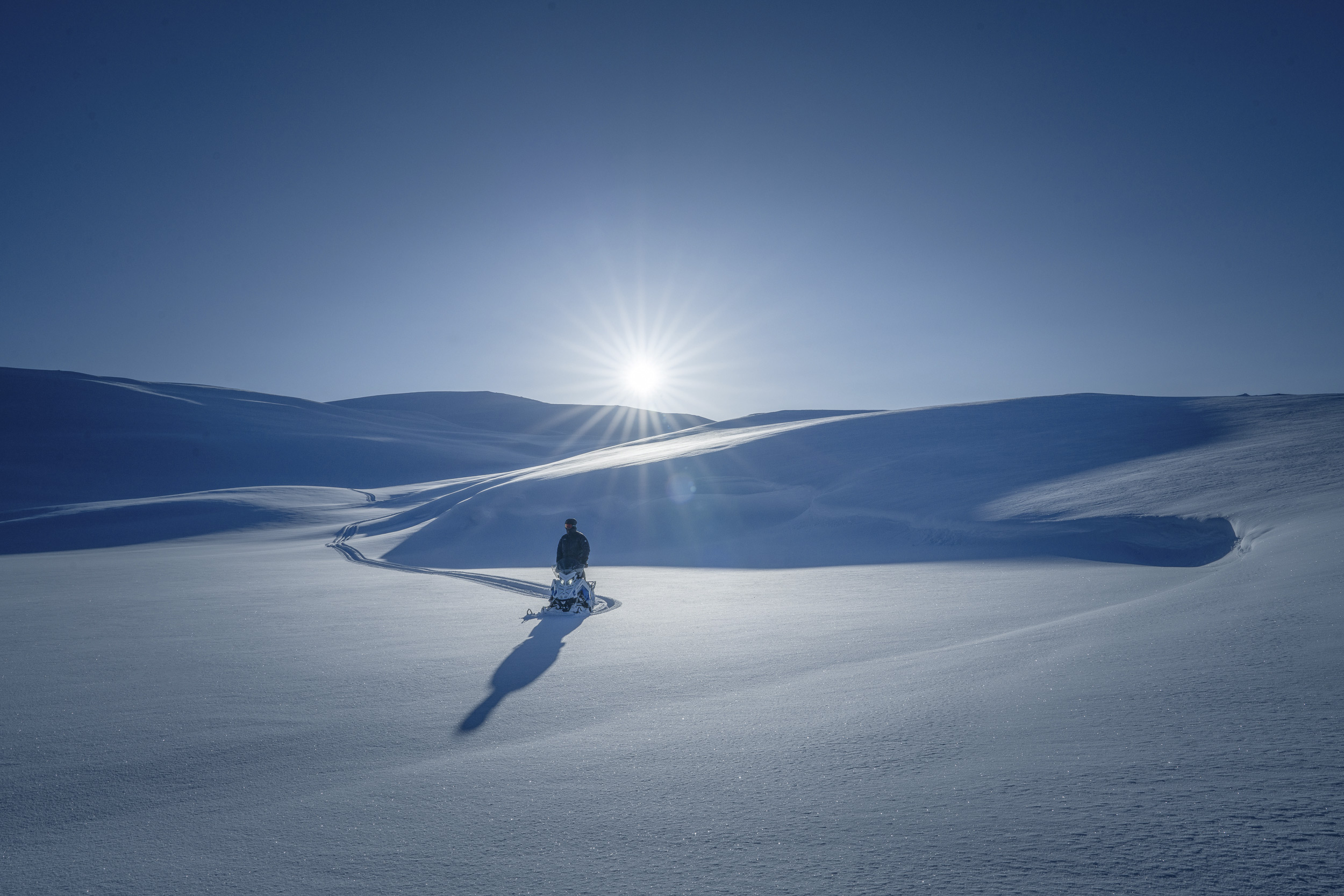 © Tobias Hägg | Sony α7R IV + FE 24-70mm f/2.8 GM II | 1/640s @ f/14, ISO 100
For instance, amidst very challenging conditions, beneath the high sun and against a backdrop of clear blue sky, I framed my friend on a snowmobile and took advantage of the shadows. Utilizing a small aperture, I created a sun star, turning harsh light into a captivating feature. So, here I used the conditions presented, and worked with them.
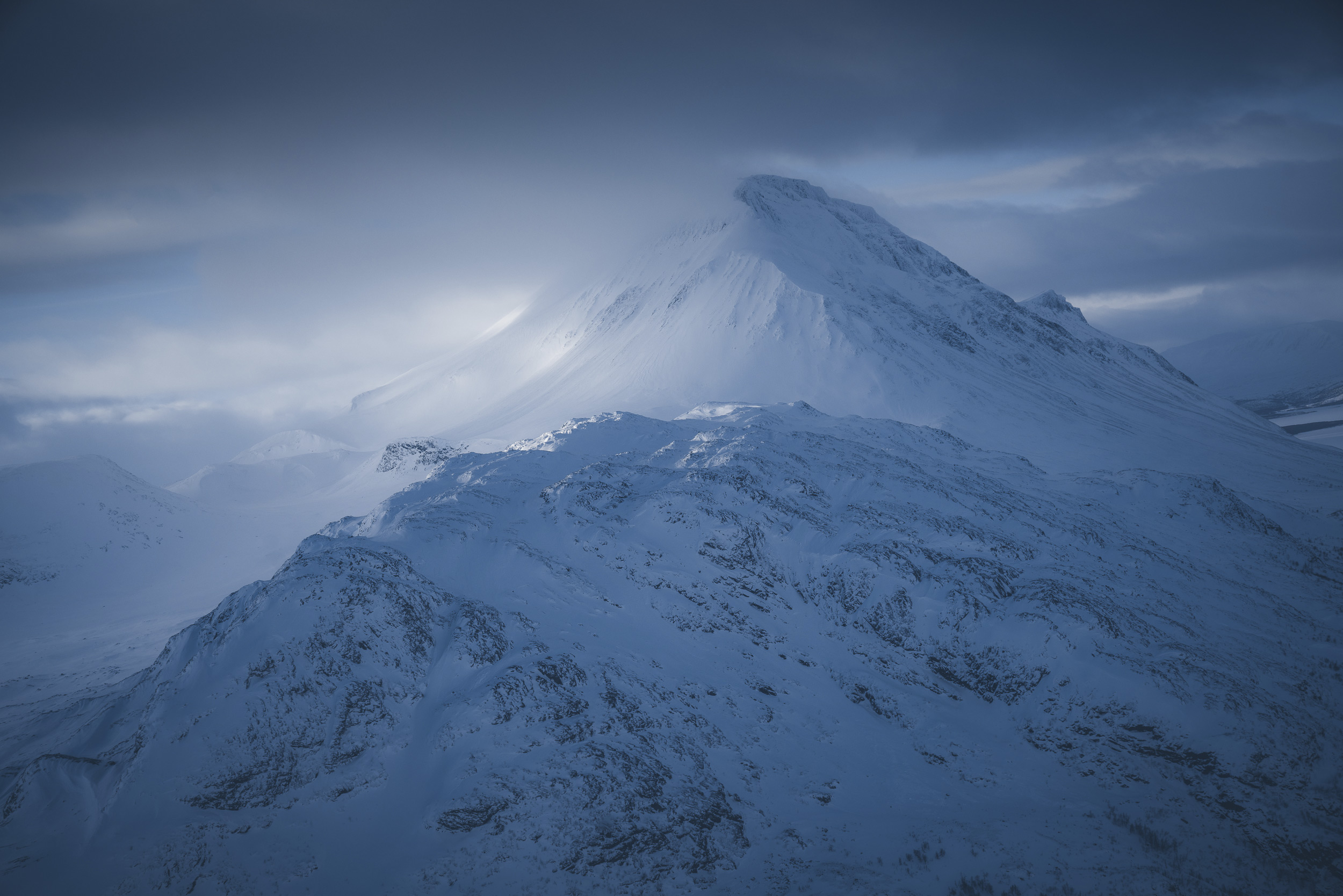 © Tobias Hägg | Sony α7R II + FE 24-70mm f/2.8 GM | 1/640s @ f/7.1, ISO 100
Underexpose for Highlights
I underexpose a lot. The most important thing for me when working on landscapes is to make sure that I keep highlight detail. I tend to shoot fully manually and then use the histogram to adjust the exposure and darken the image to preserve highlights. My raw files can look dark, but then I know I can recover them. There is so much detail in the shadow areas thanks to the dynamic range of the Alpha 7R IV; it is fantastic in recovering those details.


