
Baroque Artistry with the Venice 2
Simone Sadocco
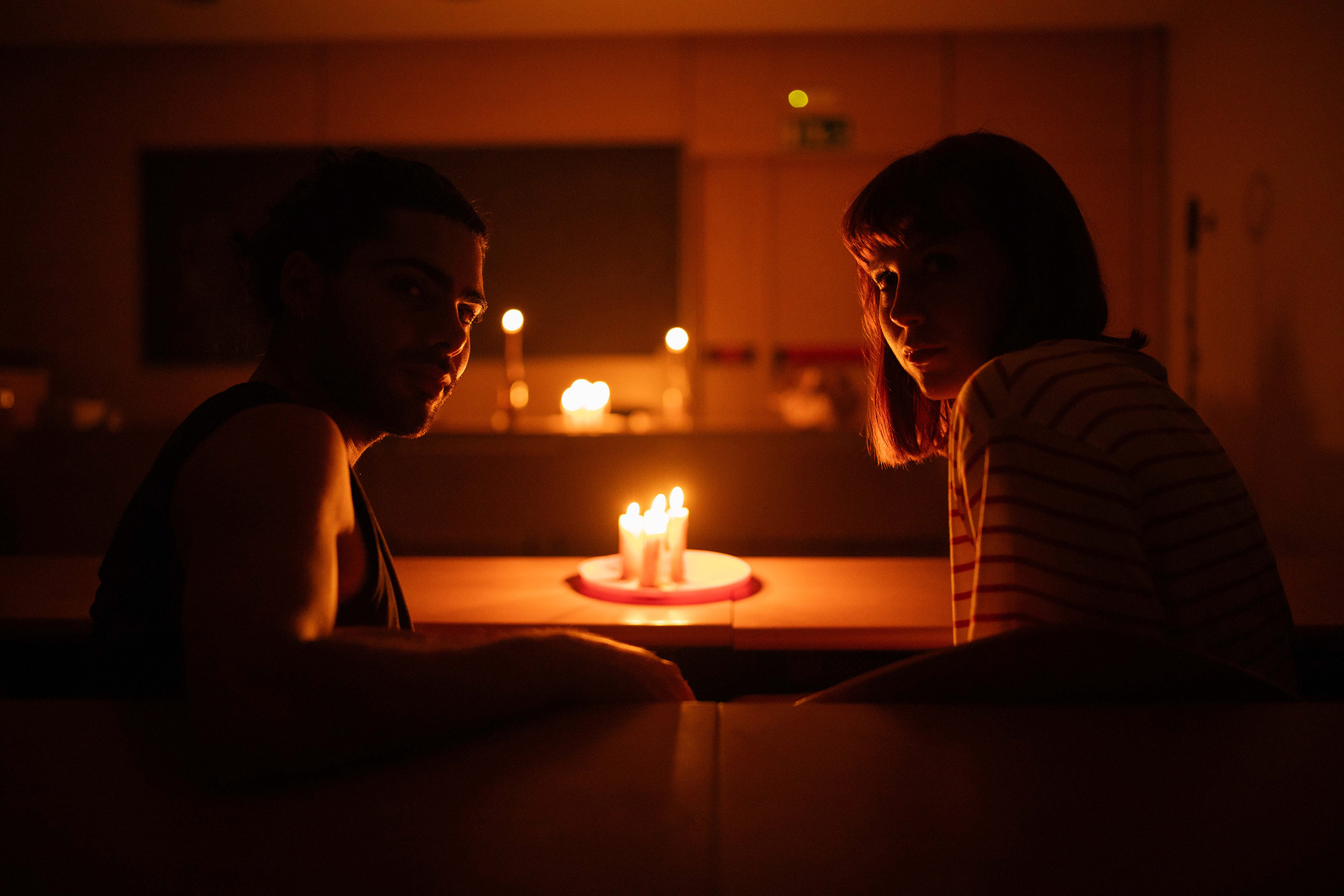
If the essence of cinematography is the manipulation of light, then filming with almost no light must be a cinematographer’s greatest challenge. Simone Sadocco knew this when he agreed to work with director Nicolò Folin on Kushta Mayn for their final project at the prestigious Centro Sperimentale di Cinematografia. And he knew that candlelight would be the one additional light source he could use for the film’s darker scenes.
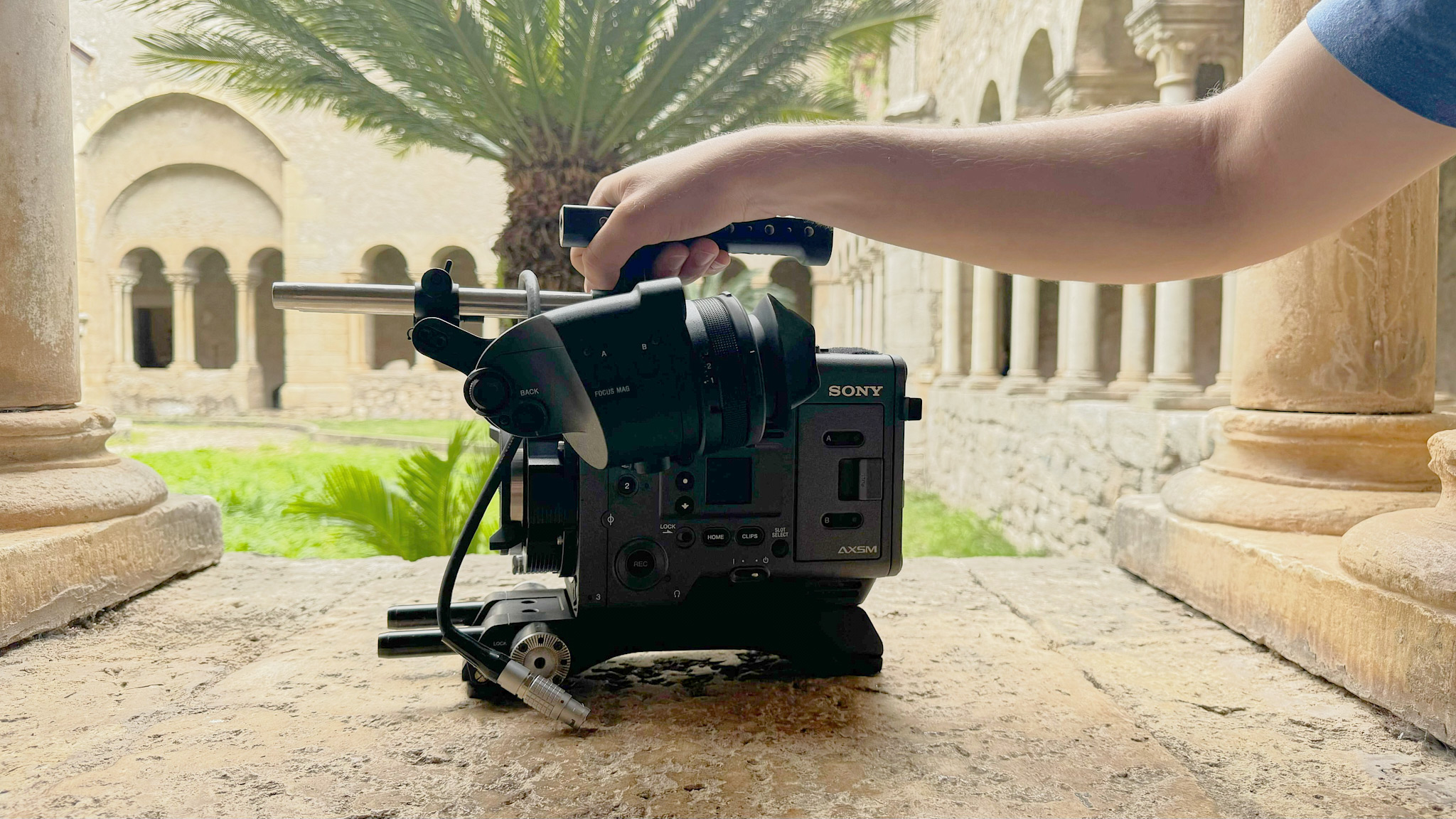
Such a limitation could yield beautiful, immersive visuals for the project. But only if he had a camera that could deliver spectacular low light performance. Having used VENICE in the first year of his course at film school, Sadocco knew it could deliver. And VENICE 2 had just been announced.
Baroque inspiration, candlelit performance
Sadocco had a clear reference for Kushta Mayn’s visual inspiration: the works of Georges De La Tour, a sixteenth-century painter known for subjects illuminated by candlelight. This wasn’t simply a stylistic choice, but one born of a desire for historical accuracy too: The story of Kushta Mayn is set in 1563, and recounts the story of two friends who arrive in Italy from Poland, on their way to Constantinople.
With this context, Sadocco focused on candlelight tests for VENICE 2, where the camera exceeded his expectations immediately: “The ISO capability of VENICE 2 was the standout feature for me. Honestly, I was astonished.”
This remarkable performance would prove key to Kushta Mayn’s aesthetic, but was also invaluable to supporting the way Folin wanted to direct. To help his cast focus on the emotional resonance of their performances, he wanted to shoot long takes and cut as little as possible.
When it was time to roll on production, this meant added pressure for the camera team, who were filming for up to five minutes at a time, with Sadocco’s operator needing to capture the subtlest details on the actors’ faces, and often just flickering candlelight to work with.
“There were times during our darker shots when our camera operator couldn’t see what he was filming until he looked at the viewfinder,” says Sadocco. “I had to push the ISO even further than I usually would, to make sure we didn’t miss an ounce of emotion from our actors. I think we actually went all the way up to ISO 4000 for one scene, while moving candles around to get the best result we could. But Nicolò was VERY happy with the result!”
Beyond the requirement for filming by candlelight, Folin had given Sadocco very specific guidance on what he wanted to achieve. He wanted the viewer to feel that they were watching through a keyhole: some parts of the image may be dark, grainy, even dirty, but always authentic and believable.
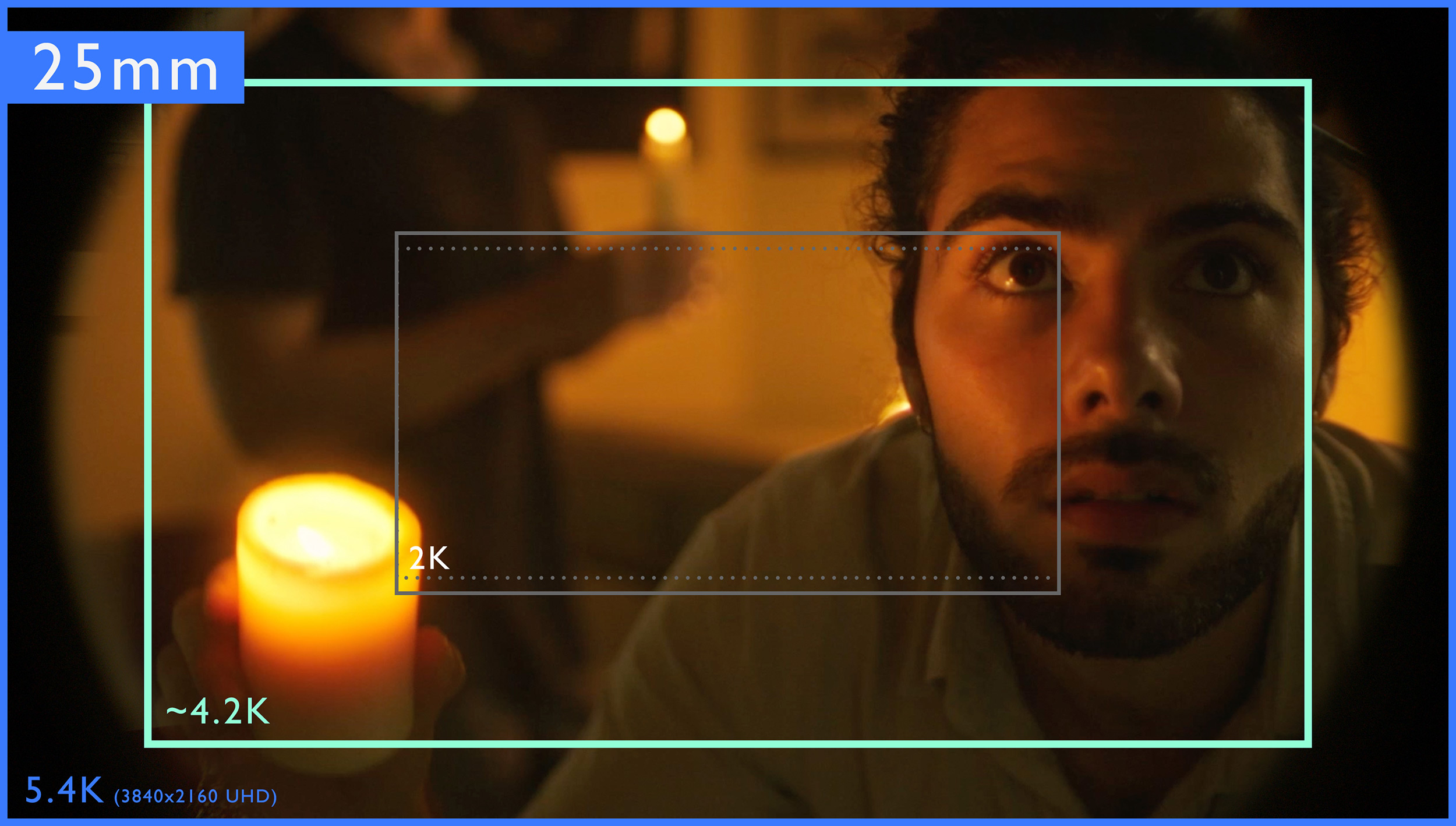
With this creative vision in mind, Sadocco didn’t want to capture sharp, ‘perfect’ images and then heavily manipulate them during post. So he opted for vintage 16mm lenses, that would impart a more natural, unpolished look to the shots. These were then stretched to create the final, full-frame, 2K film, while keeping the filmic grain and depth of field that the partnership of VENICE 2 and vintage lenses captured. And the result is a compelling, intimate atmosphere that permeates the entire film.
Even as we were shooting, I knew we were capturing something with a more ancient feeling to it”
Shade, sunlight, and rich colours
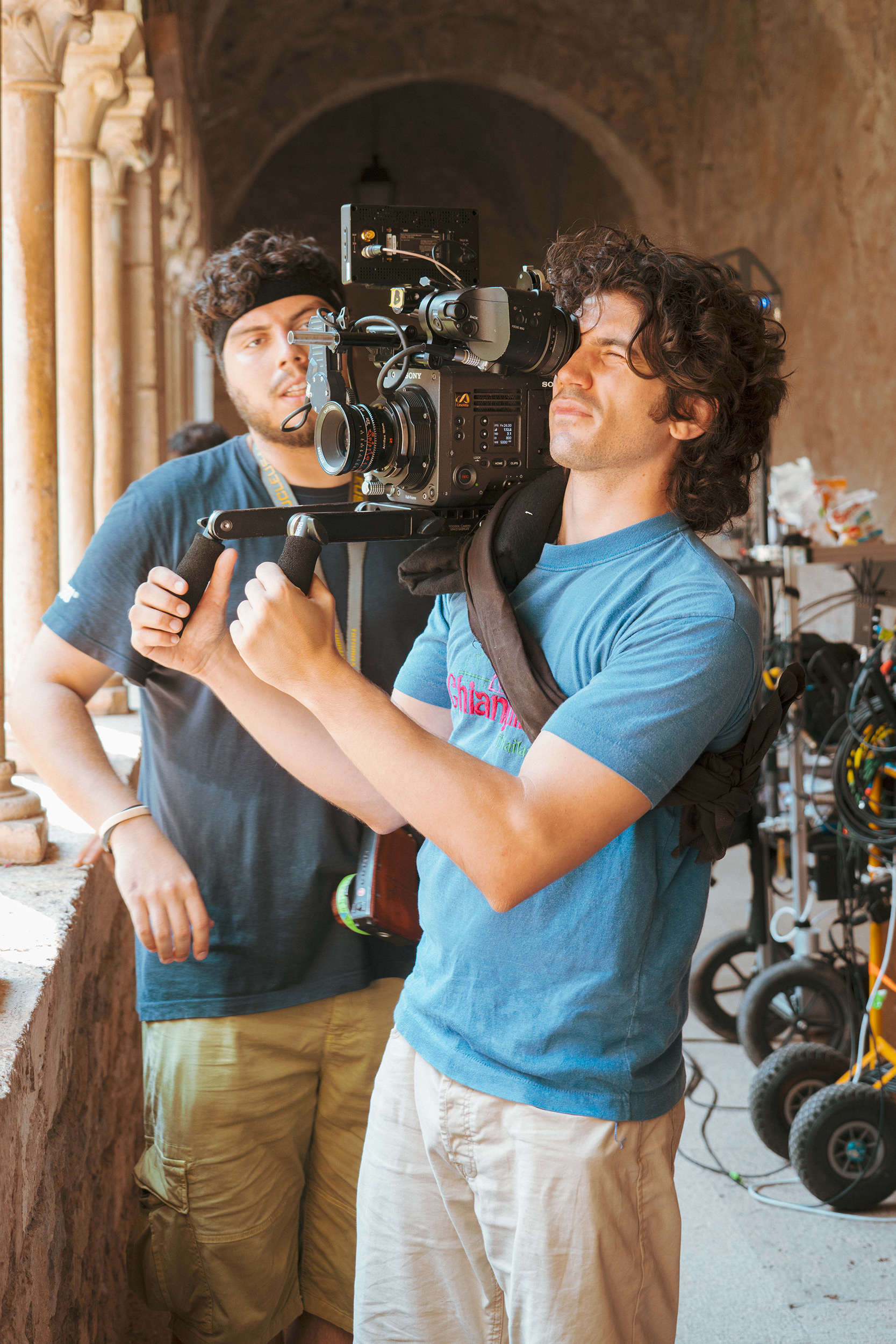
When not filming in near-darkness, VENICE 2’s famed dynamic range was truly put to the test. One of the five days of production saw actors running through the cloister of an ancient monastery in broad daylight, moving from pools of shade to bright sunshine every few moments.
VENICE 2’s built-in mechanical ND filters helped the camera team to prepare for these shots faster, saving a significant amount of time compared with adjusting external ND filter set-ups. However, Sadocco and his camera team had no time to adjust the iris or do anything else to mitigate the direct sunlight, given the tight shooting schedule and strict location rules.
After a full morning of shooting, Sadocco checked the footage during a lunch break and was stunned: “It amazed me – even shocked me a little! I was a little frightened, as the white collars of the costumes looked clipped while we were filming in bright, midday sunlight. But we were easily able to recover this, even with actors moving rapidly from shade to sunlight and back again. There must have been some magic behind this!”
This success was partly due to VENICE 2’s staggering latitude, but also the powerful, 16-bit X-OCN recording format that Sadocco had chosen.
Knowing that he would need to do some very detailed colour correction, he wanted a format that would give him vast dynamic range, but also allow him to find the dusky reddish tones and soft greys that characterise De La Tour’s paintings.
I’m a colourist at heart,” he explains. “I’ve always enjoyed post-production and fine-tuning the colours in my photos and films. I wanted to shoot RAW files, but we only had two hard disks to work with and very limited time. X-OCN provided the perfect solution, giving us almost exactly the same amount of colour depth and information, but with much more manageable files sizes.”
After the shoot had wrapped, and Sadocco and Folin began reviewing all their footage, they were once more impressed by what they saw:
“The footage from VENICE 2 was neat and smooth, but highly detailed and still believable. In short, it looked filmic – somewhere between the way we experience the real world and the look of film. To put it in Nicolò’s words, it felt like a historical documentary, which is exactly what he wanted.”
At the end of this intense, challenging process, Kushta Mayn presents a painterly expression of a historical epic. And Sadocco has proven himself a worthy recipient of the 2024 Sony Student Award for this final project at Centro Sperimentale di Cinematografia.


