
Chasing Light in the Andes with the Alpha 7R VI
Marco Grassi
I've spent the last weeks traveling across Chile and Bolivia, capturing volcanic peaks, lagoons filled with flamingos, the ancient, alien-like Yareta plants and the Uyuni salt flats, the world's largest natural mirror and some of the darkest skies I’ve ever seen.
Traveling through such remote areas, where profound silence reigns, is a rare luxury in our frantic world. To me, landscape photography is about disconnection and when I'm immersed in nature, everything else starts to slow down.
Part of my process is to spend days waiting for the perfect light and the right conditions. That fleeting split-second when everything aligns is a feeling I can’t explain; it’s a reminder that primordial beauty still exists far beyond our urban jungles, if we only find the will to seek it.
On this trip, I had the pleasure of testing the Alpha 7R VI and I was completely blown away!
My approach in the field is centred on exploration; I want to be as agile as possible to discover unique compositions without heavy gear slowing me down. Given the 8.5-stop IBIS and the 66.8 MP sensor, I frequently found myself leaving the tripod behind as the IBIS allowed me to achieve tack-sharp results while shooting handheld at slow shutter speeds.
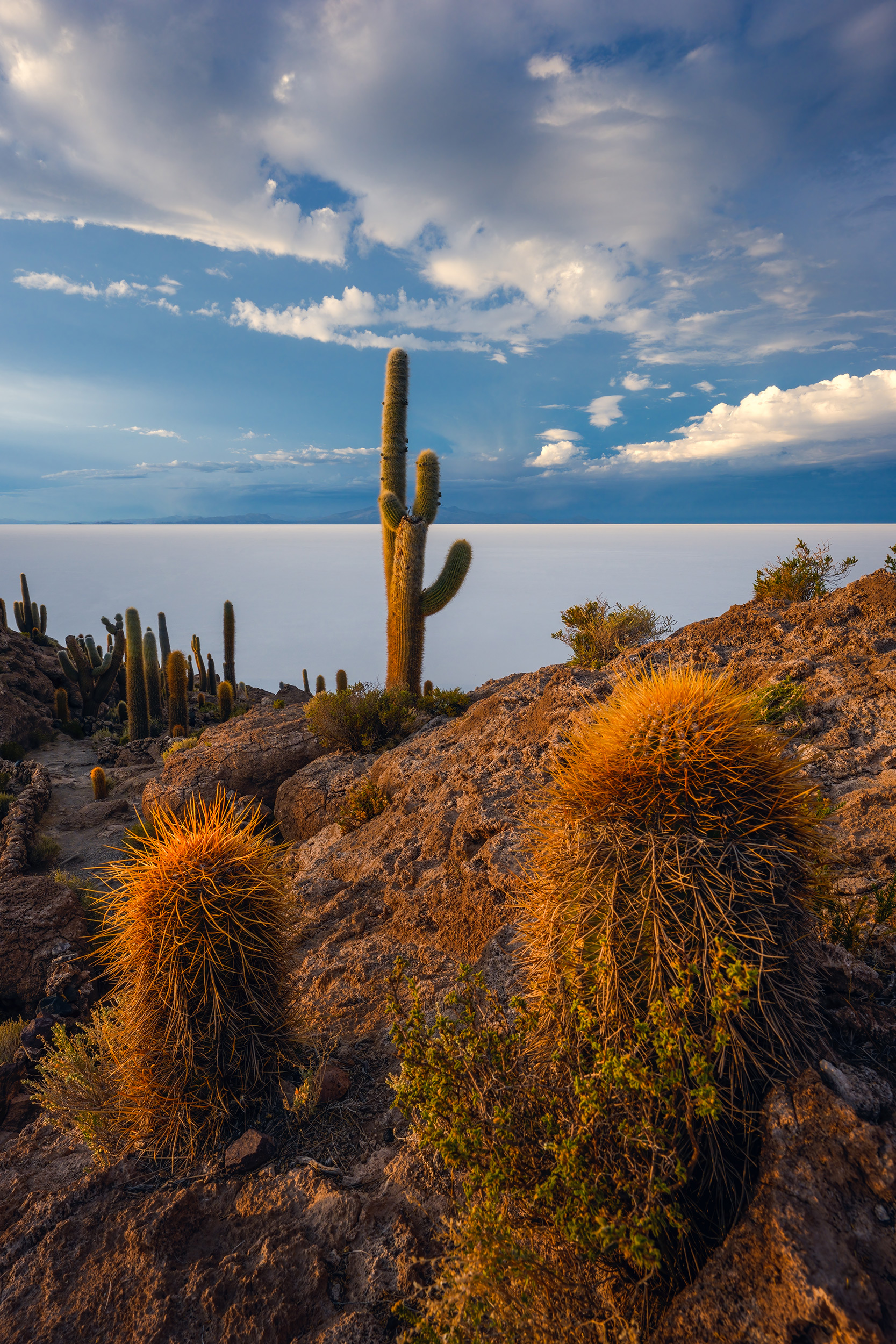 © Marco Grassi | Sony α7R VI + FE 12-24mm f/2.8 GM | 1/50s @ f/14, ISO 250
I have never taken so few bracketed images on a trip before. The improved 16 stops of dynamic range allowed me to capture most scenes in a single exposure, trusting the sensor to preserve every detail from the deepest shadows to the brightest highlights.
Combined with the brighter screen, backlit buttons for night shooting, and significantly improved battery life, the camera felt less like a piece of equipment and more like a partner that gave me the confidence to fully focus on the moment.
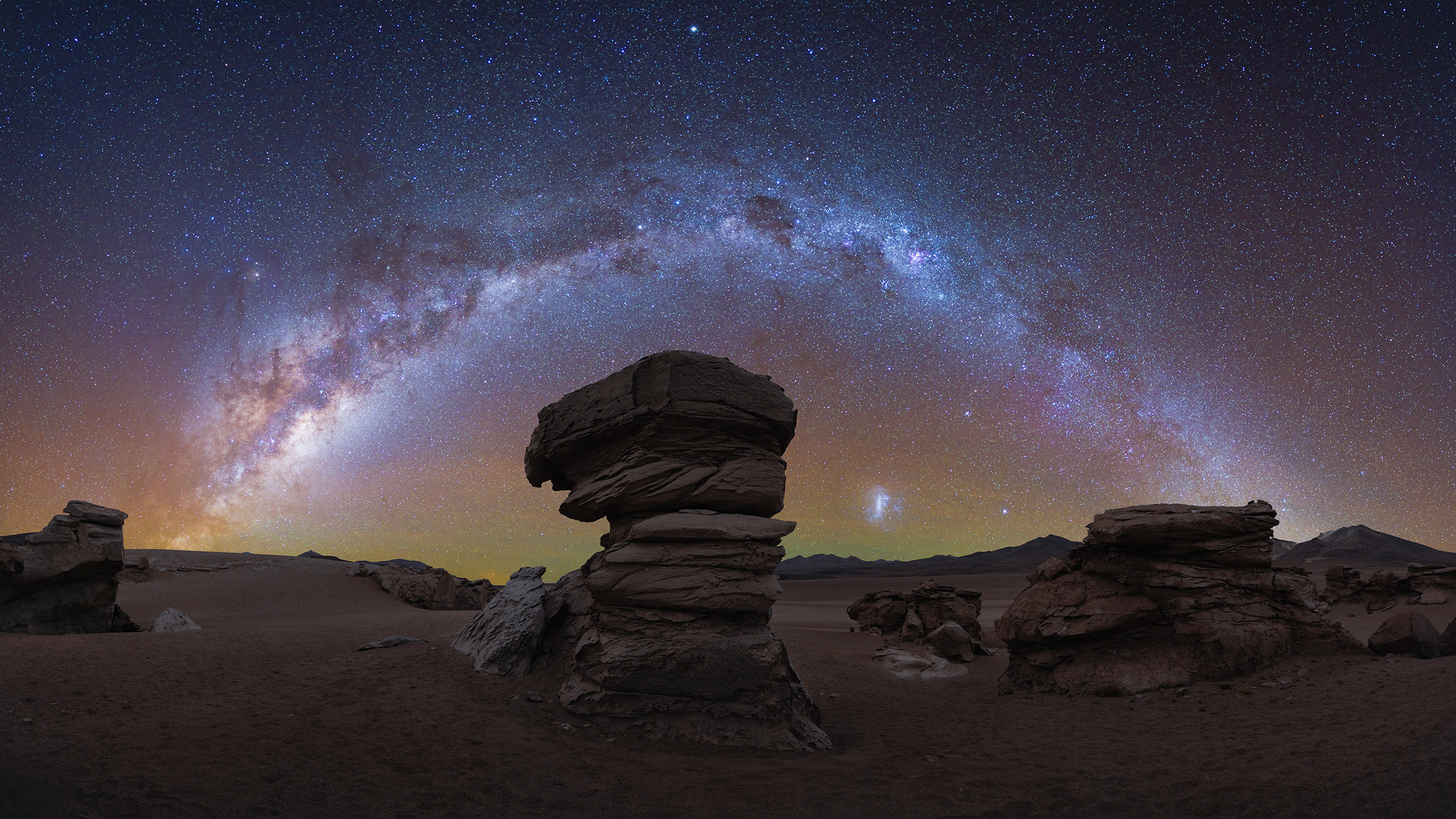 © Marco Grassi | Sony α7R VI + FE 14mm f/1.8 GM | 120s @ f/1.8, ISO 1250
In landscape photography, the most powerful moments are often the most fleeting.
The Alpha 7R VI removes the technical friction between seeing a moment and capturing it. Having 66.8 megapixels isn't just about large prints - it provides the creative freedom to re-frame and crop a scene during post-processing. It’s like having a 'story within a story' in every frame.
Furthermore, the incredible dynamic range and IBIS mean we can finally stop constantly worrying about setting up brackets or using a tripod and start focusing on the creative part.
For photographers this means being faster, more reactive, and at the same time being able to capture textures and tonal transitions like never before.
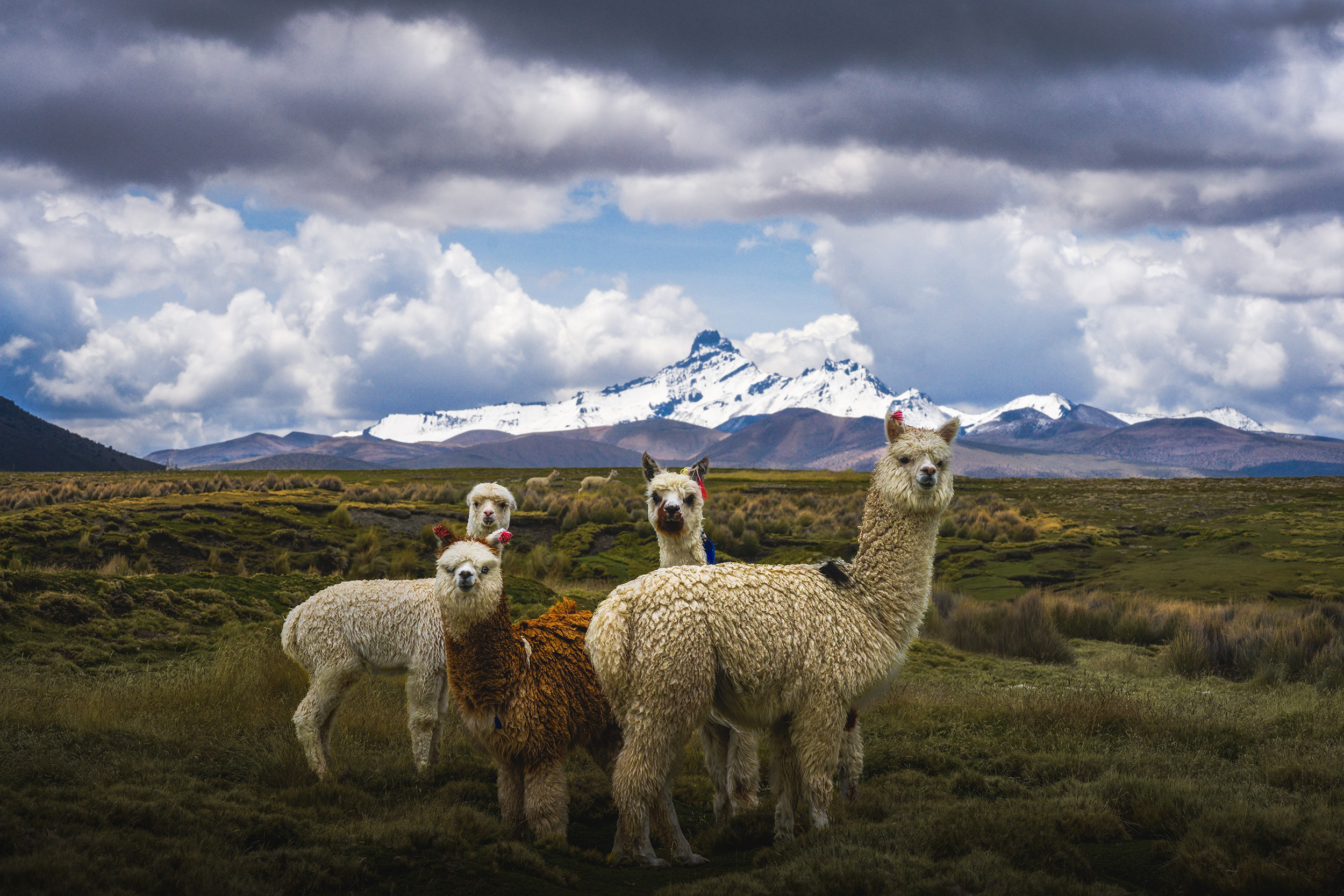 © Marco Grassi | Sony α7R VI + FE 70-200mm f/4 Macro G OSS II | 1/800s @ f/11, ISO 250
I’ve been a user of the Alpha 7R series for nearly a decade. While I’m aware that every upgrade has been a significant step forward, just last month I was convinced the Alpha 7R V was the absolute pinnacle of what a landscape camera could be, but this new model has proved me wrong by offering a superior 360-degree experience in every aspect.
What I find most remarkable is that despite the deep technical evolution, the camera maintains that intuitive familiarity I rely on with the R series. This gave me the confidence to react instantly to shifting light without having to rethink my workflow.
It fits seamlessly into my Sony ecosystem but provides a level of responsiveness and detail that makes me realise I didn’t know how much better it could get until I had it in my hands.
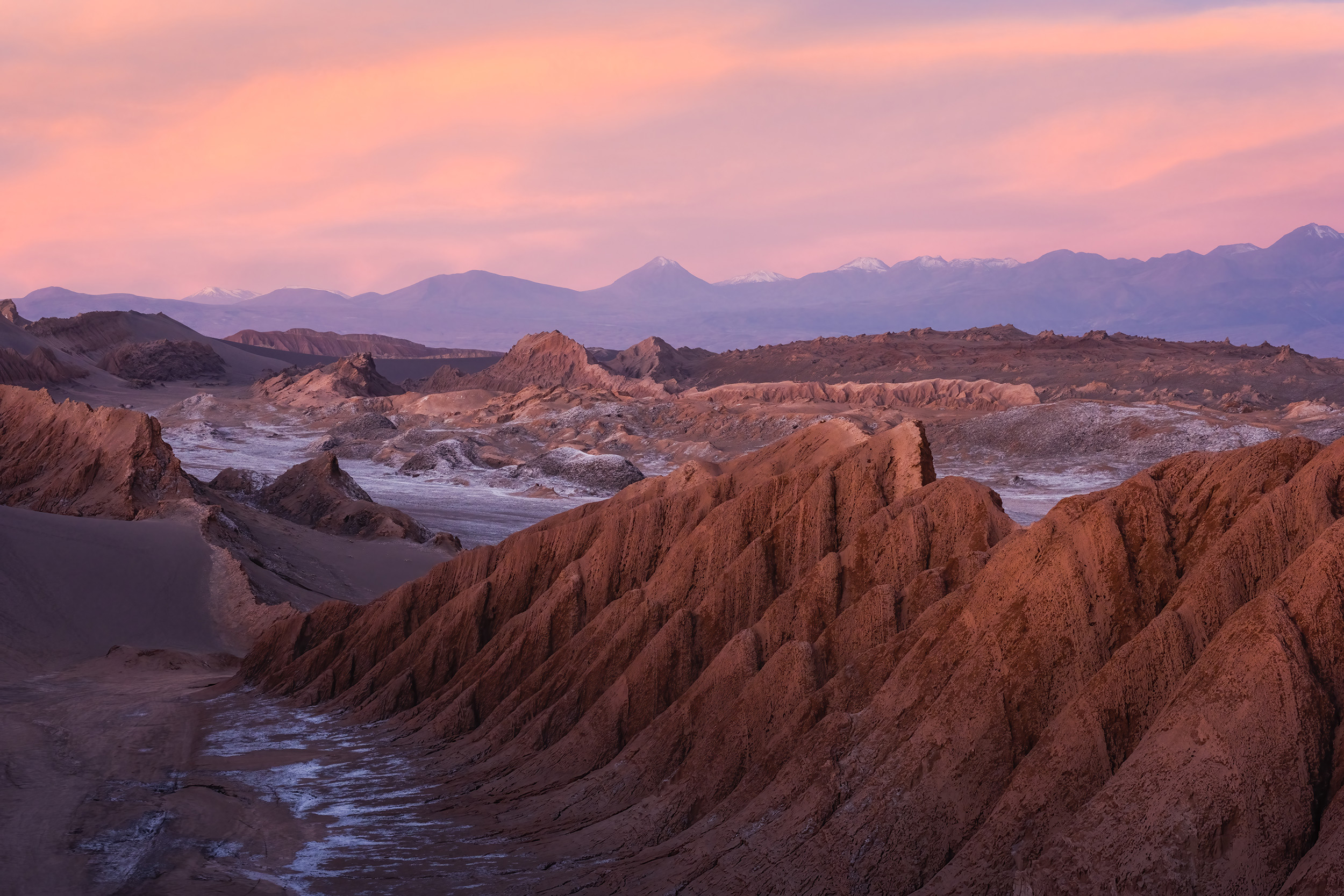 © Marco Grassi | Sony α7R VI + FE 70-200mm f/4 Macro G OSS II | 1/100s @ f/7.1, ISO 400
During this project, I pushed the Alpha 7R VI to the extremes, from the scorching +30°C of the Atacama Desert to the biting -18°C of the Altiplano.
Through dust, snow and rain the camera had no issues whatsoever. And in the blinding glare of the salt flats, the new EVF, three times brighter than its predecessor, made composing shots a breeze.
I even tested it with wildlife, and the autofocus performance was outstanding and it was easy to get the focus spot on.
But the real mark of a professional tool is that the more you use it, the less you have to think about it. It becomes a reliable companion that executes perfectly every time.
I am not exactly gentle with my equipment, and I need gear that can keep up with a demanding pace in remote locations. Having full trust that my camera will translate my vision into an image, regardless of the conditions, is exactly what allows me to step up my game.
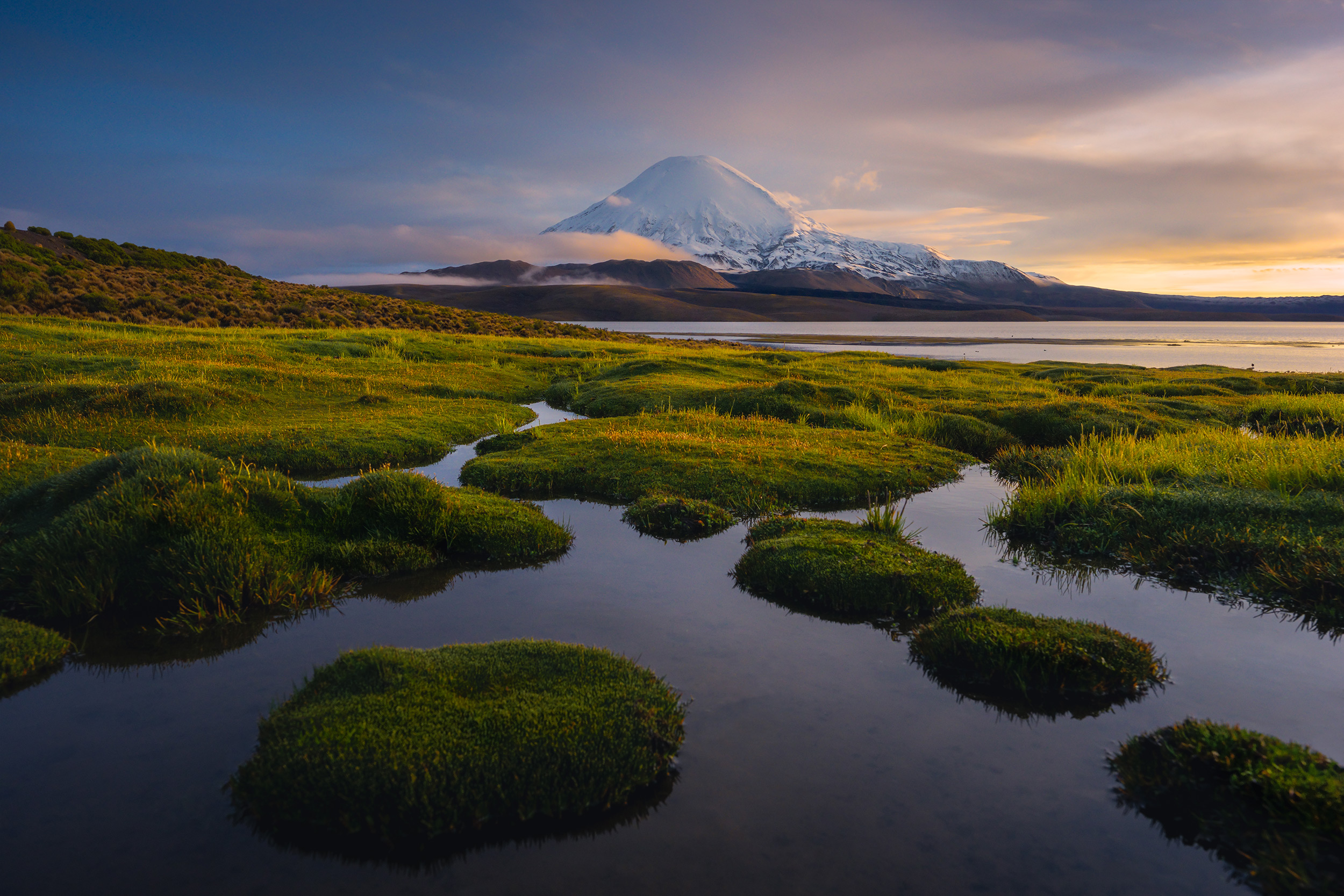 © Marco Grassi | Sony α7R VI + FE 12-24mm f/2.8 GM | 1/160s @ f/9.0, ISO 640
For this trip, I curated a versatile four-lens kit:
I used the FE 12-24mm f/2.8 GM to emphasise the foreground and create a sense of three-dimensional scale, from the foreground to the background. For my astrophotography sessions, the FE 14mm f/1.8 GM was indispensable; it’s perfect for Milky Way panoramas. The FE 24-105mm f/4 G OSS served as my reliable 'all-around' lens, staying on the camera for most of the trip. Lastly, I chose to bring the FE 70-200mm f/4 Macro G OSS II specifically for its lightweight profile. Rather than carrying a longer, heavier lens, I relied on the massive 66.8 megapixel sensor to crop in later if needed.
This setup allowed me to capture everything from intimate macro details, wildlife, starry skies to massive panoramas all while having a compact kit.
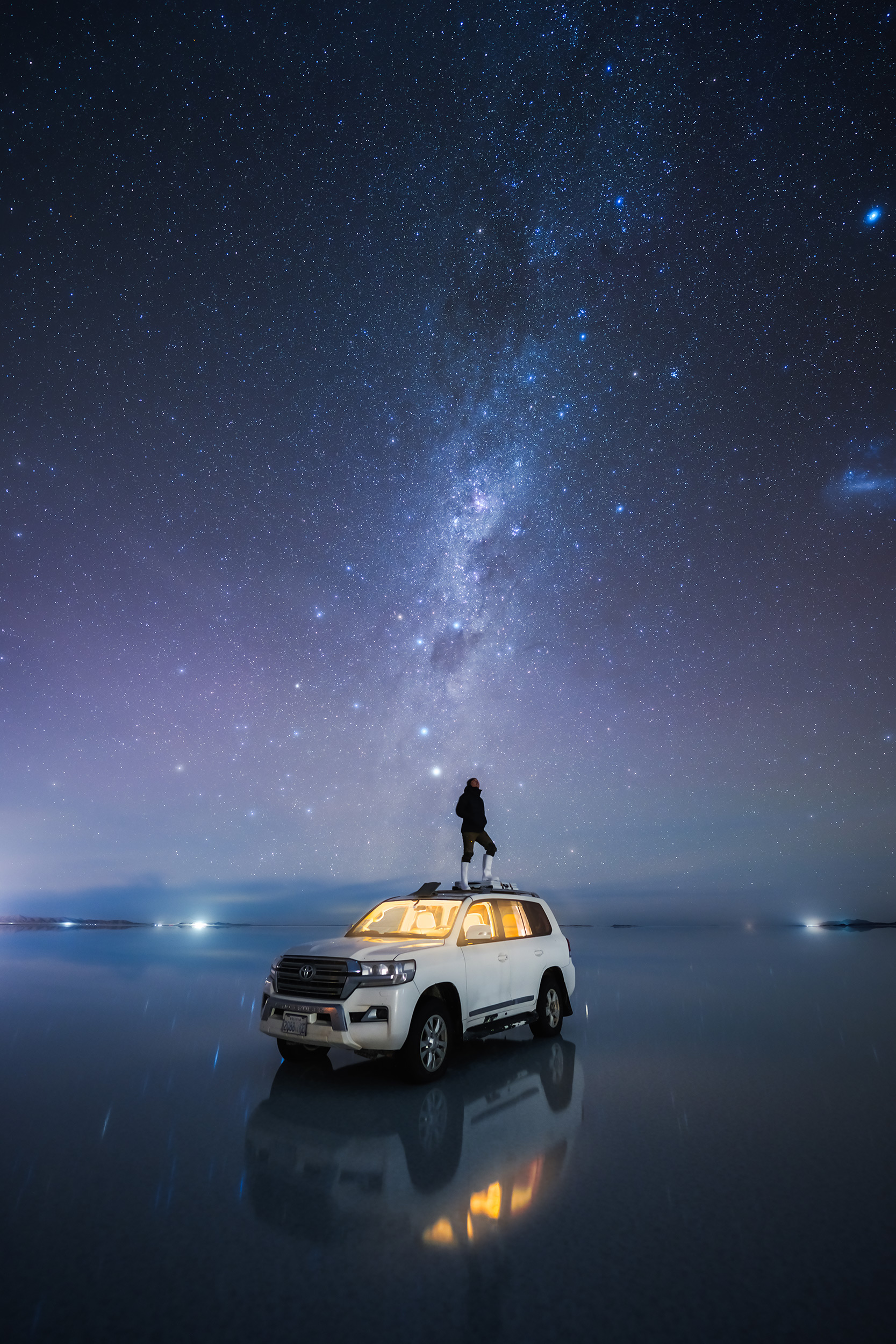 © Marco Grassi | Sony α7R VI + FE 14mm f/1.8 GM | 10s @ f/1.8, ISO 5000
The fact that we cannot control the weather is a key element of landscape photography. Often, conditions are not as we anticipated, but I personally see every outing as a win simply for the experience of being in nature, and I’ve learned to embrace whatever conditions I'm given and to always make the most out of it. My advice is to not obsess over the perfect forecast or preconceptions; instead, go with the flow. Observe, connect, and react.
Sometimes a shot lasts only a split second, and in that moment, you need gear you can truly rely on.
After these weeks in the Altiplano, I can honestly say this is the best camera I have ever used. I feel incredibly grateful to Sony for letting me push my creativity with it.


