
One Camera, Endless Possibilities
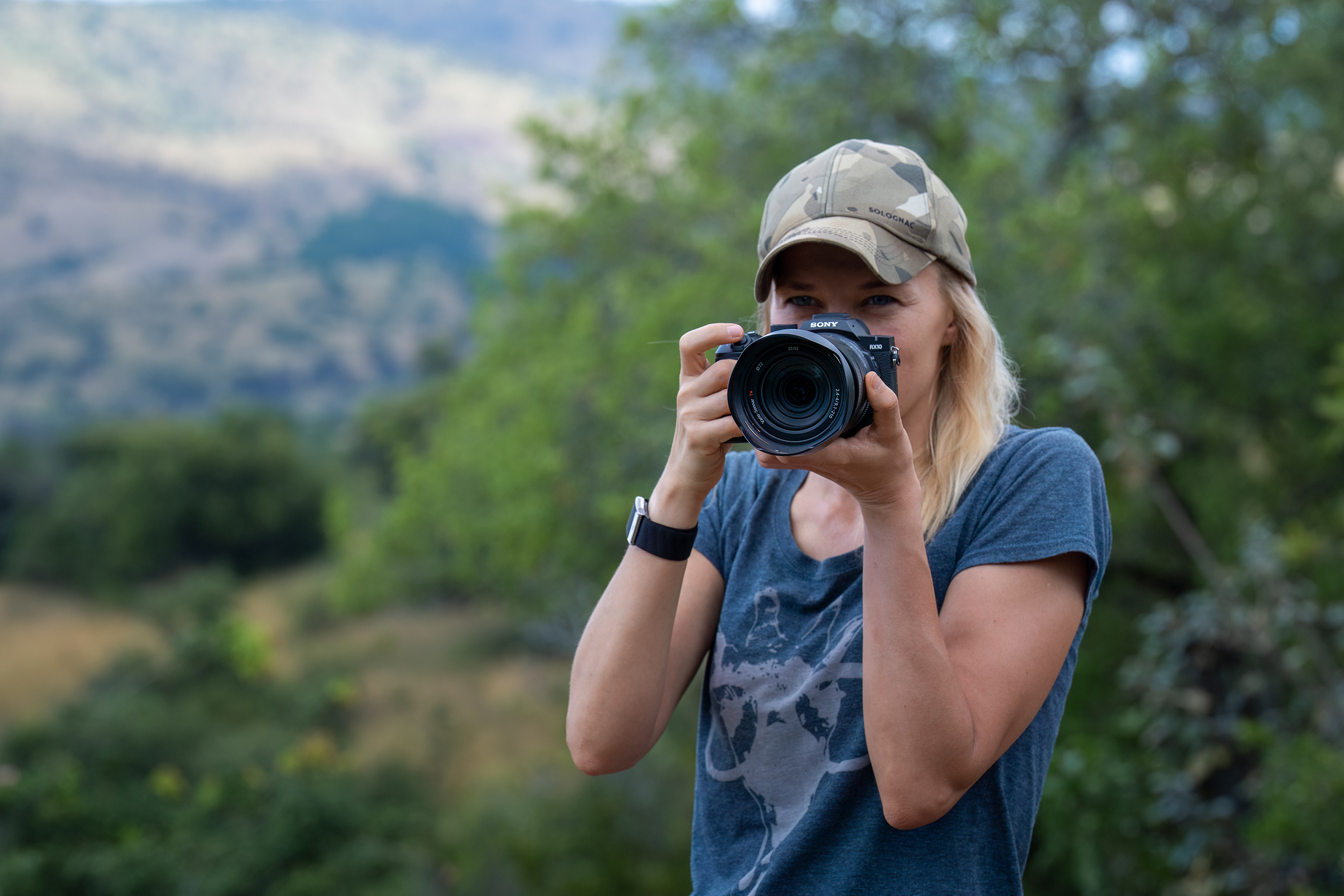
Alexandra Surkova shoots with the Sony RX10 V
There is a moment that happens on almost every wildlife trip.
You are watching an animal in the distance when suddenly something else catches your eye. A bird lands nearby. A dramatic landscape appears behind the subject. A completely different scene unfolds just a few metres away.
As wildlife photographers, we spend years trying to prepare for those moments. We carry multiple lenses, multiple camera bodies, and still find ourselves wishing we had a different focal length attached.
Wildlife Doesn't Wait
I recently headed to Akagera National Park in Rwanda to put the RX10 V to the test in one of Africa's most biodiverse and visually spectacular environments. The goal was simple: leave the lens changes behind and see whether one camera could genuinely keep up with the unpredictable rhythm of the wild.
It turned out to be a fascinating experience.
 © Alexandra Surkova
What immediately changed the way I worked was the freedom that comes from having a 24-600mm ZEISS lens permanently attached to the camera. One moment I was shooting wide, capturing the vast golden grasslands stretching toward Lake Ihema. Seconds later I was at full telephoto, filling the frame with a distant impala mid-leap.
What impressed me even more was that this versatility doesn't come at the expense of light. With a bright f/2.4-4 aperture throughout such an ambitious zoom range, I was able to keep shooting confidently during the early mornings and late afternoons, when wildlife activity - and often the best light - are at their peak.
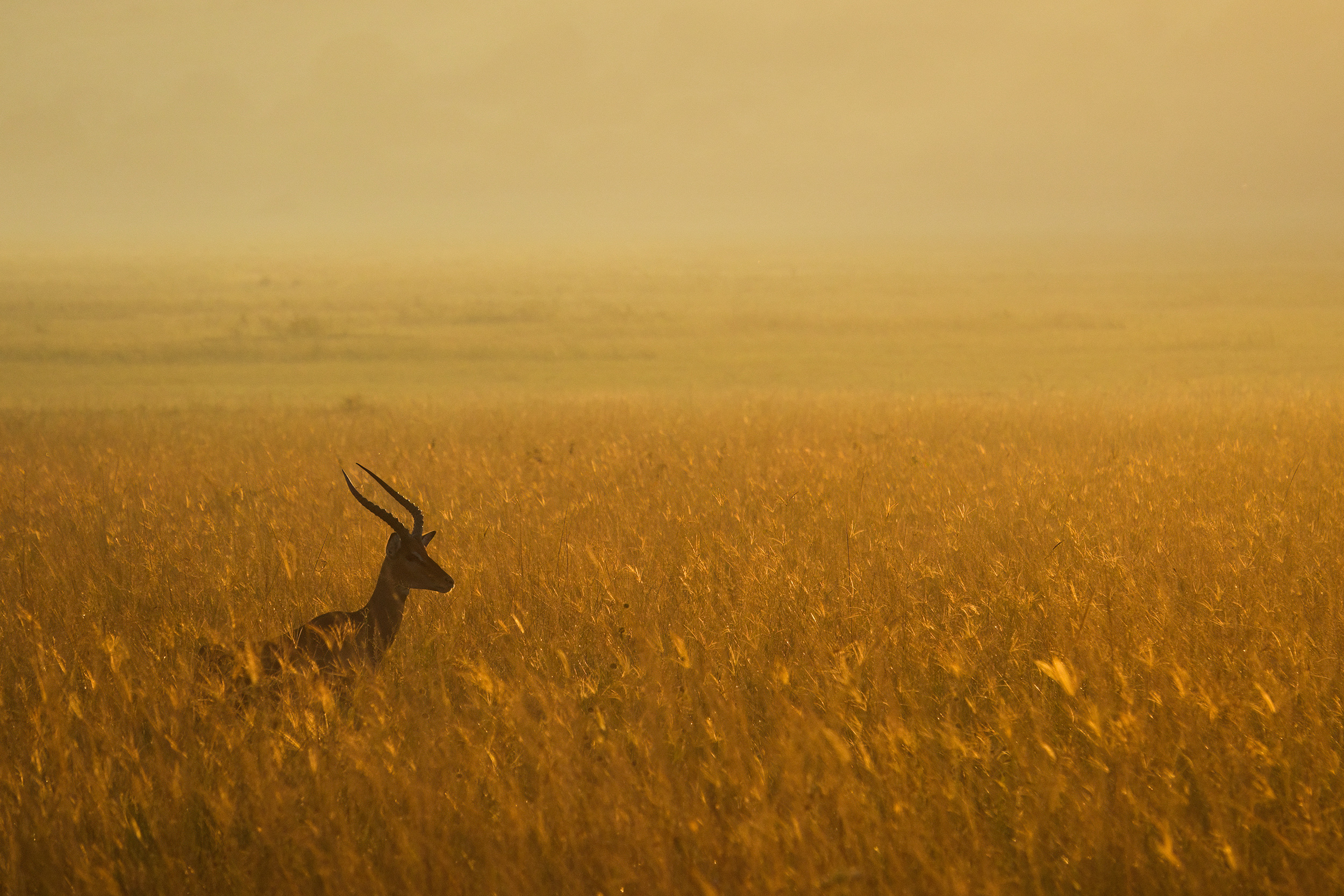 © Alexandra Surkova | Sony RX10 V | 1/1000s @ f/5.6, ISO 500
No lens changes. No dust entering the sensor. No missed moments. Just a seamless, instant transition from landscape to wildlife, from context to detail.
On safari, where every game drive can produce dozens of completely different subjects within minutes, that kind of flexibility stops being a convenience and starts being essential.
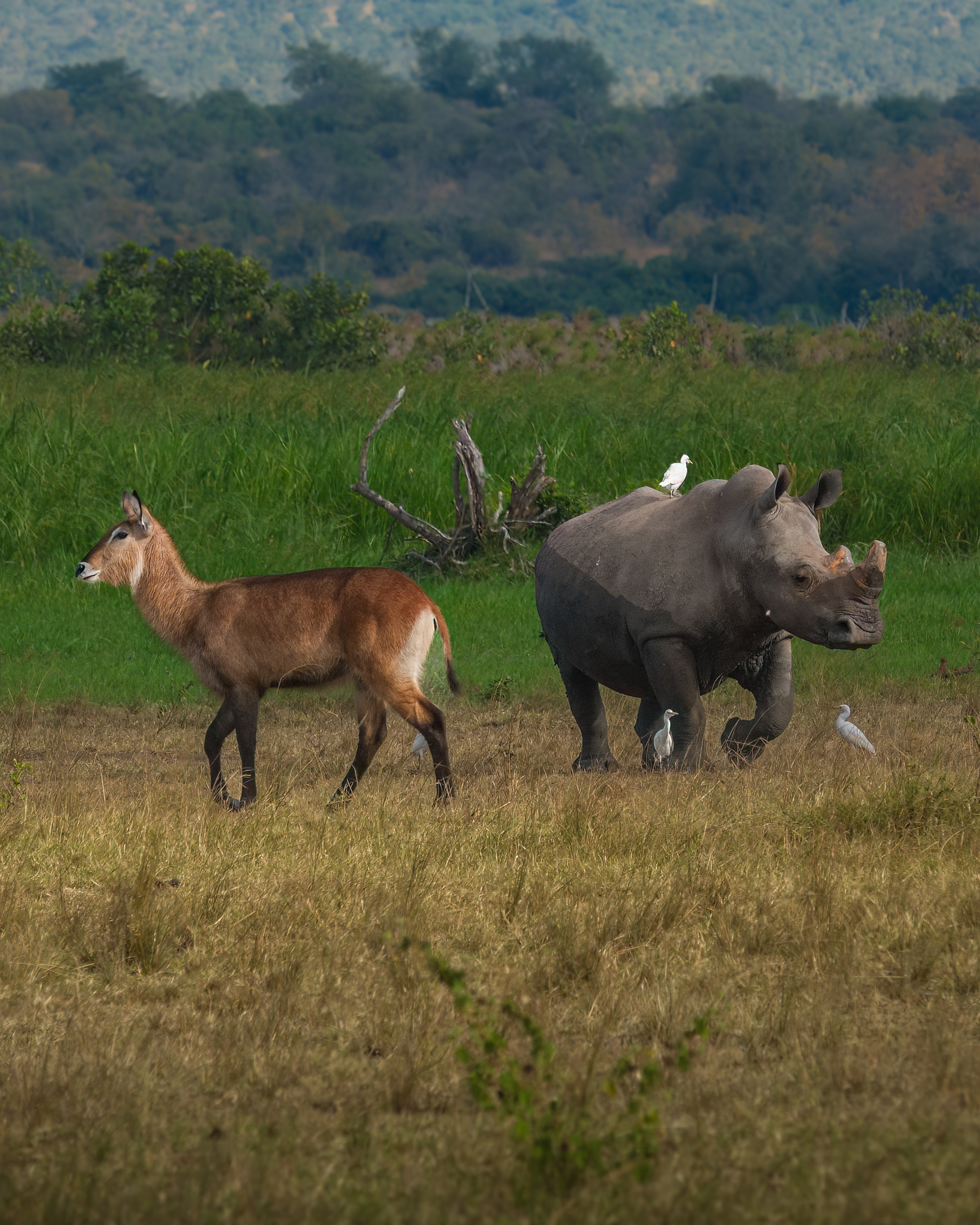 © Alexandra Surkova | Sony RX10 V | 1/1000s @ f/4.0, ISO 250
The Alpha DNA Makes a Real Difference
The RX10 series has always been known for its versatility. What feels genuinely different with the RX10 V is how deeply Sony's Alpha technology has been integrated into the camera.
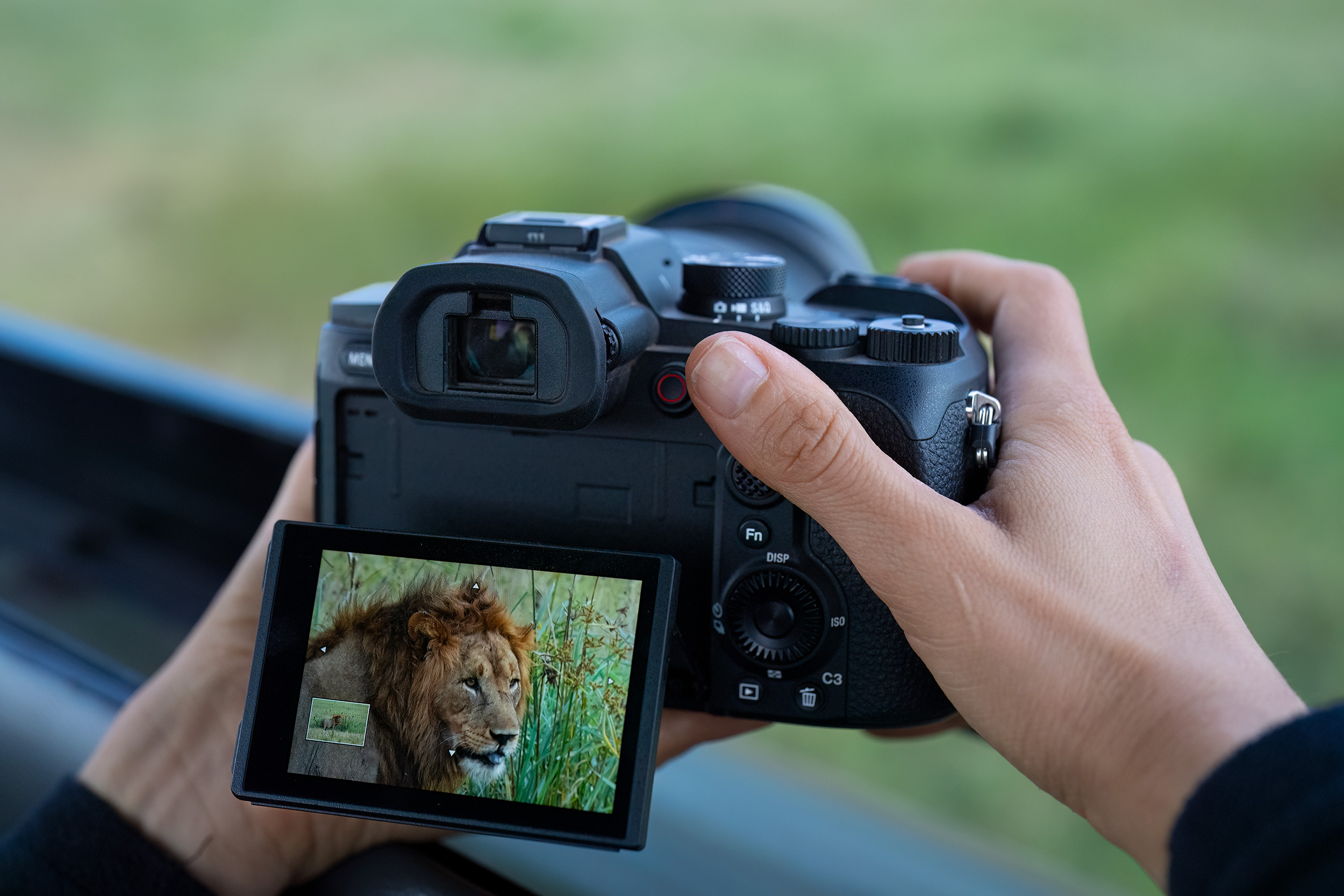
The new AI Processing Unit brings subject recognition and tracking that will feel immediately familiar to photographers who already use Alpha bodies. Throughout my time in Rwanda, I found myself thinking less about autofocus and more about behaviour - watching how animals moved, anticipating the next moment, staying present.
That is perhaps the highest compliment I can give any camera system. When technology works well, it disappears.
 © Alexandra Surkova
Capturing What You Can't Plan For
Some of the best wildlife images happen in the space of a fraction of a second.
A baboon landing unexpectedly on the hood of the safari vehicle. A hippo crossing the road out of nowhere, unhurried and indifferent. A bird appearing to hold a conversation with a giraffe.
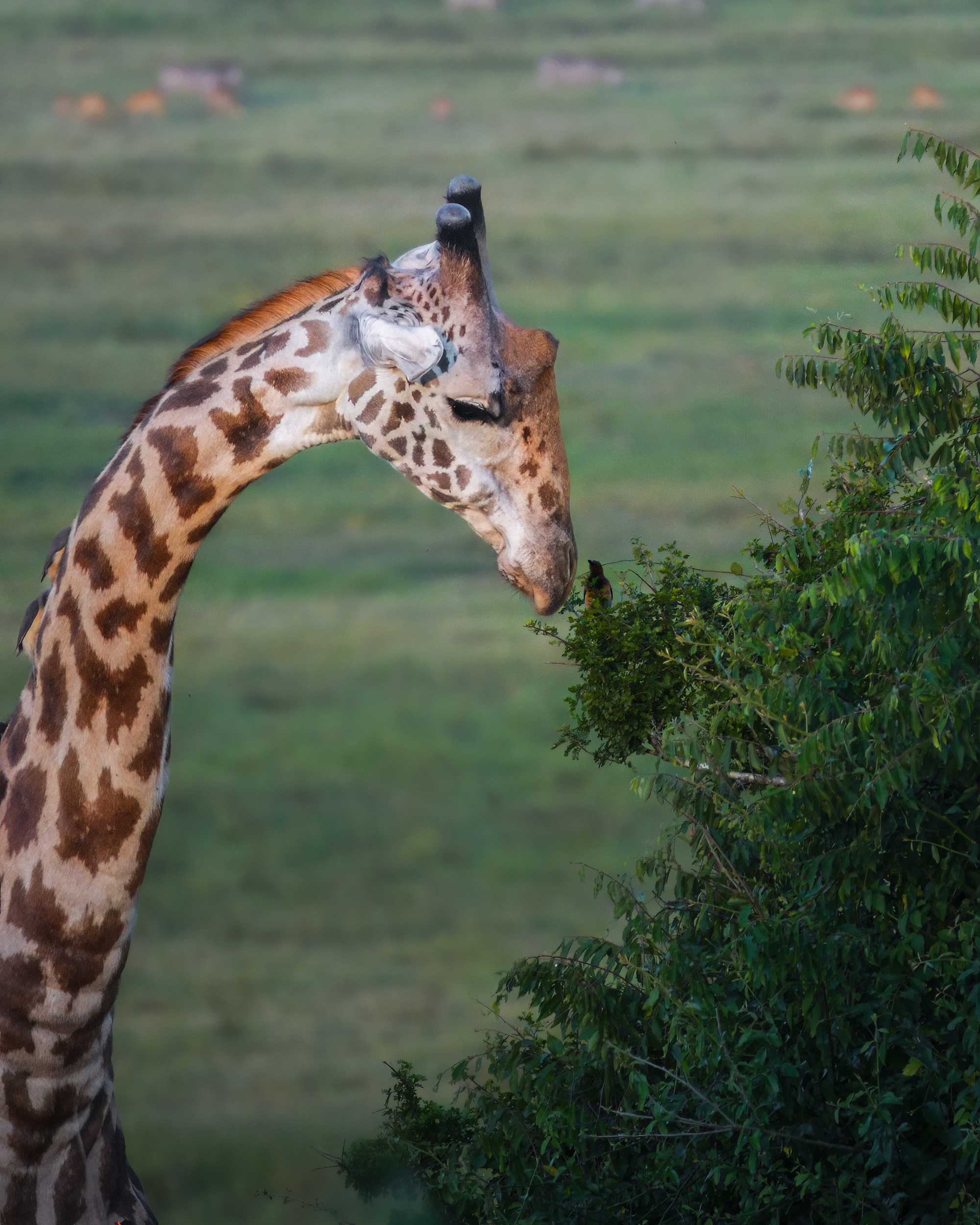 © Alexandra Surkova | Sony RX10 V | 1/640s @ f/4.0, ISO 1600
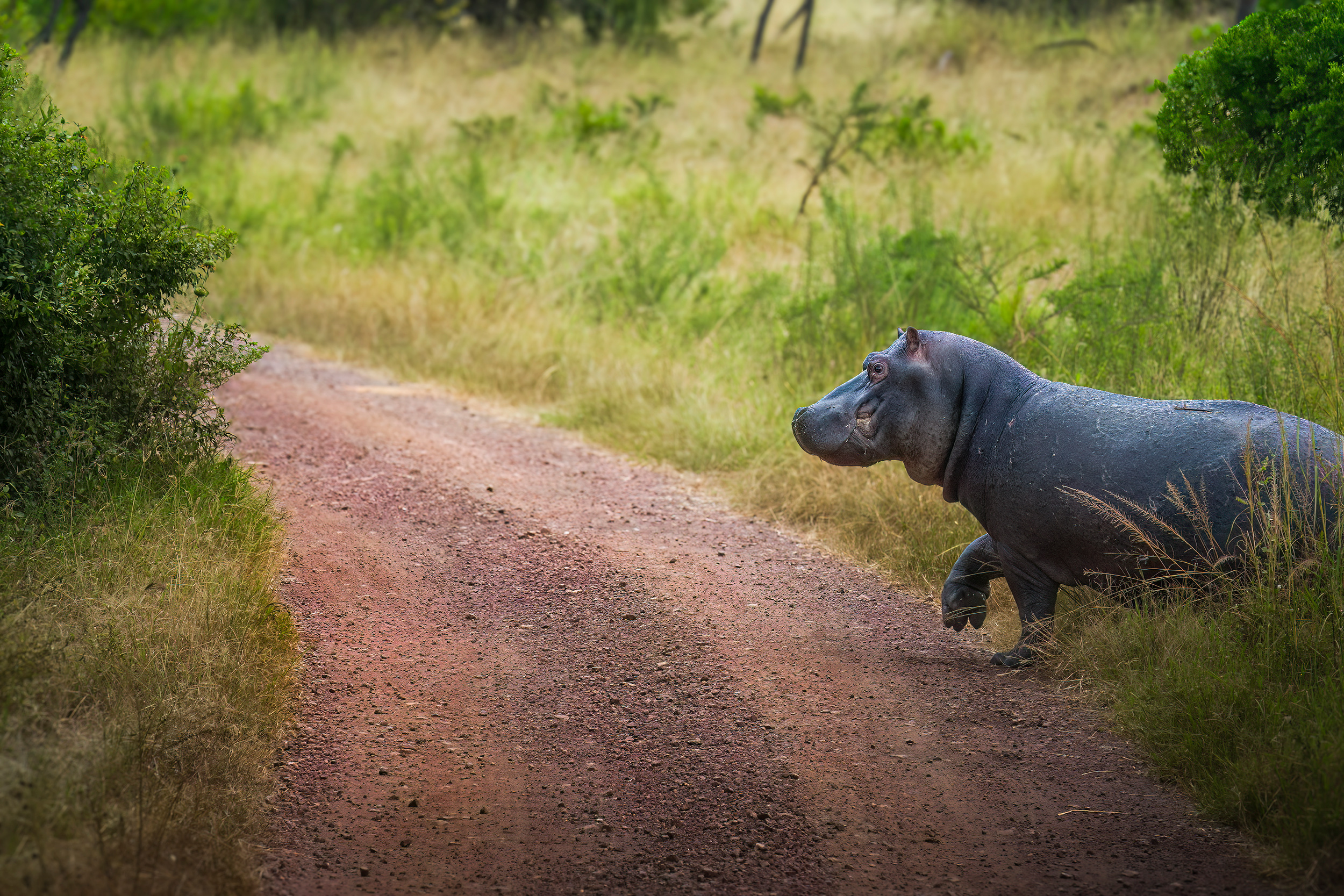 © Alexandra Surkova | Sony RX10 V | 1/800s @ f/4.0, ISO 500
The RX10 V's ability to shoot at up to 30 frames per second with blackout-free continuous shooting means you stop worrying about whether you caught the critical instant. You can focus entirely on following the action and reading the animal in front of you.
Combined with the camera's advanced tracking system, the shooting experience feels significantly faster and more responsive than most photographers would expect from a bridge camera.
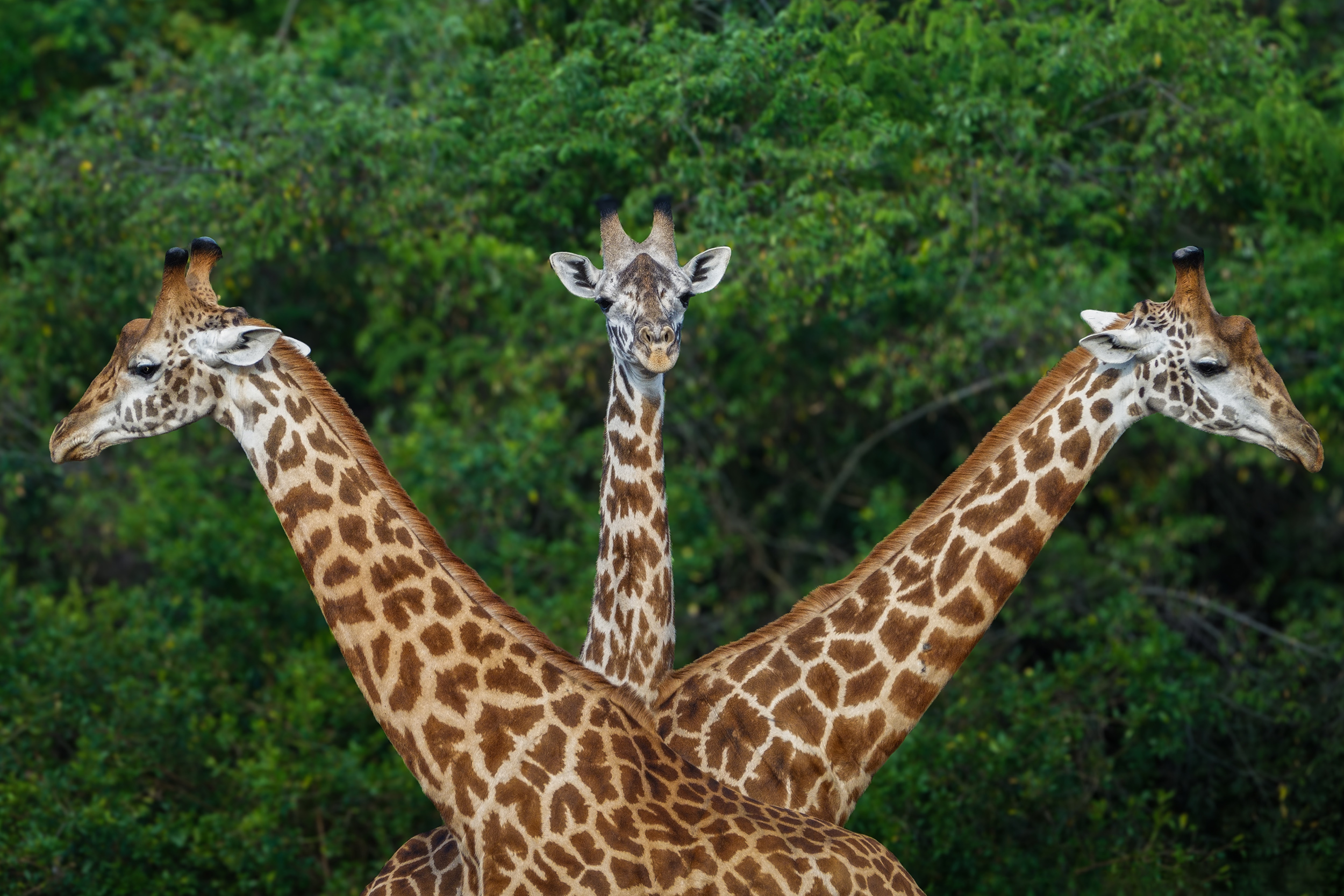 © Alexandra Surkova | Sony RX10 V | 1/640s @ f/4.0, ISO 250
A Camera That Encourages Discovery
As professionals, we often become accustomed to working with large systems and specialised equipment. But many people discover wildlife photography for the first time through cameras like this. And that matters.
For many photographers, the biggest limitation is not creativity. It is access.
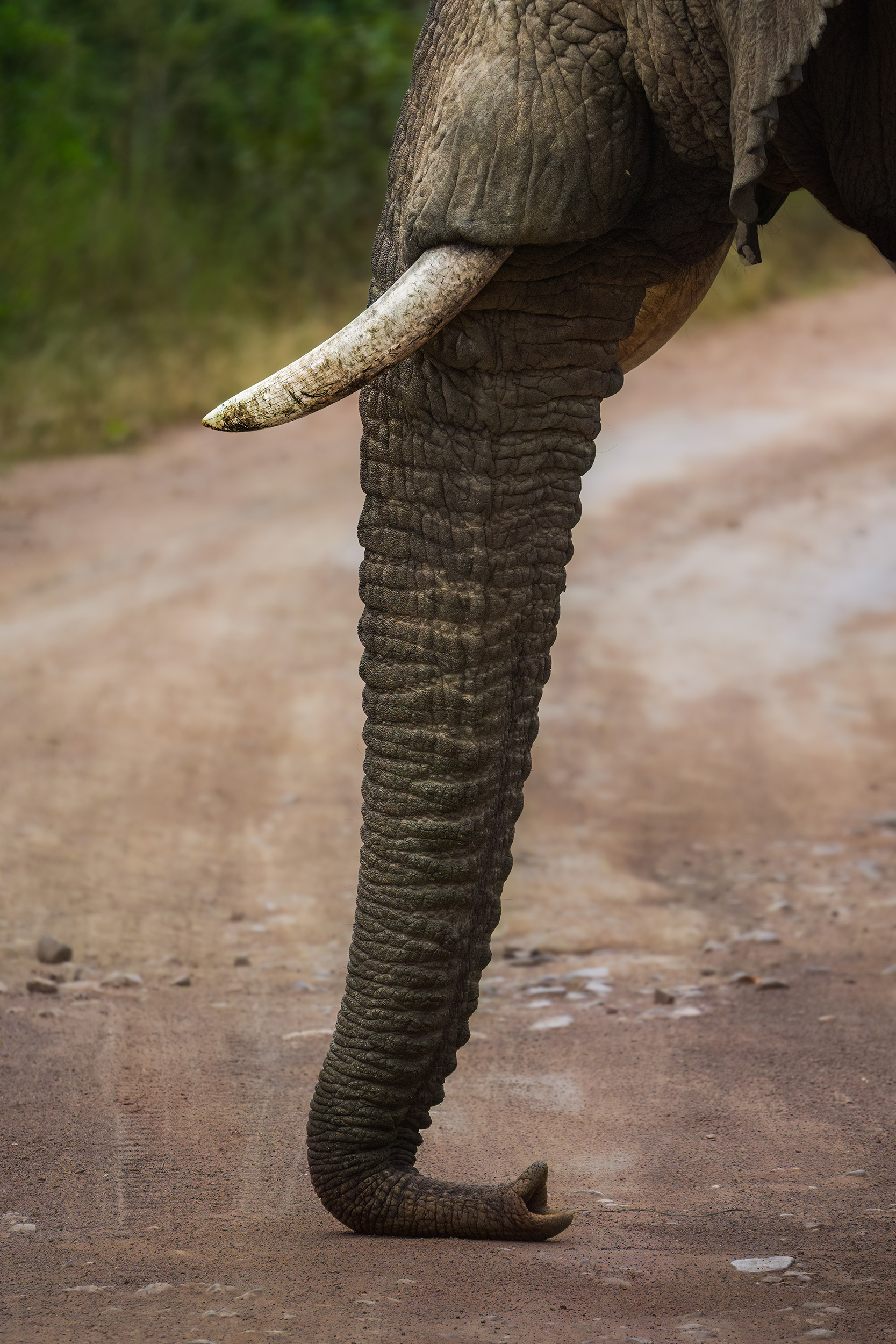 © Alexandra Surkova | Sony RX10 V | 1/1000s @ f/4.0, ISO 500
The RX10 V removes many of the barriers that can make wildlife photography feel intimidating. You don't need multiple lenses. You don't need to constantly think about changing equipment. You don't need years of technical experience before heading into the field.
Instead, you can focus on what truly matters: observing, exploring and connecting with nature.
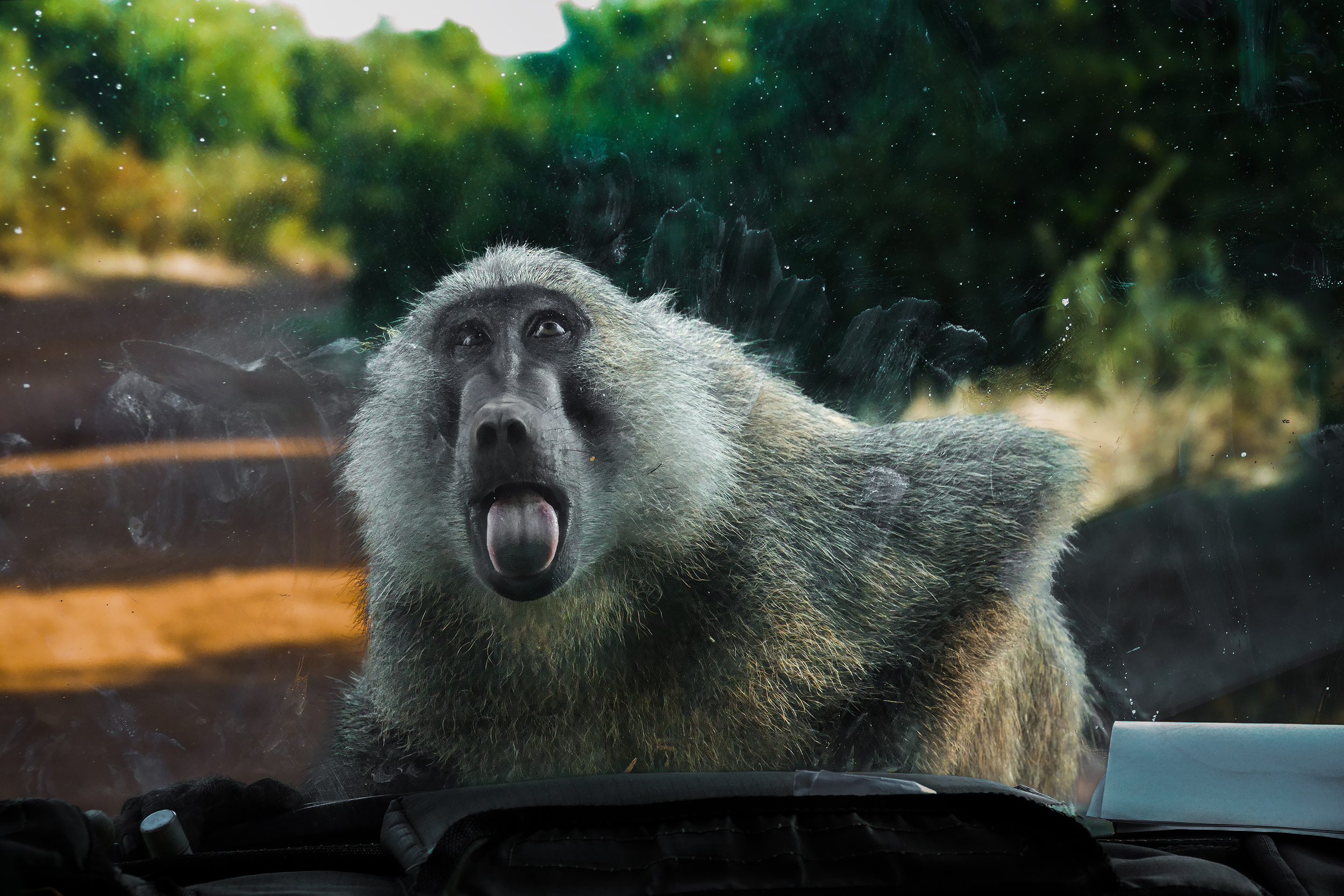 © Alexandra Surkova | Sony RX10 V | 1/1000s @ f/4.0, ISO 2000
This is not a camera that tries to imitate a professional wildlife system. It is a camera that solves a different problem. It offers an extraordinary combination of reach, portability, speed and simplicity in a single package.
For travellers, wildlife enthusiasts, and photographers who want to be present for the experience rather than consumed by the gear, the RX10 V offers something rare.
The freedom to just shoot.


