
Precision in the Wild
Lisa Sihlberg
From the moment I unboxed the Sony FE 100-400mm f/4.5 GM OSS, I was immediately struck by its sleek, professional design and surprisingly lightweight build. The lens felt comfortable and well-balanced in my hands, which only heightened my anticipation to see how it would perform in the field, especially when photographing birds in action and other wildlife.
Travelling through such remote areas, where profound silence reigns, is a rare luxury in our frantic world. To me, wildlife photography is about disconnection and when I'm immersed in nature, everything else starts to slow down.
As a wildlife photographer, I am always on the lookout for those rare, fleeting moments that truly capture the essence of nature. These are the split seconds that tell a story, reveal a behaviour, or showcase the beauty of a species in its natural environment. Capturing these moments is often a matter of being prepared and having complete trust in my equipment. With the FE 100-400mm f/4.5 GM OSS paired with my Sony Alpha 1, I felt confident that I was ready for whatever the Swedish spring had in store.
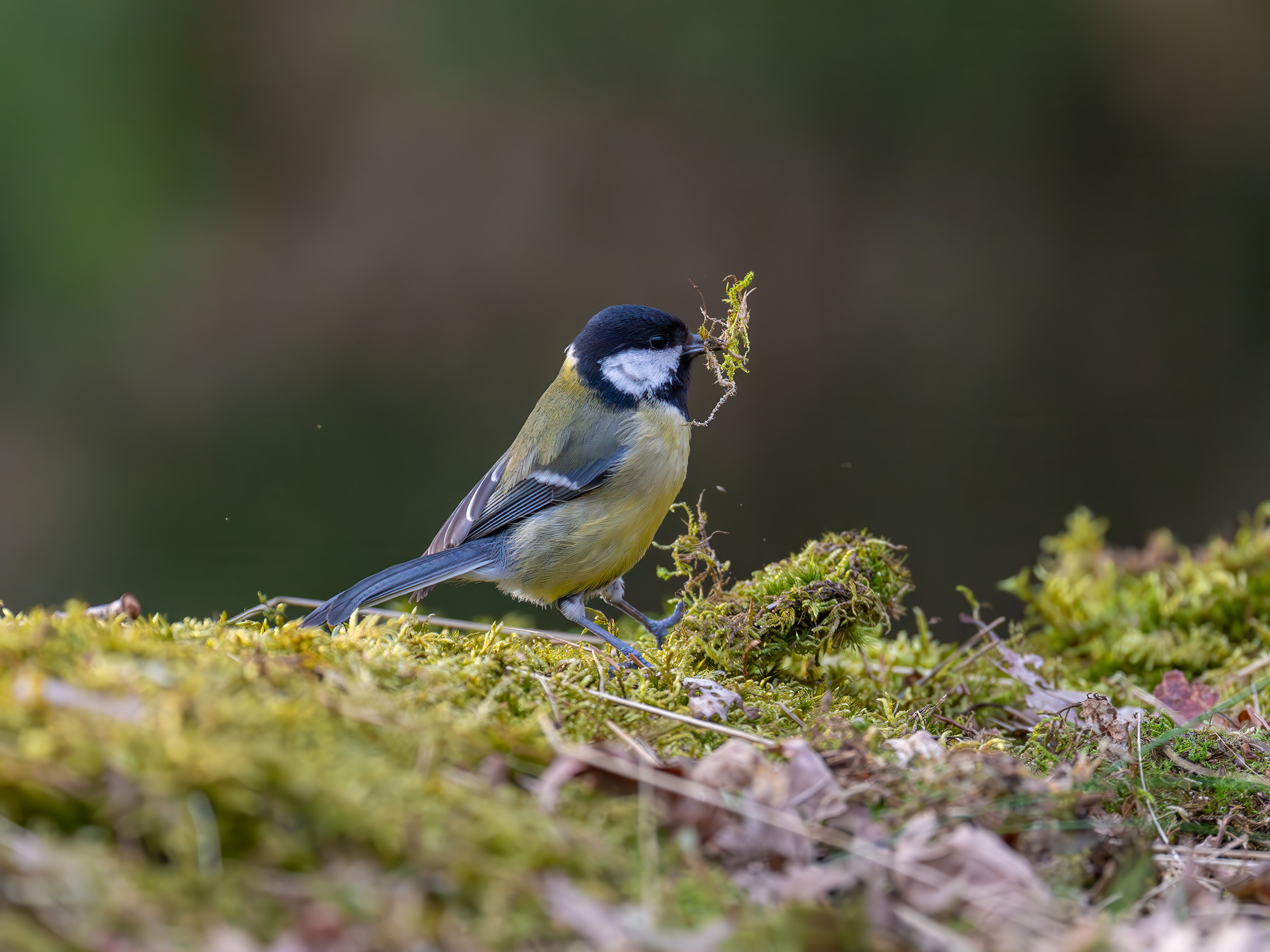 © Lisa Sihlberg | Sony α1 + FE 100-400mm f/4.5 GM OSS | 1/1250s @ f/4.5, ISO 2000
I dedicated a full week to putting this lens through its paces, focusing on documenting the busy lives of birds as they built nests and started families along the Swedish west coast. Setting out in the early, crisp morning hours not only gave me the privacy I needed but also allowed me to photograph birds in the gentle, flattering light that is so important for wildlife imagery. To minimise disturbance, I shot primarily at 350-400mm, and I was genuinely impressed by the lens’s edge-to-edge sharpness, even when shooting handheld. The clarity and detail in each image were remarkable, allowing me to capture intricate feather patterns and subtle expressions.
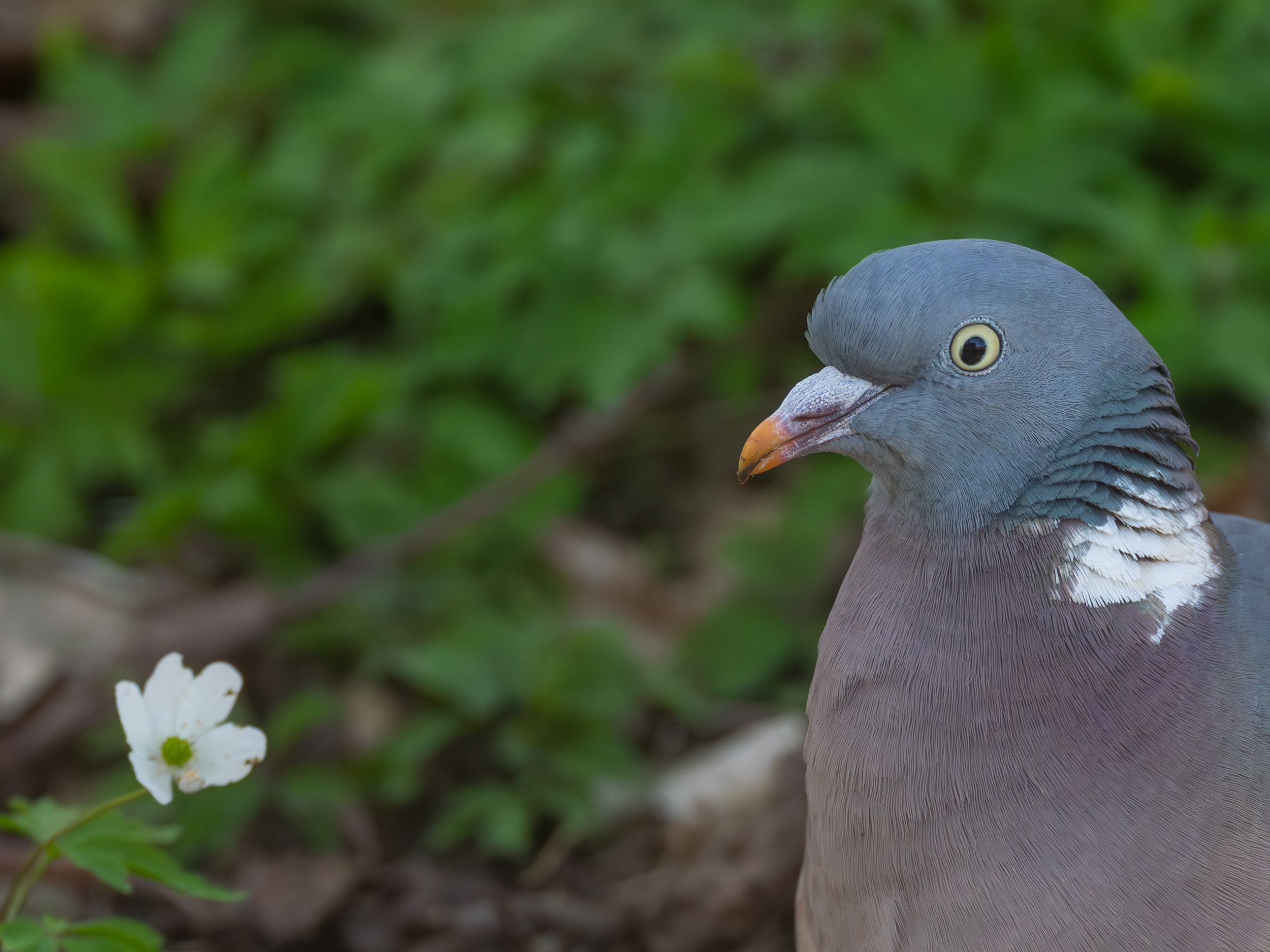 © Lisa Sihlberg | Sony α1 + FE 100-400mm f/4.5 GM OSS | 1/1250s @ f/4.5, ISO 640
One of the standout features of the FE 100-400mm f/4.5 GM OSS is its fast and reliable autofocus tracking. With three customisable tracking modes, I was able to adapt quickly to different scenarios, whether it was a small bird darting among branches or a flock of geese flying swiftly across the sky. The autofocus locked onto subjects with impressive speed and accuracy, even in challenging environments with dense foliage or rapidly changing light. I recall one particular morning when I managed to track and photograph a group of geese in flight at 400mm. The autofocus remained locked on their eyes, following their movement seamlessly across the bright sky—a task where many other lenses might struggle.
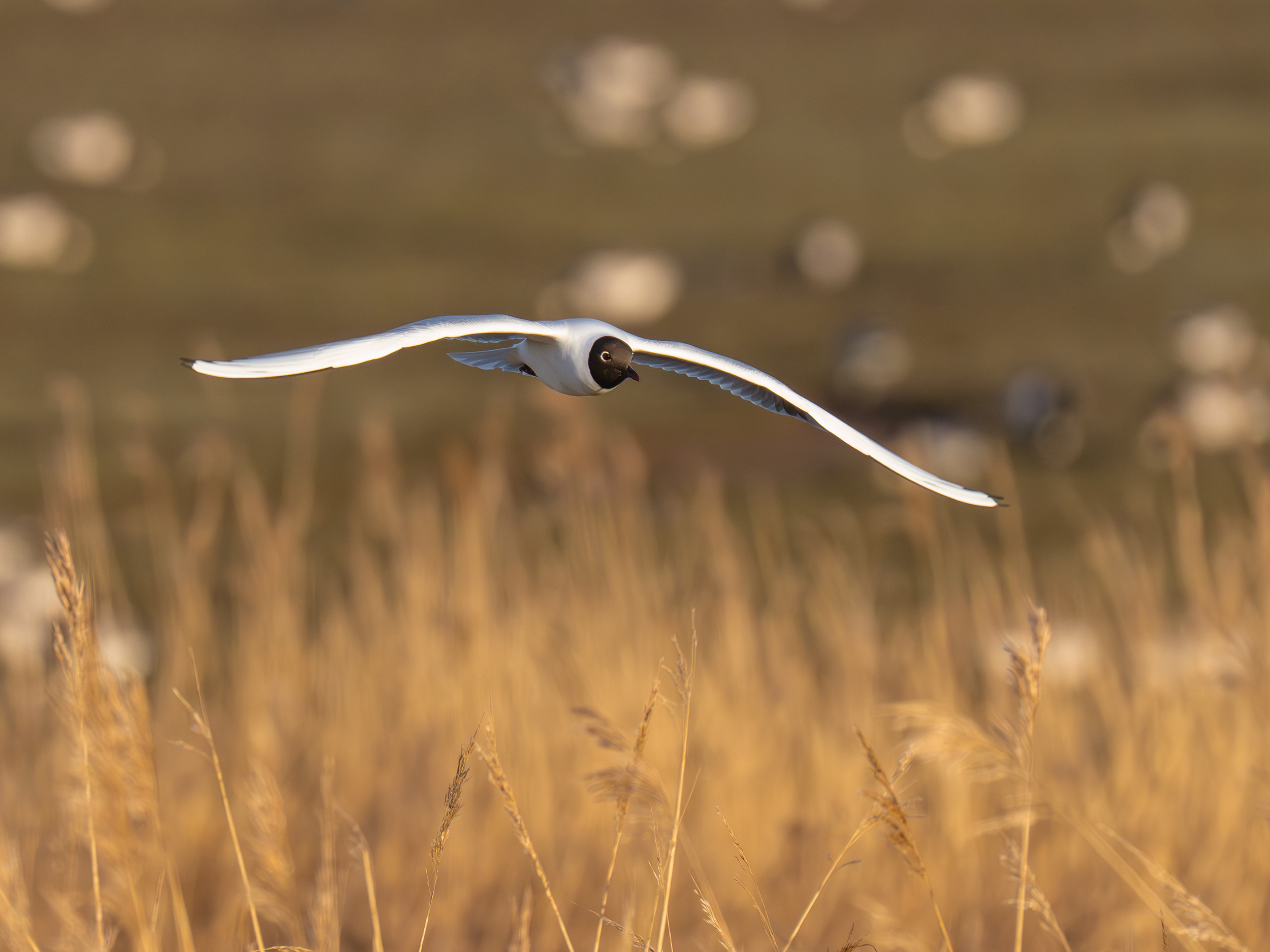 © Lisa Sihlberg | Sony α1 + FE 100-400mm f/4.5 GM OSS + 2x Teleconverter | 1/2000s @ f/9.30, ISO 640
The lens’s lightweight construction and internal zoom mechanism made it especially practical for photographing birds in flight. The constant f/4.5 aperture provided consistent exposure and pleasing background separation, even in the damp, low-light conditions just before sunrise. I also appreciated the internal filter slot, which made it easy to adapt to reflective environments like lakes or oceans without the hassle of removing the lens cap and attaching filters to the front element. This feature proved invaluable during cold or challenging shoots, streamlining my workflow and allowing me to focus on capturing the moment.
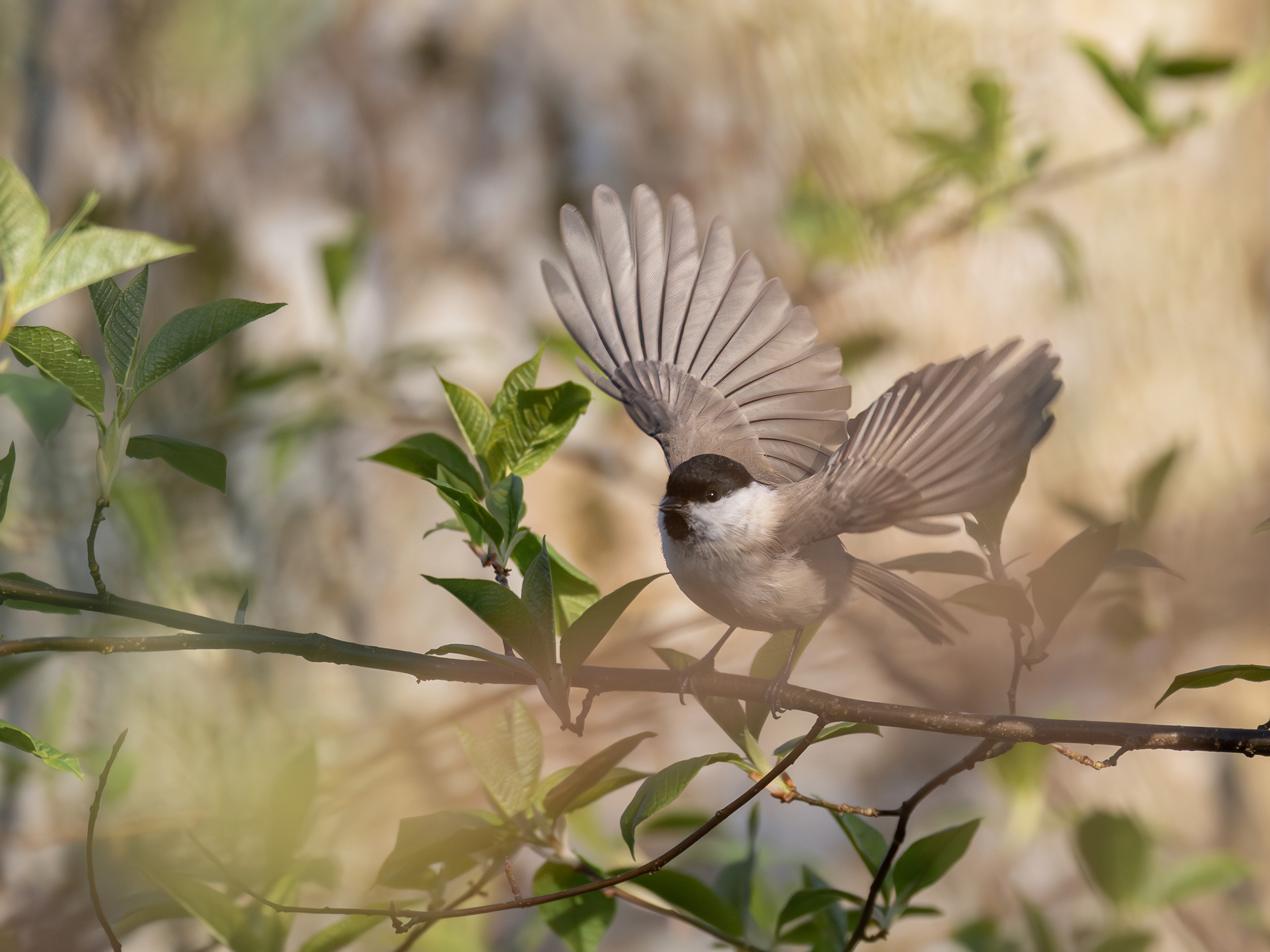 © Lisa Sihlberg | Sony α1 + FE 100-400mm f/4.5 GM OSS | 1/3200s @ f/4.5, ISO 1000
For more distant or elusive subjects, I experimented with both the 1.4x and 2x teleconverters. The results were impressive, whether I was shooting portraits or action sequences. Eye autofocus and fast tracking remained highly effective, even with the teleconverters attached. The 2x teleconverter produced beautiful bokeh in close-up portraits, and while there was a slight loss of light, it was easily manageable in the soft, early morning light. This flexibility allowed me to capture a wider range of subjects without sacrificing image quality or responsiveness.
 © Lisa Sihlberg | Sony α1 + FE 100-400mm f/4.5 GM OSS | 1/1250s @ f/5.6, ISO 640
What stood out most to me was the lens’s ability to deliver clear, sharp images with minimal distortion or chromatic aberration, even at the full 400mm zoom. For someone who strives to get as close as possible to wildlife without disturbing their natural behaviour, reliable performance at maximum focal length is essential—and this lens delivered every time. The image quality gave me the confidence to push creative boundaries and experiment with different compositions and perspectives.
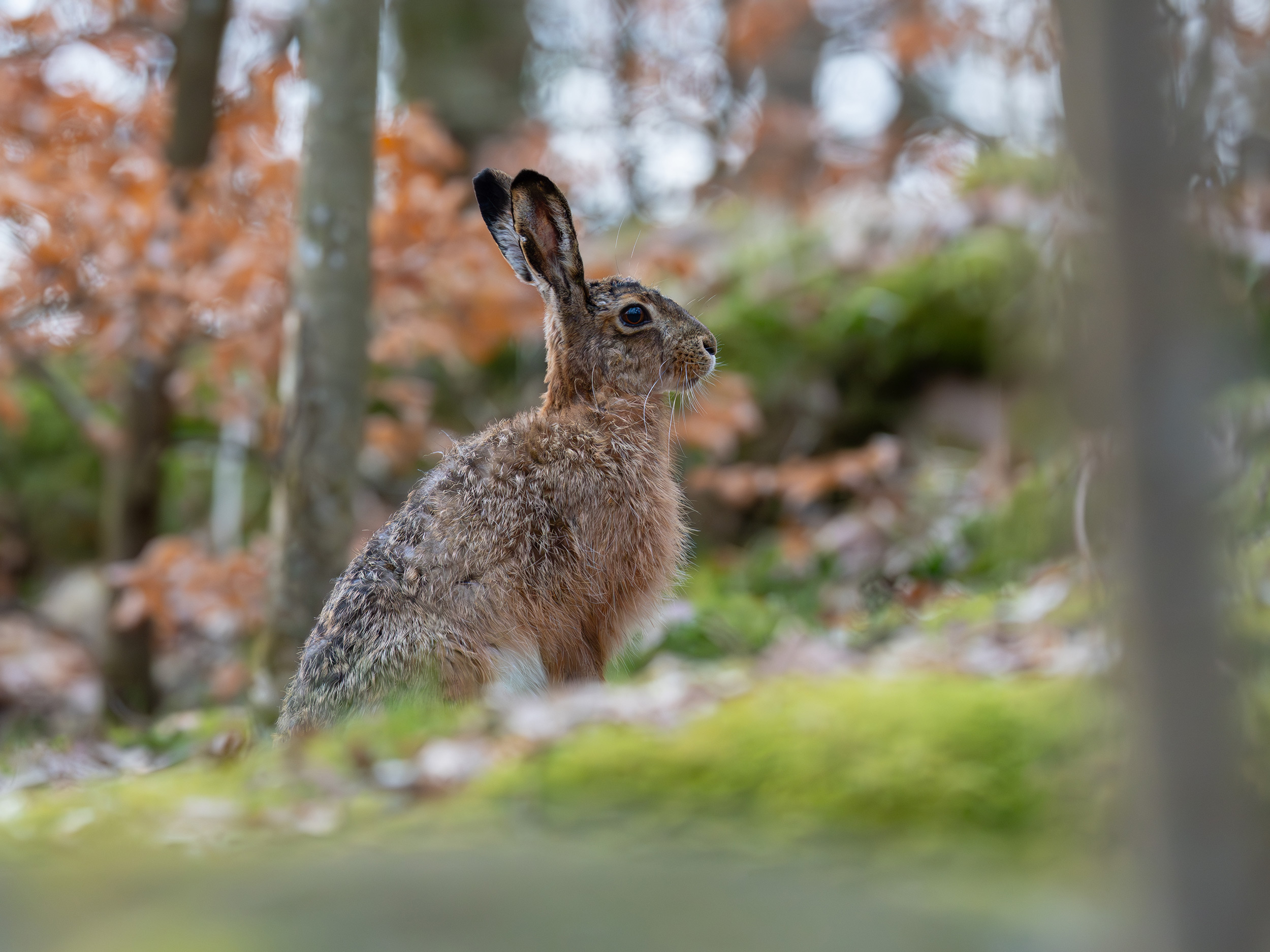 © Lisa Sihlberg | Sony α1 + FE 100-400mm f/4.5 GM OSS | 1/1250s @ f/4.5, ISO 1000
Although I usually bring a tripod, I often prefer shooting handheld for the freedom to move quickly and adjust my position or angle as needed. This flexibility is crucial when following unpredictable wildlife, and the combination of my Sony Alpha 1 and the FE 100-400mm f/4.5 GM OSS offered a seamless shooting experience. I never felt weighed down or fatigued, and I was always ready to capture spontaneous moments as they unfolded.
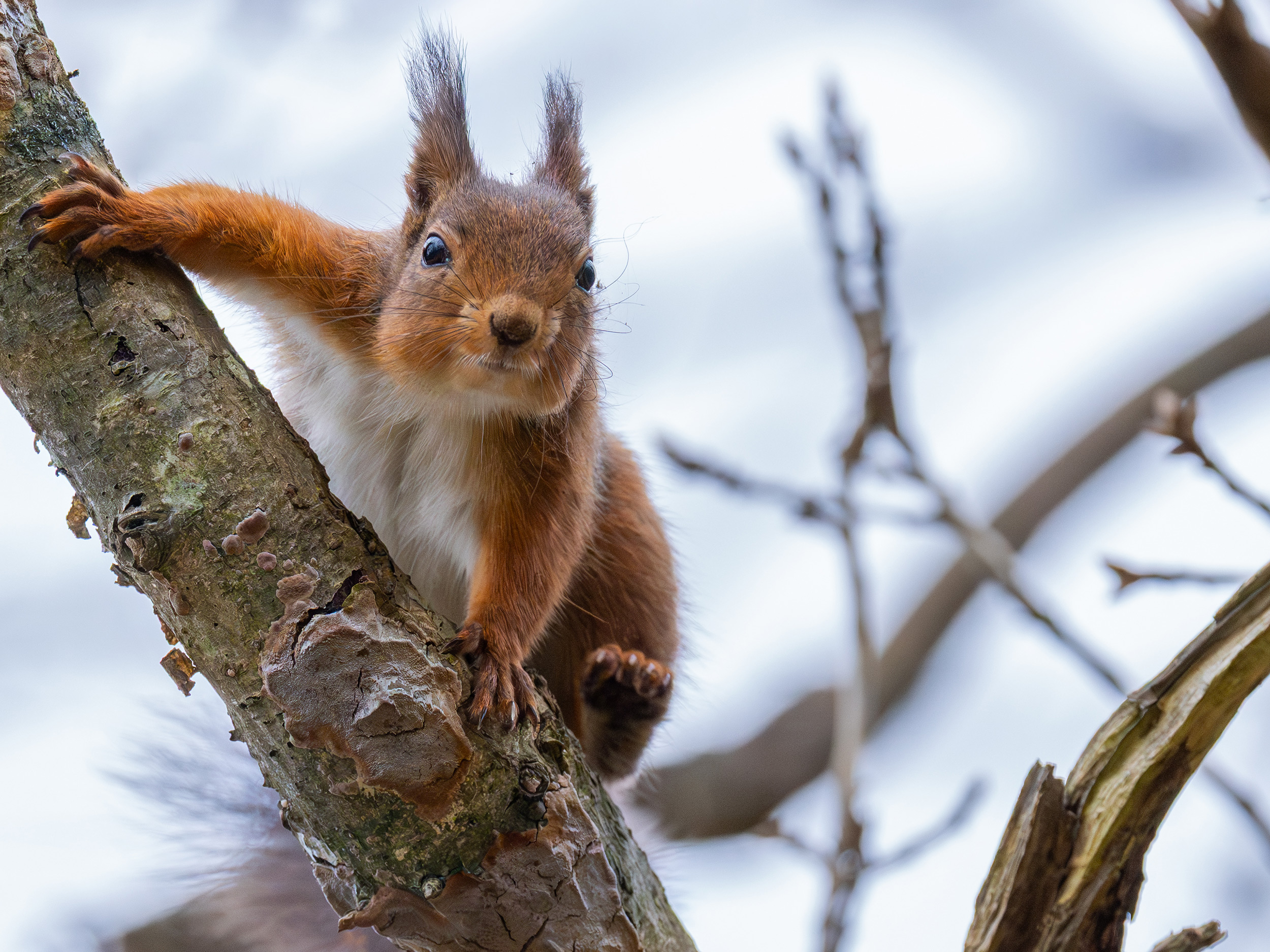 © Lisa Sihlberg | Sony α1 + FE 100-400mm f/4.5 GM OSS | 1/1600s @ f/4.5, ISO 4000
Typically, my go-to lenses for wildlife photography are the Sony FE 200-600mm f/5.6-6.3 G OSS and the FE 70-200mm f/2.8 GM OSS II. However, after my experience with the FE 100-400mm f/4.5 GM OSS, I am confident that this lens - either on its own or paired with a 2x teleconverter - can meet all my needs for high-quality, reliable shots on future expeditions. Its versatility, portability, and outstanding image quality make it a valuable addition to my kit, and I look forward to seeing what new moments I can capture with it in the wild.
Featured products


Lisa Sihlberg | Sweden
As a photographer, filmmaker, climate storyteller and public speaker, Lisa tells stories to make the climate change understandable and to inspire us to take care of our nature.


