
Rally Championship Action
Afonso Silva
The Rallye Automobile Monte-Carlo has been raced 93 times since 1911. And in 2025, as the race kicked off the World Rally Championship, videographer Afonso Silva was waiting, ready to film the action with a Sony FX30.
As a photographer and videographer, Silva has captured the drama of numerous rally stages and championship events during his career.
“My work is split between action shots of the stages and filming drivers, before and after they get behind the wheel,” says Silva. “I’d used the Sony Alpha 7 IV for video in the past, and I was impressed. So I was keen to see what a video-focused camera like the FX30 could do.”
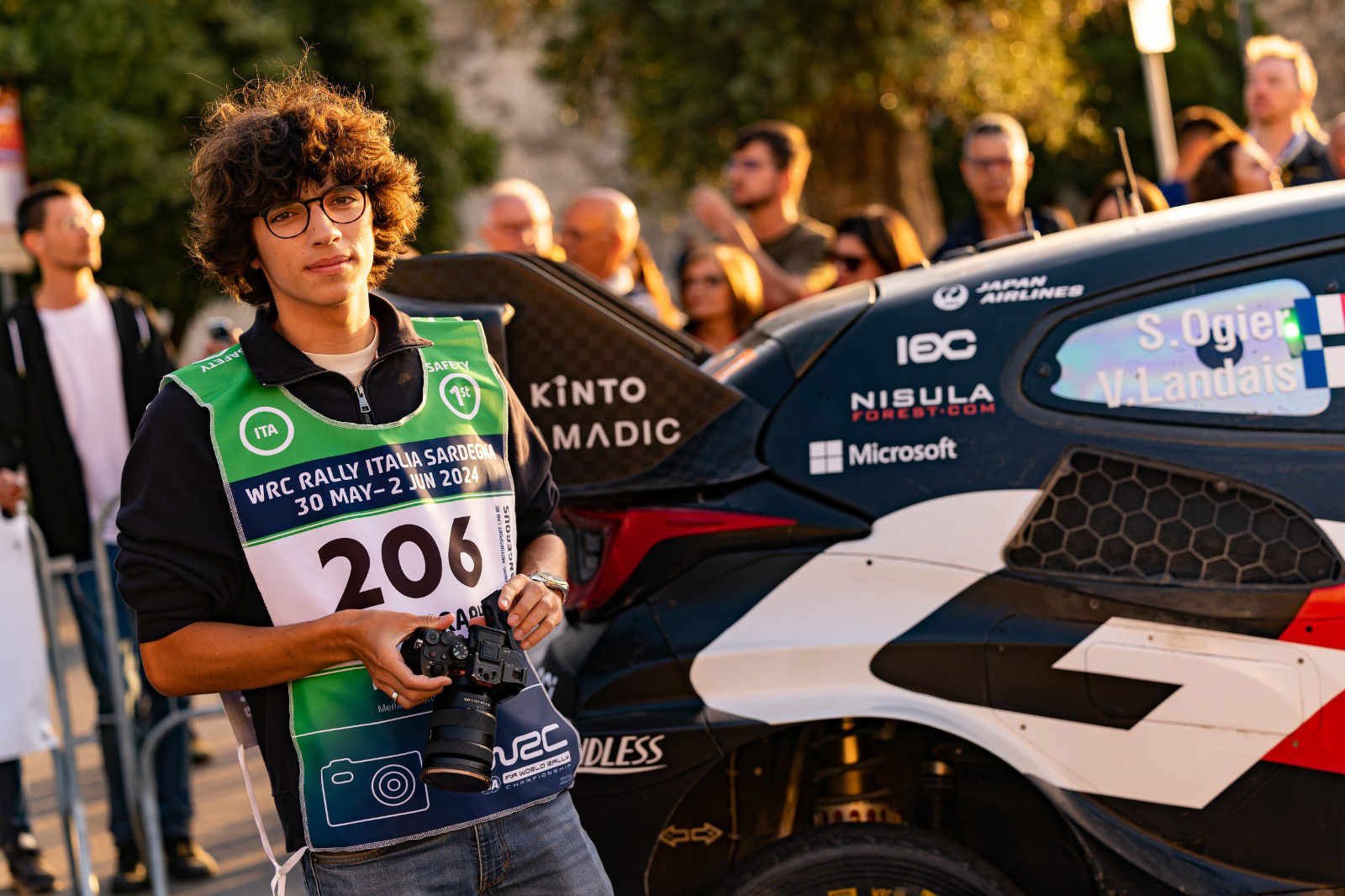
Beginning his career in Porto, at the Instituto Português de Fotografia (Portuguese Institute of Photography), Silva was drawn to night shots: capturing streetlights illuminating his subjects and posting them to social media. This pulled him into the world of social media videography, and he began working with creative agency @World, shooting the Portuguese Rally Championship and Team Hyundai Portugal in particular.
Fast forward just a few years, and Silva is tasked with creating content for a steady stream of events, trying to capture the ambience of a race day, as well as footage of the races themselves. Knowing that every event is a little different, he tested what the FX30 could do across three rallies: Rali Ceredigion and Rally Silesia, for the 2024 European Rally Championship, and then the Rallye Automobile Monte Carlo that began the 2025 World Rally Championship.
“In the excitement and chaos of rally racing, flexibility is one of my top priorities, so I really wanted to see how the FX30 could help me stay nimble and adaptable,” says Silva. “Honestly, it felt like flexibility was built into every feature.”

Flexible lenses and powerful autofocus
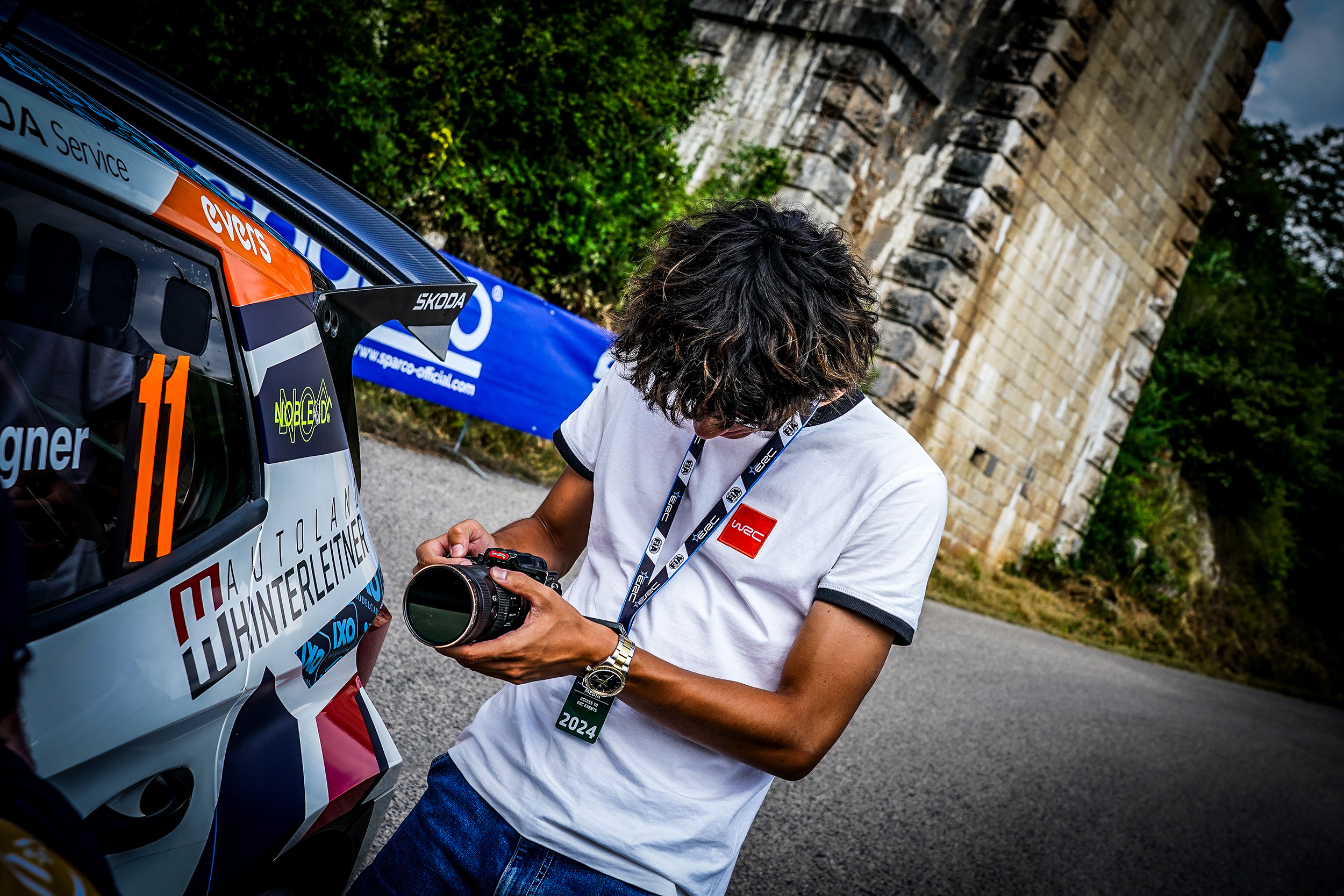
Using a selection of Sony G Master II lenses, Silva found that his needs were easily catered for. A 16-35mm provided wide shots that captured the ambience of the service park, while a 70-200mm was perfect for picking out details during stages, like the spark of a car hitting the ground—or dirt being flung up by the wheels. The E-mount system made it easy to quickly change between the two, while the autofocus helped him to get pin-sharp images on the move.
“The autofocus does a tremendous job—it just never misses,” says Silva. “I’d switch from one subject to another and know it would be crystal clear and sharply focused every time. And although many people prefer full-frame cameras, I found that the crop from the FX30’s APS-C sensor gave a useful boost to my zoom.”
Programmable buttons and easy adjustments
While most of his filming is done in slow motion (100fps), Silva often switches back to 25fps. By programming the Mode 1 and Mode 2 buttons, he could jump between these two frame rates with a single button press.
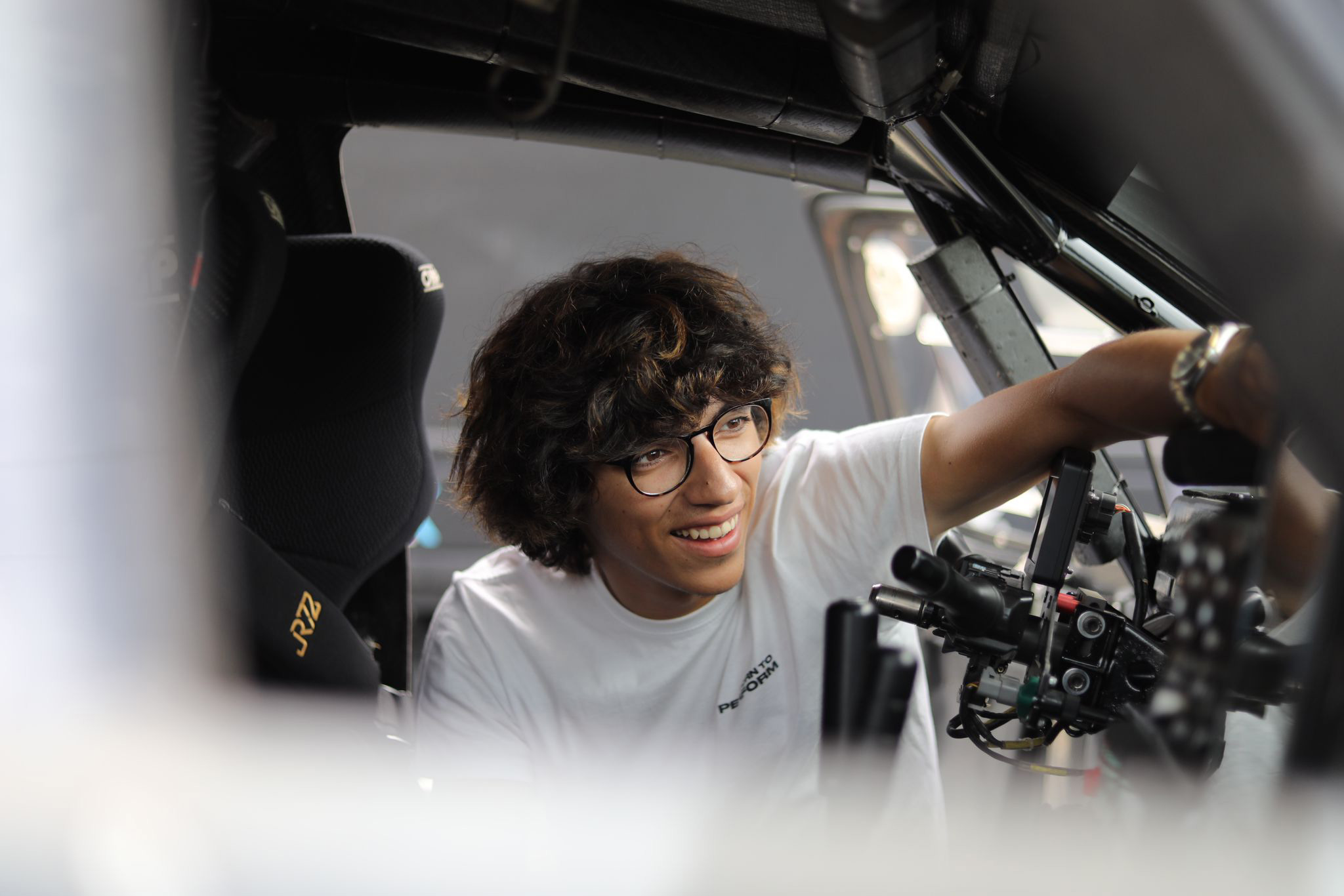
He also found the FX30’s XLR handle brought more benefits than expected: low-angle shots were easier, as he could get the camera closer to the ground while holding it steady. And having gain and frequency dials on top of the camera allowed him to make rapid audio adjustments when drivers were talking, without needing to go into a menu.
Beautiful footage from dual base ISO
The FX30’s dual base ISO made it ideally suited to filming rally stages at any time of day, as Silva was able to work with ISO 800 during the day and then easily switch to ISO 2500 for night shoots.
“Some of my favourite shots were from the night stage of the Monte Carlo rally, and the higher ISO made a huge difference there,” says Silva. “No noise and plenty of detail and drama.”
By filming in 10-bit 4K, using SLog3, Silva also found that he had plenty of detail for re-framing shots in post-production—vital when working with fast-paced subjects. And there was more than enough colour information to fine-tune the look of his final videos, as needed.
“The FX30’s features make it perfect for my line of work, from the autofocus to the programmable buttons and dual base ISO. Everything is designed for flexibility and speed. On top of that, the lightweight and compact design make my life easier, as I drive around a lot during races, and I need to start filming quickly when I arrive. Larger cameras would slow me down and tire me out.”
Based on years of experience, here are Afonso’s tips for filming captivating race content, whichever camera you choose:
- Start with slow-motion
Things happen fast in rally races, and you don’t know when you’ll see something amazing. If you film in slow motion (100fps) rather than 25fps, then you’ll be able to adjust the playback speed in post. Pair this with a fast autofocus and you have the best chance of catching some moments of magic.
- Be careful of where you stand
Never stand on the exit of a corner. Ever. During dirt rallies, you’ll get mud and rocks thrown at you (and your lens). But in all rallies, it’s the point where cars are most likely to come off the track. Stay safe and avoid those corner exits.
- Shoot landscape
If you’re capturing 4K, and filming landscape, you’ll have more than enough resolution for adjustments in post. You’ll be able to create clips with new aspect ratios or move a little to the right or left to perfect your framing. But clients may also want footage for YouTube or TV highlights, making landscape filming essential.
- Don’t be afraid of the drivers
Aside from the race, you’ll be shooting the drivers as they sign autographs, pull on their helmets, walk around the service park, and any number of other activities. Don’t be afraid to get close for those shots—maybe even ask them to do something, if they’re not under time pressure. They’re used to people filming around them and they know you’re just doing your job.
- Manage and organize your files
Turnaround times are often very short, so file management is critical. Every chance you get, offload your files to your computer and label them properly to keep them organised (perhaps by the day of filming and the subject of your shot: ‘Saturday’ and ‘helmet’). Then upload them up to a cloud storage service so your client can access them whenever they need them. Plus you’ll know your files are safely backed up.
- Always bring your filters
Invest in a rotating variable ND filter—ideally one combined with a CPL filter. Light conditions and filming angles will change fast, and you may suddenly need to throw open your aperture. Your ND filter covers you for this, while the CPL filtration will mean you can film through windows and windscreens without issue.


