
Returning to the Earth
Damon Beckford
Travel photographer Damon Beckford has been here before. Literally and figuratively. Standing in the not-so-snow covered Lofoten Islands, he’s surrounded by rocky beauty, but this is not quite the winter wonderland he was expecting. No matter, these beautiful islands are still brimming with opportunity and if it means he needs to visit again, well…
“Travel photography has been my passion for many years, so another trip is no problem,” he laughs. “In fact, it was through wanting to photograph the same places more than once, that I discovered travel was what I loved.” Indeed, after stints at culinary school and national service in the Finnish Army, Damon took his first proper trip with a camera, booking a one-way ticket out to India and Southeast Asia where he backpacked for a solid eight months.
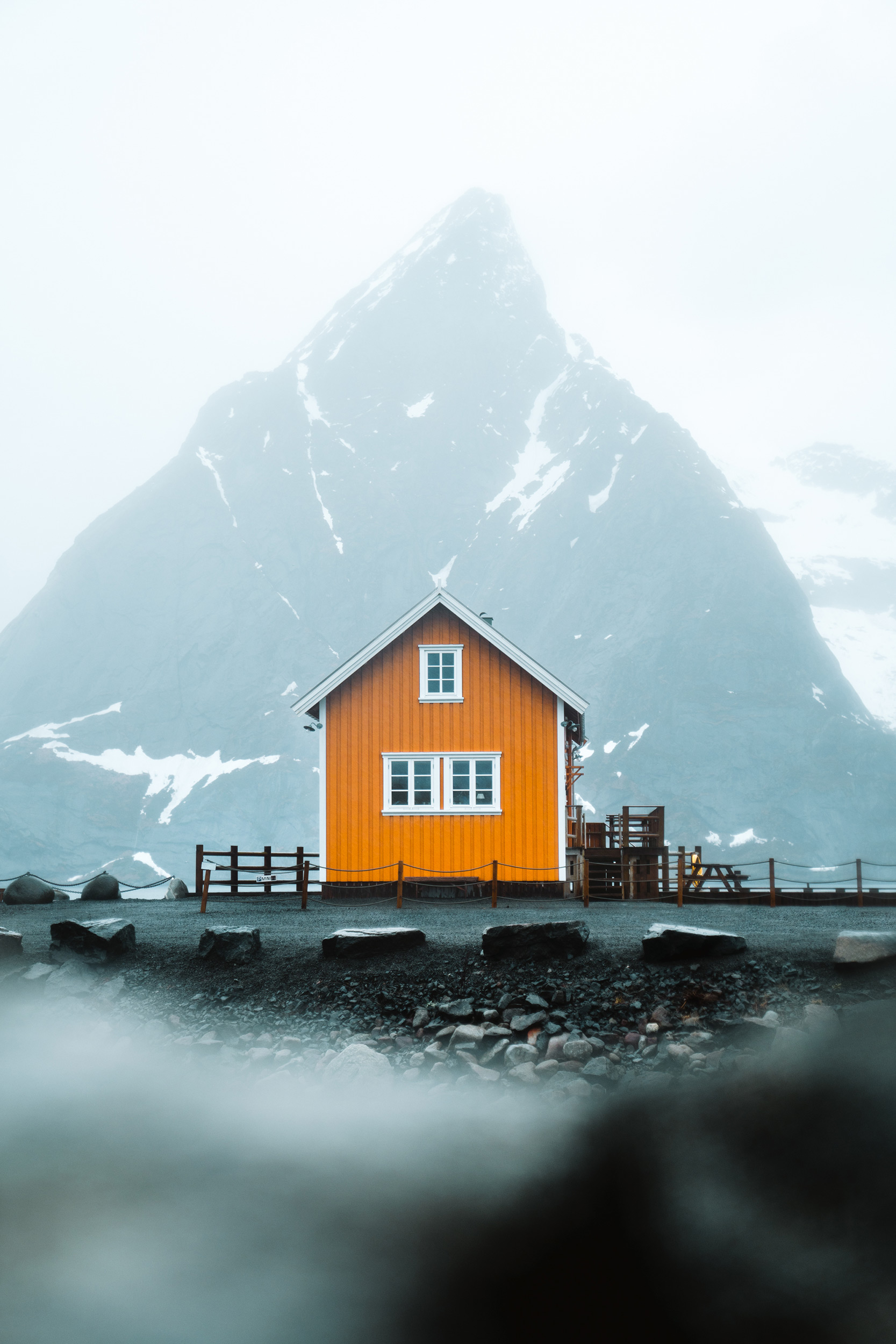 © Damon Beckford | Sony α7 IV + FE 24-70mm f/2.8 GM | 1/160s @ f/2.8, ISO 125
“During that time, I fell in love with photographing the world,” he continues, “both to preserve my own memories, but also to share my experiences. In fact, I was so convinced this was what I wanted to do with my life, that I got back to Finland, worked for another year, bought a better camera, and headed back out to do it all again.”
By Damon’s side on all of his most recent trips has been his Alpha 7 IV. “The new camera is a perfect all rounder,” he says, “which is vital for the mix of images I want to get on my trips.. I’m shooting landscapes, action and documentary images, too. For the former, the 33 megapixel resolution was a nice improvement from the Alpha 7 III and lets me crop further into scenes when needed. The Alpha 7 IV’s low-light performance is also fantastic for my aurora shots, often taken at ISOs like 2000 or 4000.”
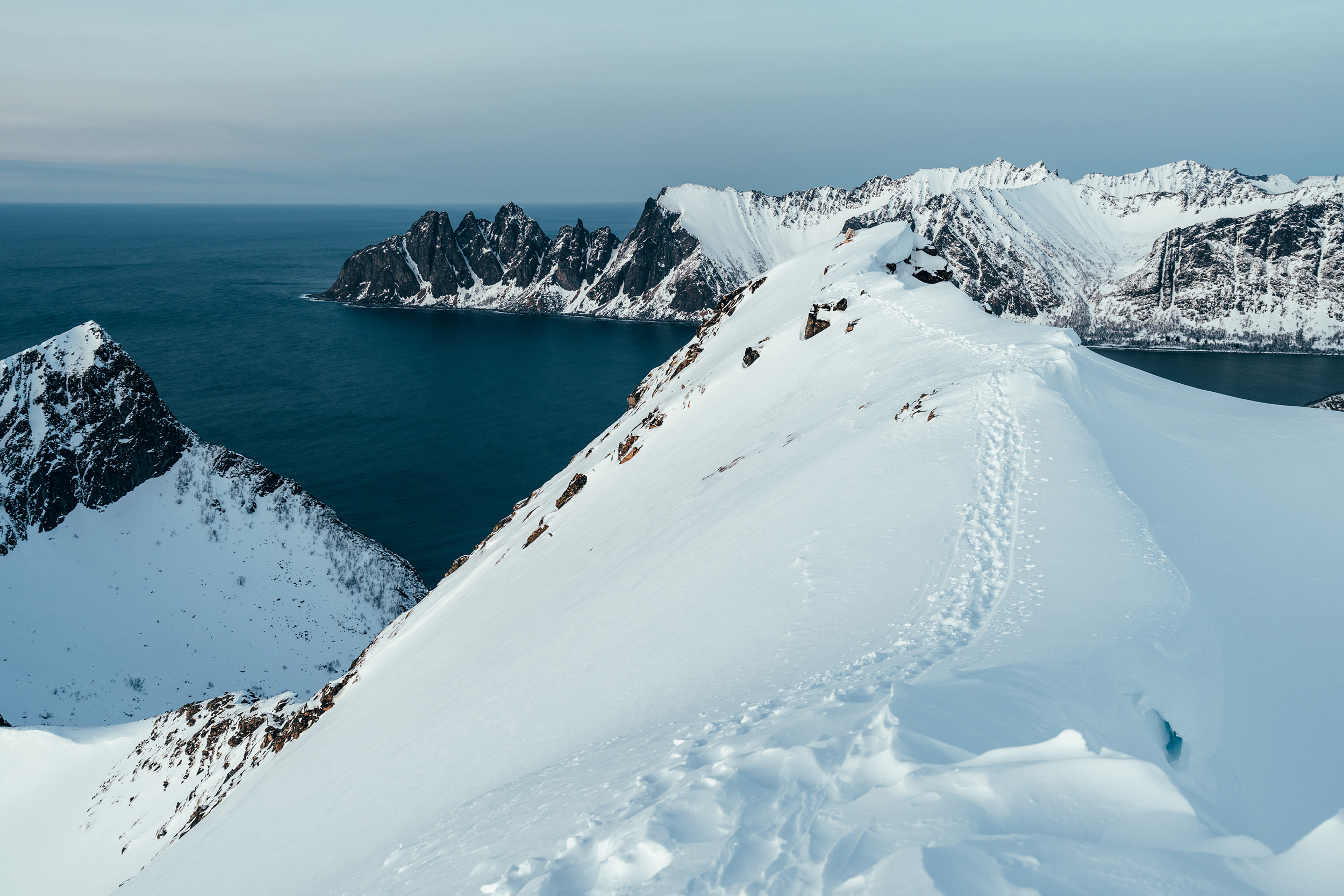 © Damon Beckford | Sony α7 IV + FE 16-35mm f/2.8 GM | 1/200s @ f/4.0, ISO 160
With his backpacking and trekking, size and weight of camera gear is also a big concern for Damon, and aside from his low-light work he often likes to work without a tripod. “I do like to keep things simple and travel as light as possible, and the Alpha 7 IV’s is incredibly compact for all the power and features it has. That includes the 5.5 stop IS which along with the optical stabilisation in my FE 70-200mm f/4 G OSS means I can shoot handheld as much as possible.”
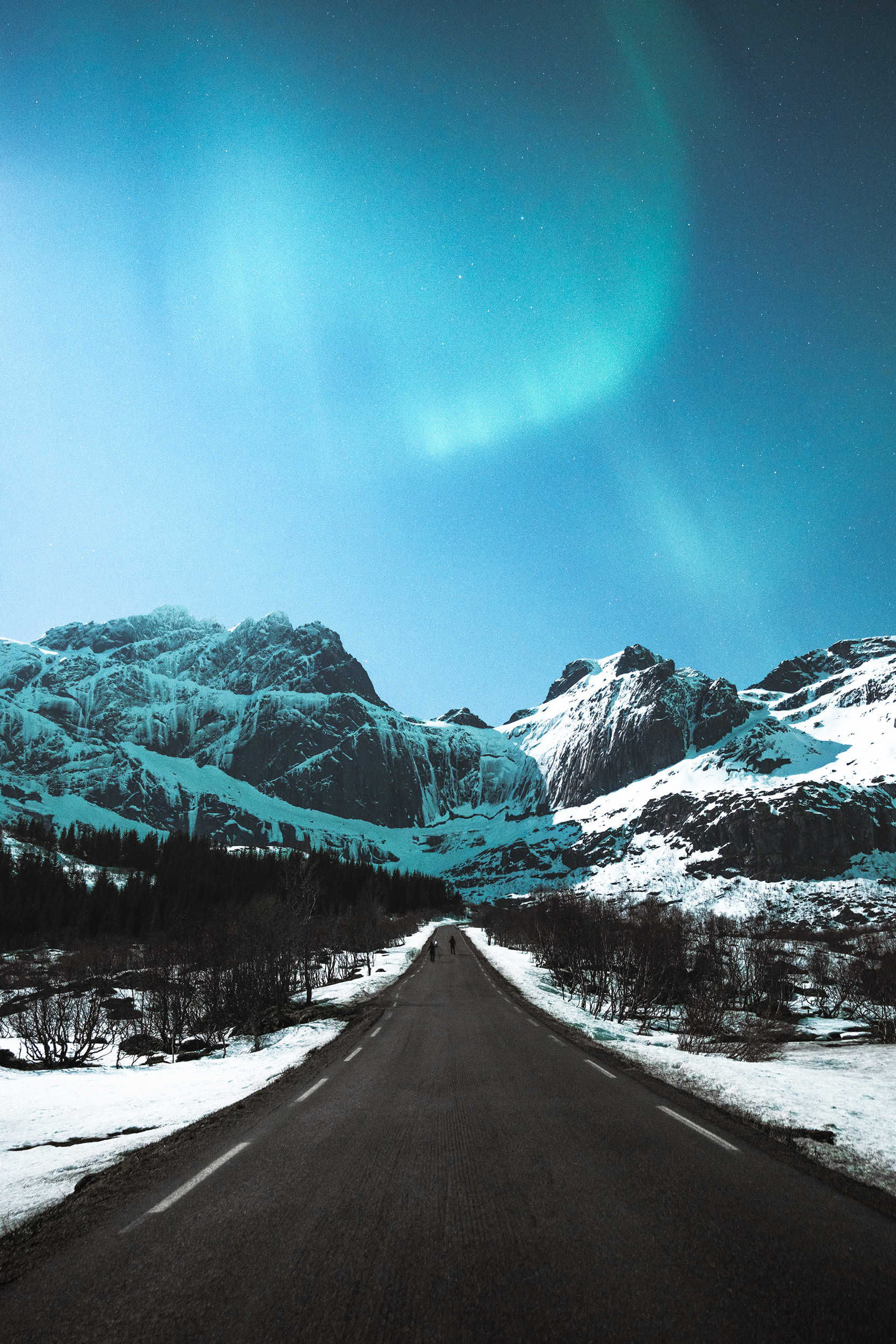 © Damon Beckford | Sony α7 IV + FE 16-35mm f/2.8 GM | 2.5s @ f/2.8, ISO 1000
Damon’s other go-to lens is the FE 16-35mm f/2.8 GM. “It gives me all I need for aurora shots,” he explains, “as well as a very useful range of wide-angle settings. 16mm has amazing impact, but push in to 35mm and it’s the ideal documentary lens, too.”
Which brings us back to the less-than-freezing shores of Lofoten. “It’s nice to go to the same places,” he explains, “because travel photography is about immersion as well as discovery.”
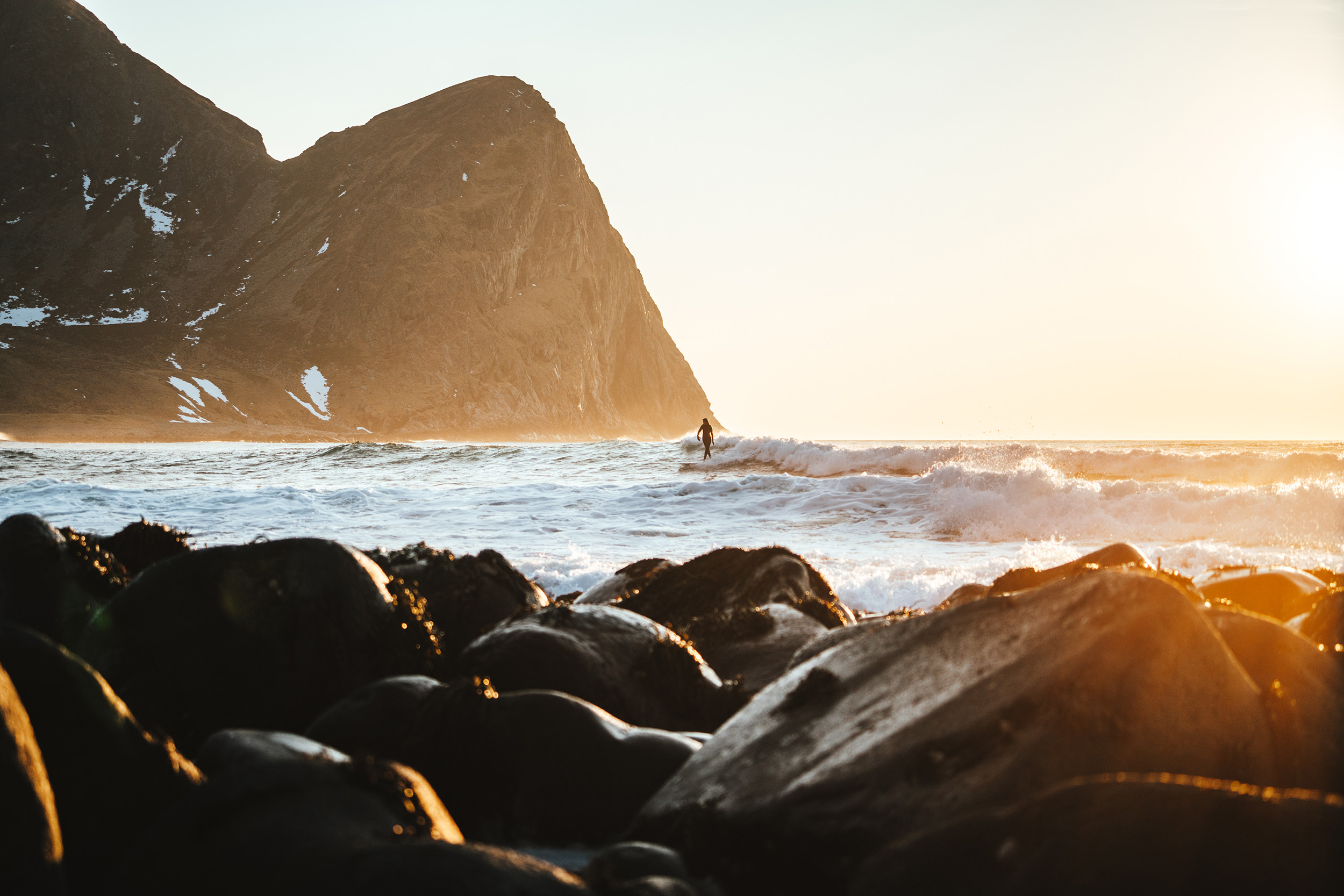 © Damon Beckford | Sony α7 IV + FE 70-200mm f/4 G OSS | 1/1250s @ f/4.0, ISO 100
“We’d come to get a real arctic feel,” he continues, “but it was much warmer than expected in March and most of the low snow had melted. That’s not unheard of, as the archipelago sits right at the end of the Gulf Stream, so we just had to adjust the plan a little. For instance, though we came with split boards to shoot snowboarding and surfing, we shot a bit more of the latter.” Those images mark one of the key pillars in Damon’s approach to travel pictures. “I often like to have some human elements in landscapes, or other elements that let people appreciate the scale of a place. Plus, it shows the lifestyle and makes these places seem more relatable and alive.”
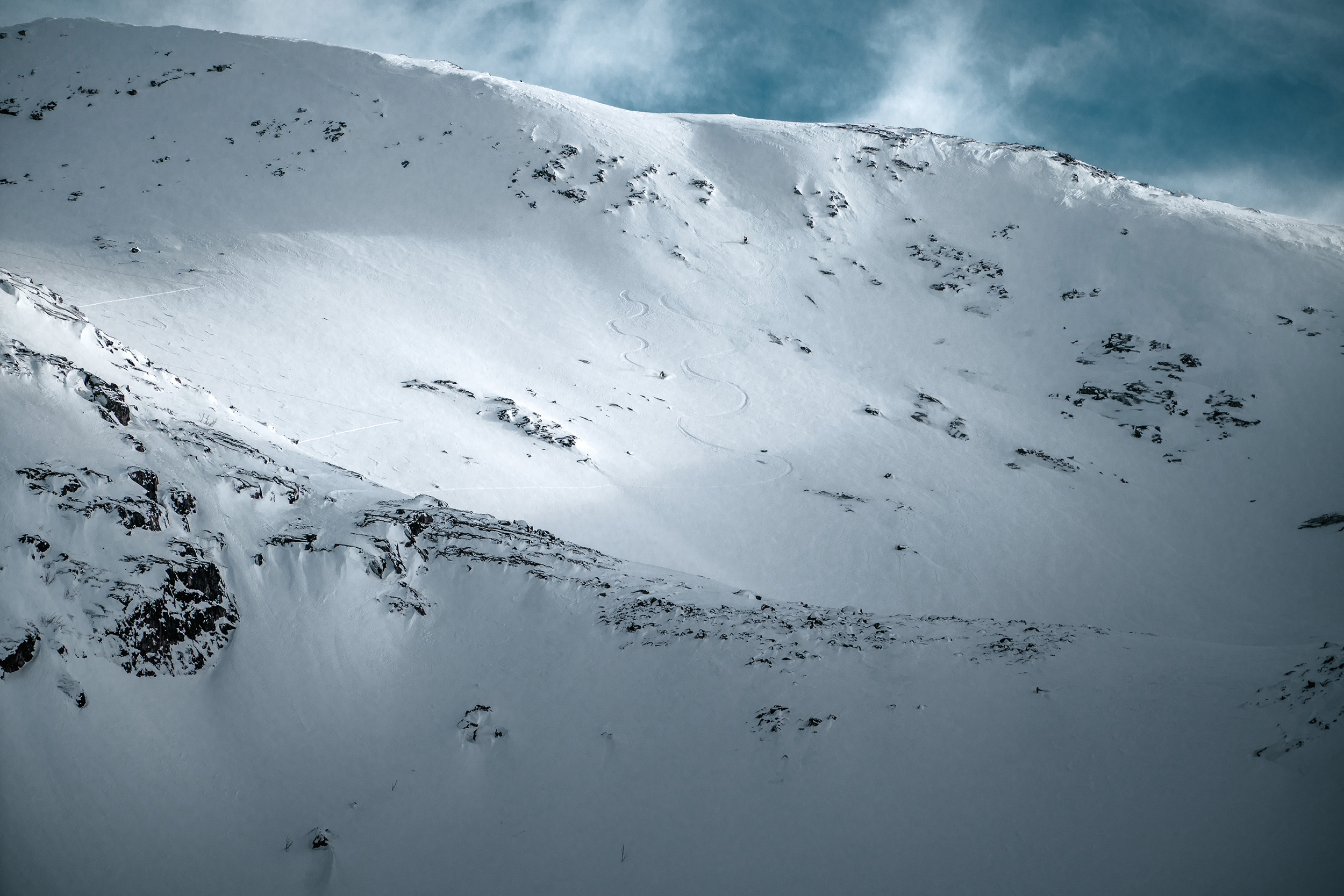 © Damon Beckford | Sony α7 IV + FE 70-200mm f/4 G OSS | 1/1600s @ f/5.0, ISO 100
Another example of that can be seen in Damon’s shot of a skier descending a mountain on Senja island, northeast of Lofoten. “We’d driven further north and higher to find snow, and as we ascended, I noticed skiers coming up the opposite slope,” he remembers. “So I kept my eye on them and it was great to capture them coming down the mountain, and showing the vastness of the wilderness.”
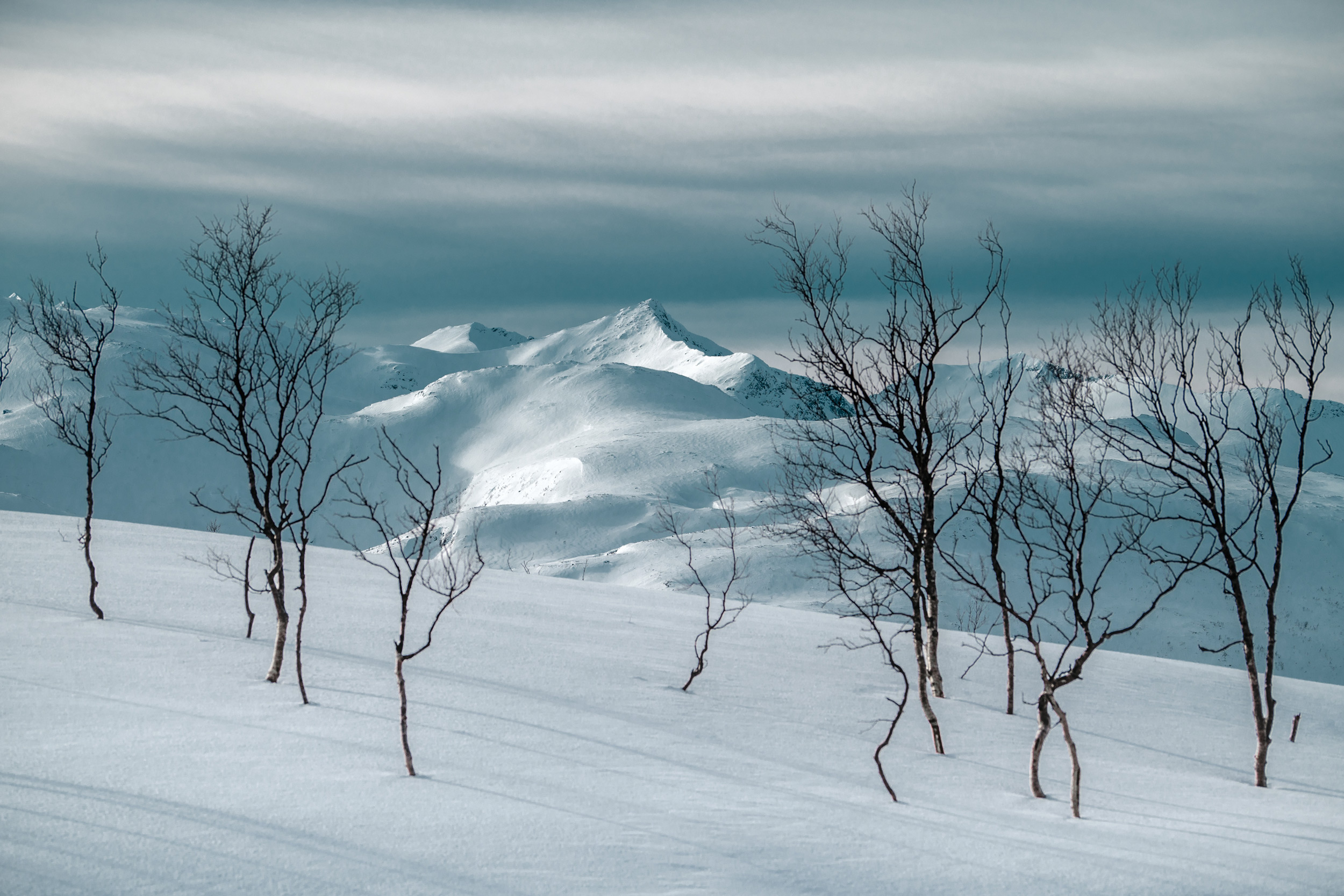 © Damon Beckford | Sony α7 IV + FE 70-200mm f/4 G OSS | 1/1250s @ f/6.3, ISO 100
That same hike produced another fantastic image in the shape of a snow-covered mountain framed by leafless trees. “This was taken from almost the same place,” Damon says, “and when I saw the view, I knew I had to capture it. It was exactly the sort of Arctic feeling I’d been wanting. But it was important to frame it the right way, pushing into the scene with my 70-200mm f/4. I love using that lens for landscapes, both to compress the perspective and pick out small parts of the scene.”
 © Damon Beckford | Sony α7 IV + FE 16-35mm f/2.8 GM | 3.2s @ f/2.8, ISO 1600
Lofoten was also another chance for Damon to shoot the Northern Lights, where his approach of revisiting and choosing his moments is clear again. “My main tip is to check the aurora forecast for increased aurora activity and for the sky to be clear. I have found that the best time to photograph the northern lights is usually around midnight, but if the forecast is calling for a KP index of more than KP 5, then you can start seeing them as soon as it gets dark. Of course,” he continues, “this relies on some luck as well as planning, but when they’re bright, you should only need 3 to 6 seconds of exposure for clear shapes and strong colours. If you need to use much longer, like 30 seconds, the lights become less distinct, and it can unbalance the scene.”
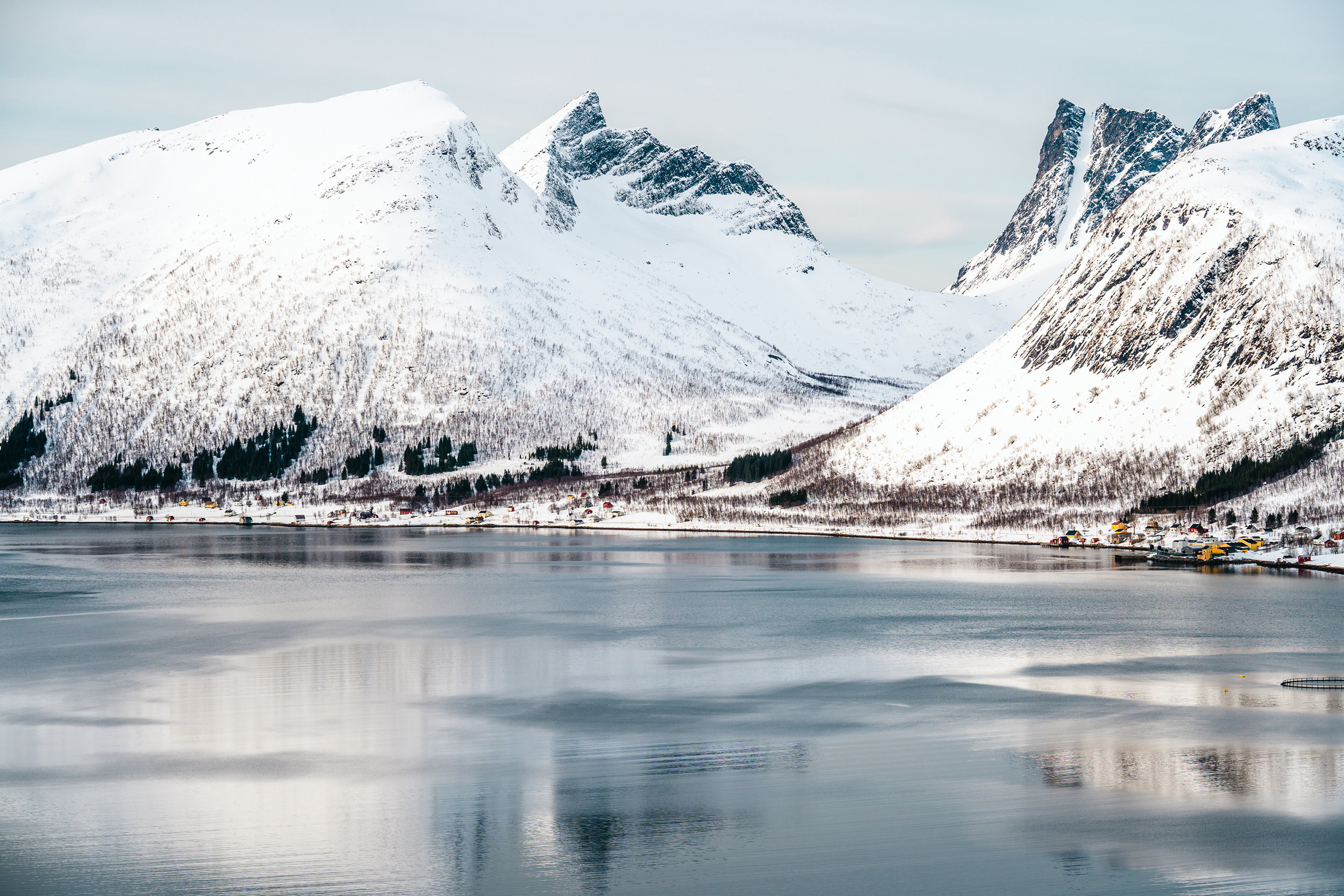 © Damon Beckford | Sony α7 IV + FE 70-200mm f/2.8 GM OSS | 1/1000s @ f/5.6, ISO 100
It’s a big world, so does Damon think he’ll continue to revisit locations in the way that’s become his style? “There are plenty of places I still want to experience,” he laughs, “for instance I just got back from seven weeks in Indonesia. It was amazing to see the tropics, but there’s still something very special about the Arctic for me, so I’ll be back soon. With climate change we have limited chances to see places as they are today, so I’m glad my Alpha 7 IV is helping me do it.”


