
Exploring Romania’s Rural Heritage
Filmmaker Mathieu Le Lay on “Archaic” and Capturing Vanishing Traditions
Mathieu Le Lay is a renowned film director and cinematographer with a passion for documenting the profound connection between humans and nature. Since 2008, he has focused on stories set in remote, wild landscapes, where people live in harmony with their environment. Le Lay’s latest project, “Archaic,” explores the disappearing rural culture of Romania’s Carpathian Mountains - a region he has visited regularly since 2014 and considers a second home.
How “Archaic” Began: A Creative Collaboration in Romania
Le Lay’s deep admiration for Romania’s wilderness and people inspired him to create “Archaic.” When Sony invited him to test the new FX2 camera and ECM-778 shotgun microphone, he chose Romania as the perfect setting. The project centres on Jeno Major, a Sibiu-based photographer and theatre actor, whose work documents the fading traditions of rural Transylvania.
Discovering Jeno Major: Documenting Disappearing Rural Life
Le Lay and his Romanian wife were long-time admirers of Jeno Major’s photography, which captures the essence of rural communities in Transylvania. After connecting with Jeno in Sibiu, Le Lay was drawn to a remote valley that became the film’s main location. The valley’s isolation, beauty, and resilient inhabitants offered a powerful backdrop for exploring the region’s cultural heritage.
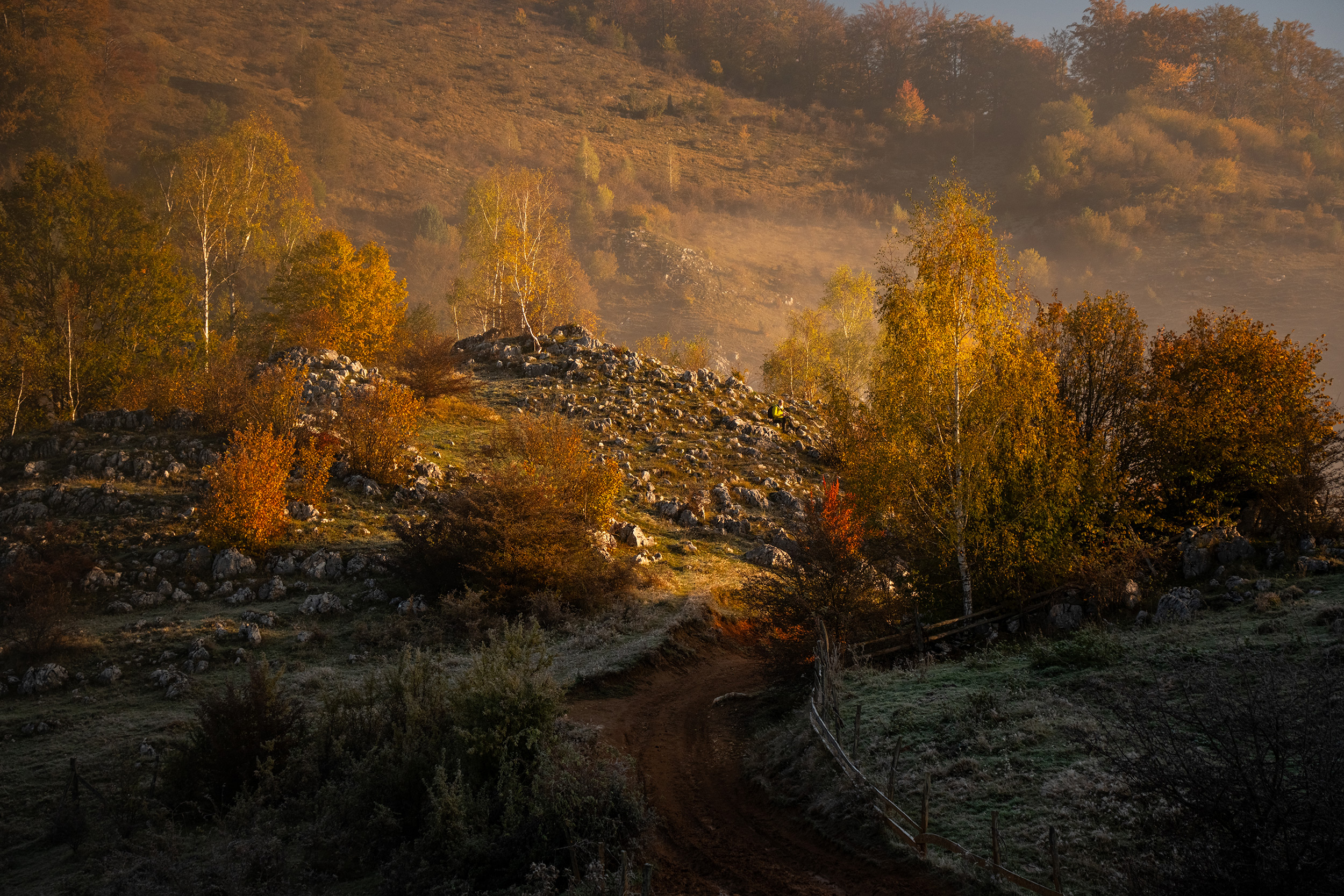 © Mathieu Le Lay | Sony FX2 + FE 24-105mm f/4 G OSS | 1/400s @ f/4.0, ISO 800
Creative Vision: Inspiration Behind “Archaic”
“Archaic” was inspired by Jeno Major’s photography book, which highlights the raw beauty and timelessness of Fundătura Ponorului and other remote Romanian villages. Le Lay’s previous work includes projects in Japan and the American West, but the spiritual connection between people and nature in Romania provided a unique narrative. Jeno’s dual life as a theatre actor and rural photographer added depth to the story, revealing the complexities of identity and tradition.
Capturing Romania’s Mystic Landscapes
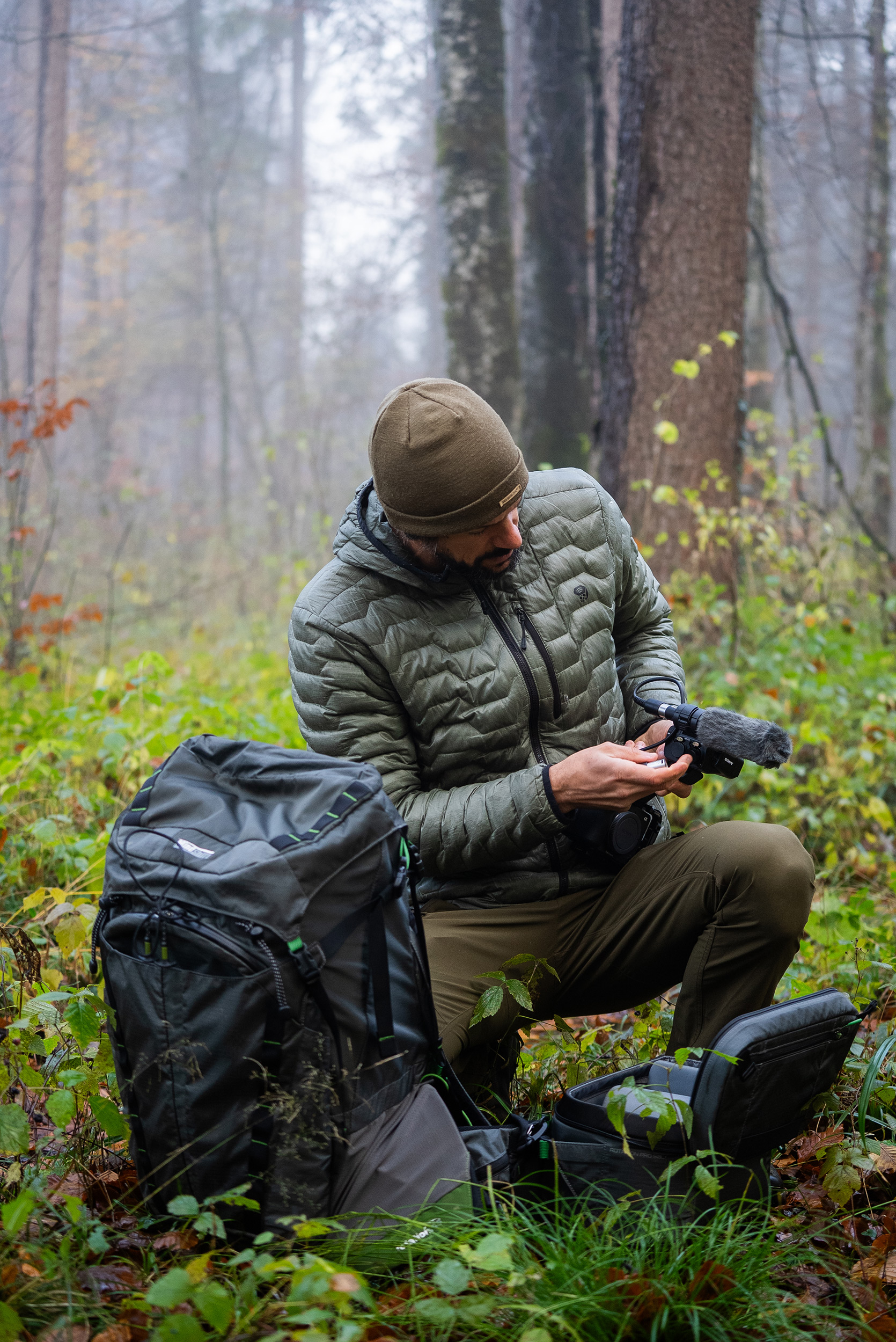
The Carpathian Mountains, with their foggy valleys, cold mornings, and dramatic weather, shaped the emotional tone of “Archaic.” Le Lay sought to immerse viewers in the atmosphere - using sound, music, and visuals to evoke the stillness and beauty of the landscape. The film’s opening scenes, set before sunrise, capture the haunting calls of deer and the gradual unveiling of the valley as fog lifts.
 © Mathieu Le Lay
Themes Explored: Heritage, Memory, and Resilience
“Archaic” delves into themes of rural heritage, memory, tradition, and resilience. The film highlights the relationship between humans and nature, the impact of climate change, and the importance of preserving cultural identity. Through patient observation and respect for the land, Le Lay conveys a spiritual dimension that transcends the visible.
Evolving Story: The Influence of People and Place
Le Lay’s approach was shaped by the trust and relationships Jeno built with local villagers. Returning to the same locations multiple times, the crew adapted to the rhythms of rural life and changing weather. The film’s visuals were carefully crafted to reflect the atmosphere of Jeno’s photographs, emphasising authenticity and emotional resonance.
Overcoming Challenges: Filming in Remote Romania
Filming in isolated regions like Fundătura Ponorului presented logistical challenges, but the compact Sony FX2 camera and ECM-778 microphone enabled efficient, discreet shooting. The team spent nights in barns and relied on nearby villages for power and supplies. The equipment’s portability and reliability were crucial for capturing the essence of rural Romania.
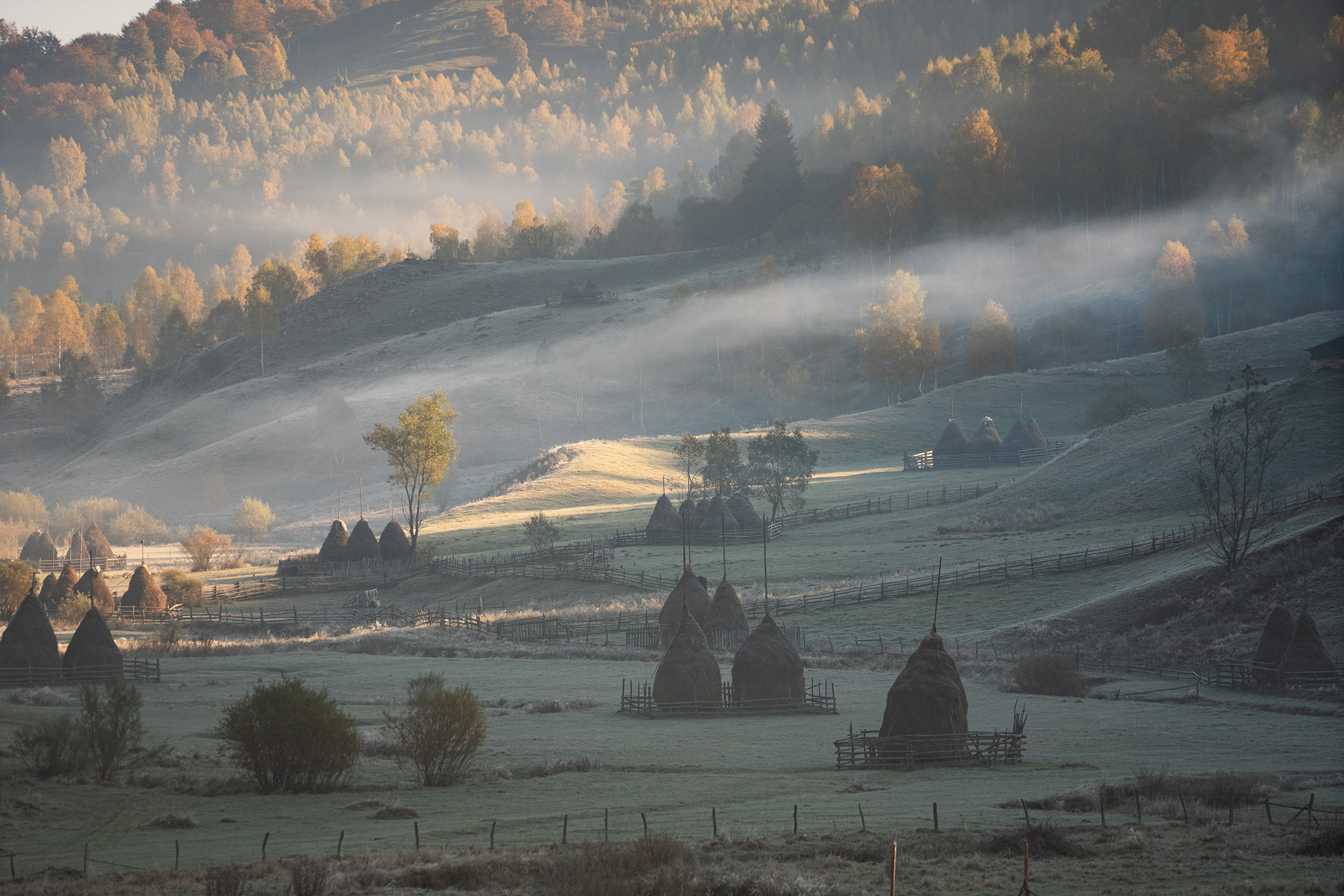 © Mathieu Le Lay | Sony FX2 + FE 70-200mm f/4 G OSS | 1/4000s @ f/4.0, ISO 800
Technical Insights: Using the Sony FX2 and ECM-778 in the Carpathians
Why the Sony FX2 Was the Perfect Choice
Sony Europe provided Le Lay with the FX2, allowing him creative freedom to push the camera’s limits. The FX2’s dual base ISO (800 and 4000) excelled in low-light, misty, and cold conditions, delivering clean, detailed footage even at dawn and dusk. Its dynamic range and colour flexibility were essential for capturing the muted, timeless aesthetic of “Archaic.”
Key Features for Documentary Filmmaking
- Dynamic Range & Colour Science: The FX2’s 33-megapixel sensor and 4K 10-bit 4:2:2 recording preserved subtle natural tones, making post-production colour grading in DaVinci Resolve Studio seamless.
- Portability & Stabilisation: The camera’s compact size and internal stabilisation (Active and Dynamic Active modes) enabled smooth, handheld shooting in challenging environments.
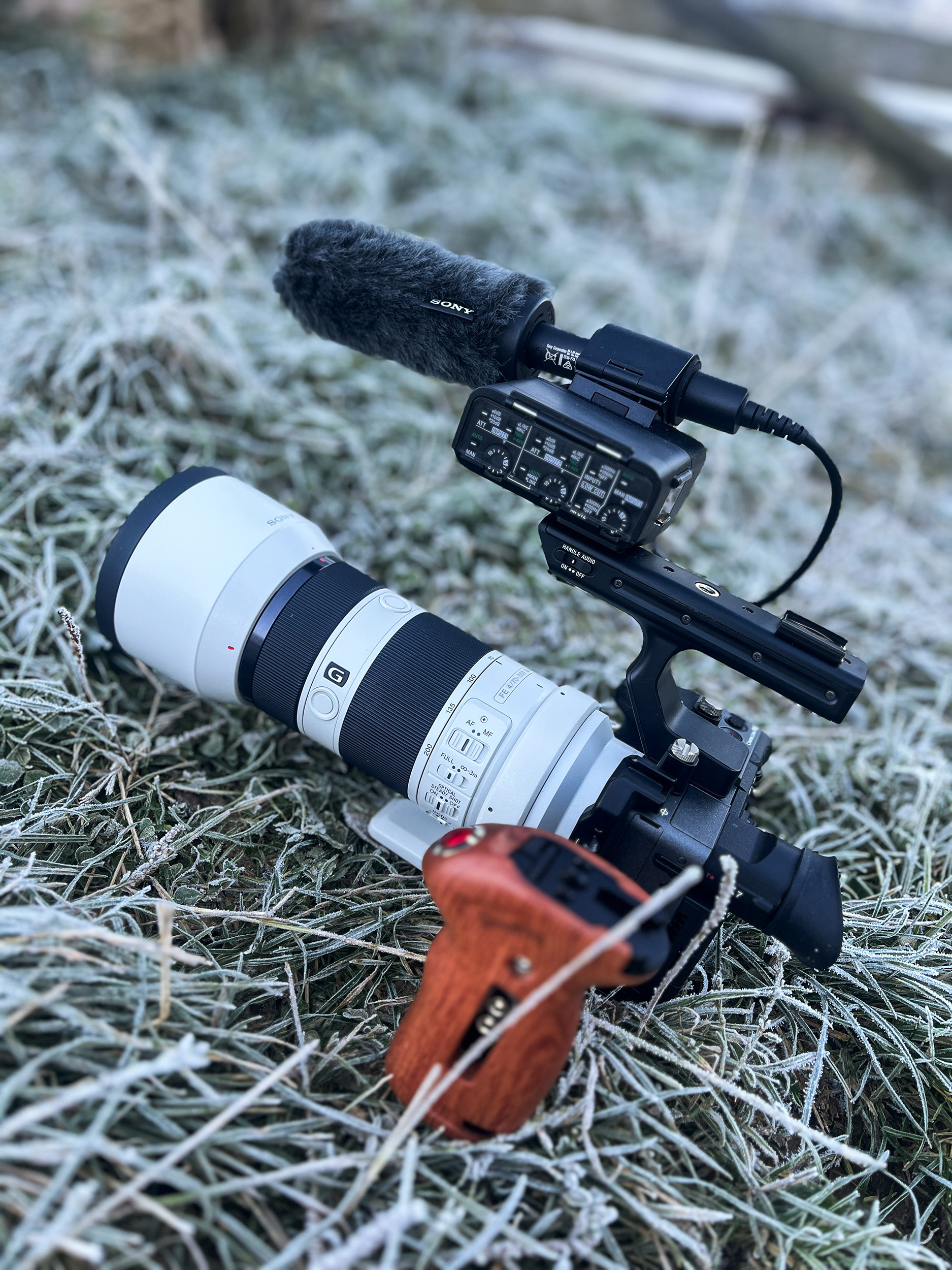
- Immersive Sound: The ECM-778 shotgun microphone captured the intricate sounds of rural life, from distant wood chopping to intimate conversations, without the need for lavalier microphones.
 © Mathieu Le Lay
Lens Choices for Versatility
Le Lay used four Sony lenses to cover a range of scenes:
- FE 16–35mm f/2.8 GM: Wide landscapes and environmental shots
- FE 24mm f/1.4 GM: Low-light scenes at dawn, dusk, and indoors
- FE 24–105mm f/4 G OSS: Main lens for following movement
- FE 70–200mm f/4 G OSS: Close-ups and detailed shots
This combination ensured both versatility and consistency throughout the shoot.
Artistry, Culture, and Audience Impact
What “Archaic” Offers Viewers
Le Lay hopes viewers feel immersed in the slow rhythms of rural Romania, reconnecting with nature and rediscovering simplicity. The film is an invitation to appreciate creativity, wonder, and the enduring beauty of traditional life.
The Importance of Preserving Rural Traditions
With younger generations leaving rural areas for cities, “Archaic” serves as a tribute to those who maintain Romania’s ancestral traditions. The film highlights the harmony and resilience of people living close to the land, emphasising the value of cultural heritage in a rapidly changing world.
Personal Insights: Learning from Jeno and Romanian Culture
Le Lay’s connection to Romania deepened through his collaboration with Jeno Major. He gained a greater appreciation for the pride Romanians take in their cultural identity and the generosity of rural communities. The experience reinforced the importance of documenting and preserving these traditions for future generations.


