
The Scale of the City
Liam Man
My name is Liam Man, and I am a Sony European Imaging Creator, based in London, UK. Over the past few years, I’ve spent countless hours walking the streets of the capital, looking for new compositions and exercising my creative spirit. Wideangle lenses have long held a permanent place in my toolkit, as nothing can capture the scale of the city quite like them.
But these lenses are typically big and bulky. Not ideal for long photo walks, where a heavy bag can be the difference between a fruitful day out and frustrating back pain. So, you can imagine my surprise when Sony asked me to test a trio of ultrawide lenses, each smaller and lighter than the takeaway coffee, sitting in front of me.
With fast wide lenses being the holy grail for vloggers, I chose to pair these lenses with the ZV-E10 and Alpha 6600 camera bodies. Despite being aimed at videographers and aspiring content creators, the ZV-E10 shares the same APS-C sensor size and 24MP resolution as the Alpha 6600, so I knew that it would still be able to produce high quality stills.
It’s hard to emphasise just how tiny these lenses are – 178 g for the 10-20mm, 181g for the 11mm and 219g for the 15mm. Mounted on the ZV-E10, the combinations weighed a little over 500g. That’s 100gm lighter than just the body of the Alpha 7 IV!
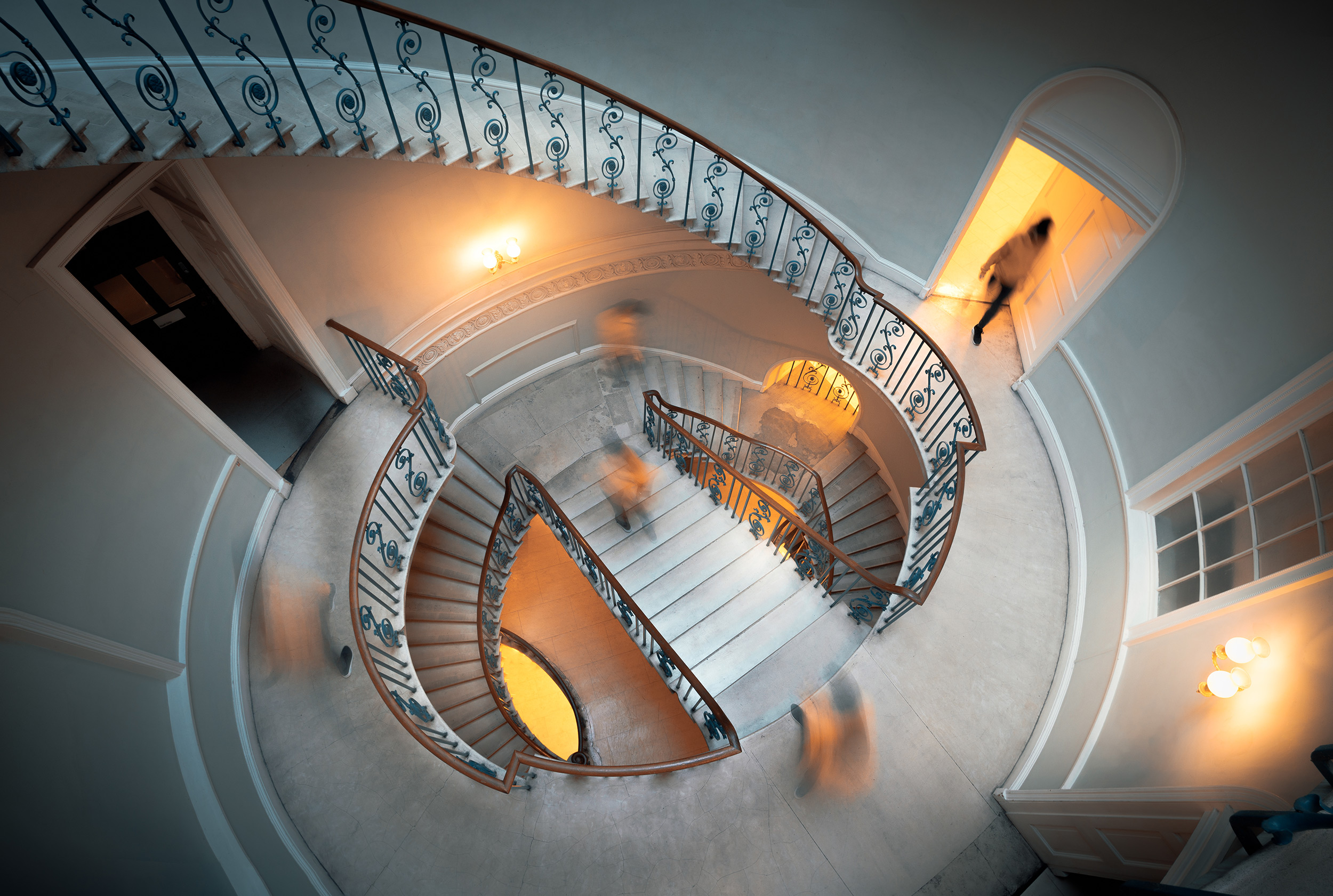 © Liam Man | Sony α6600 + E 11mm f/1.8 | 1s @ f/6.3, ISO 50
With this setup, vlogging was a breeze. No need to spend twenty minutes balancing a gimbal, no need for an external monitors or extra microphones. Just flip the screen, hit record, and start filming. I could have vlogged for hours without getting tired and the small size meant people paid little attention to me – a big difference from past vlogging attempts, with people constantly trying to photobomb the videos.
Most of my photo-walk was spent photographing architecture, from interior staircases to exterior cityscapes. The hard lines and sharp edges of man-made structures play a key part in my compositions, and I use them as leading lines, focusing the viewers’ attention on certain parts of the image. Historically, wideangle lenses are large because they need a lot of glass to correct any pincushion and barrel distortion. But because these are native lenses, software can be used to achieve in-body distortion correction, minimising the need for the extra glass. I was happy to see that all the straight lines were perfectly straight, and they didn’t need any extra correction in post-production.
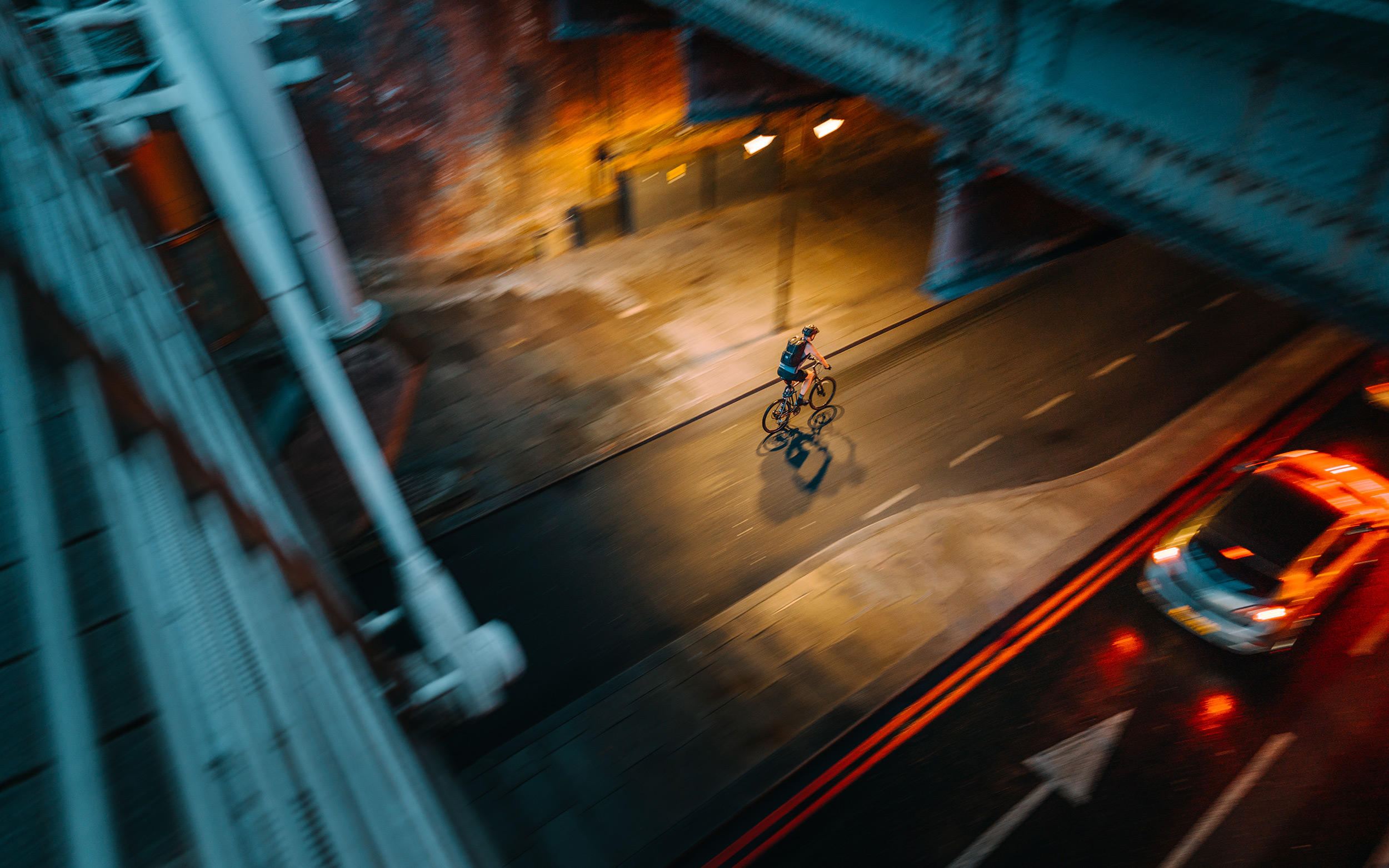 © Liam Man | Sony α6600 + E 15mm f/1.4 G | 1/20s @ f/1.4, ISO 100
In lower light conditions, the fast apertures of the 11mm f/1.8 and 15mm f/1.4 G lens let me keep my ISO low and images noise free. I let the autofocus do the heavy lifting and had fun playing around with slow shutter speed street photography. Because of the small size of my setup, it gave me the confidence to get up close to the subject. Paired with the wide-angle perspective, the images that I created had a totally different character than my usually telephoto-based street photography. The perspective distortion made the images much more dynamic, capturing the energy of the city with everyone rushing around, trying to get to their next destinations.
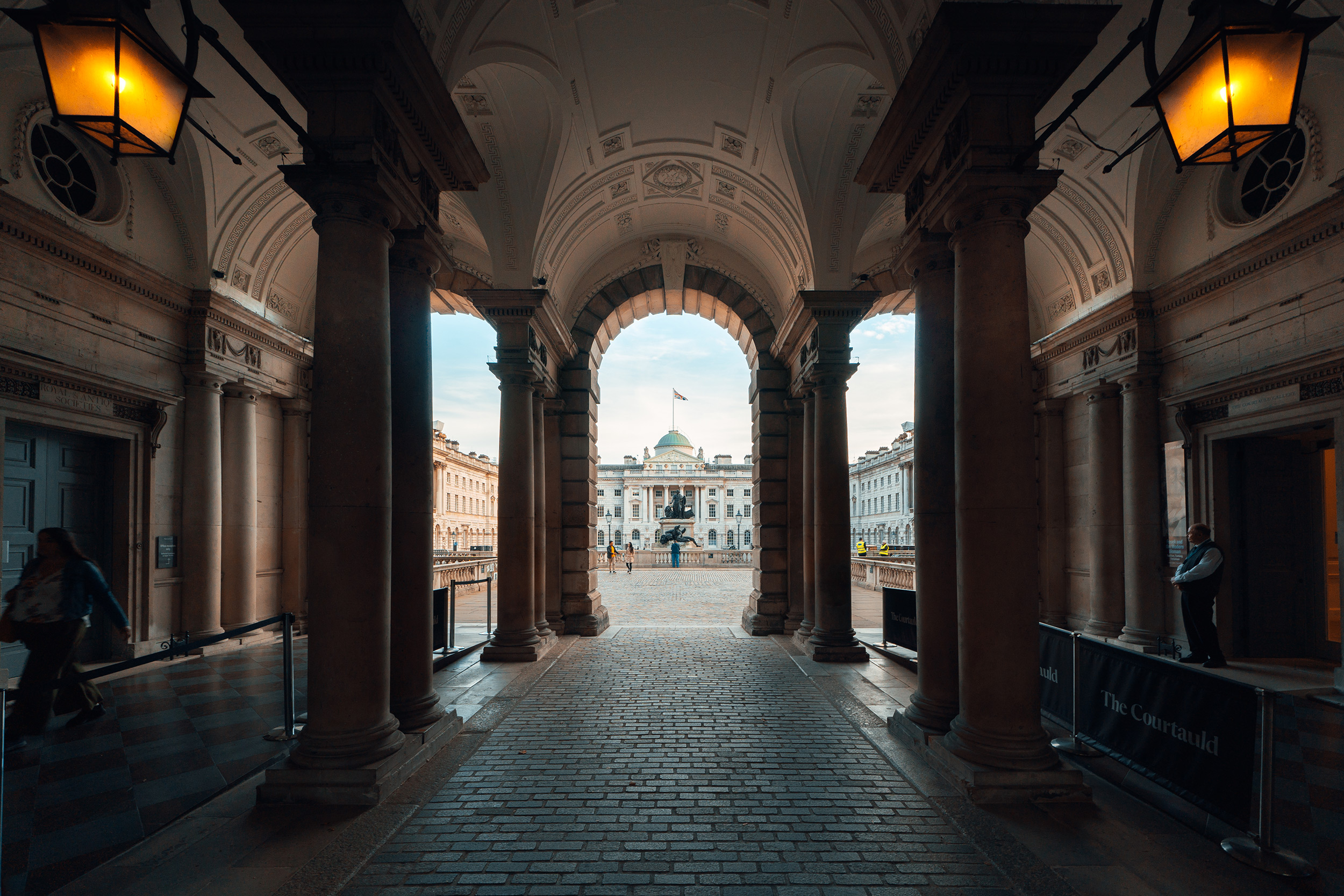 © Liam Man | Sony ZV-E10 + E PZ 10-20mm f/4 G | 1/50s @ f/6.3, ISO 50
Halfway into the photo-walk, I heard rumours of a once-in-a-lifetime flotilla, in tribute of the late Queen Elizabeth II. 150 boats, draped in lights, sailing down the river Thames. Knowing that this would be a golden opportunity for long exposure photography, I claimed my spot in the middle of the river and set up the 11mm f/1.8 on a tripod. Manually focusing with the focus ring on the lens, I let the in-built intervalometer continuously shoot 13 second long-exposures. Over the course of an hour, I captured the full event with around 250 images. In post-production, I merged these images into one of my favourite timelapses.
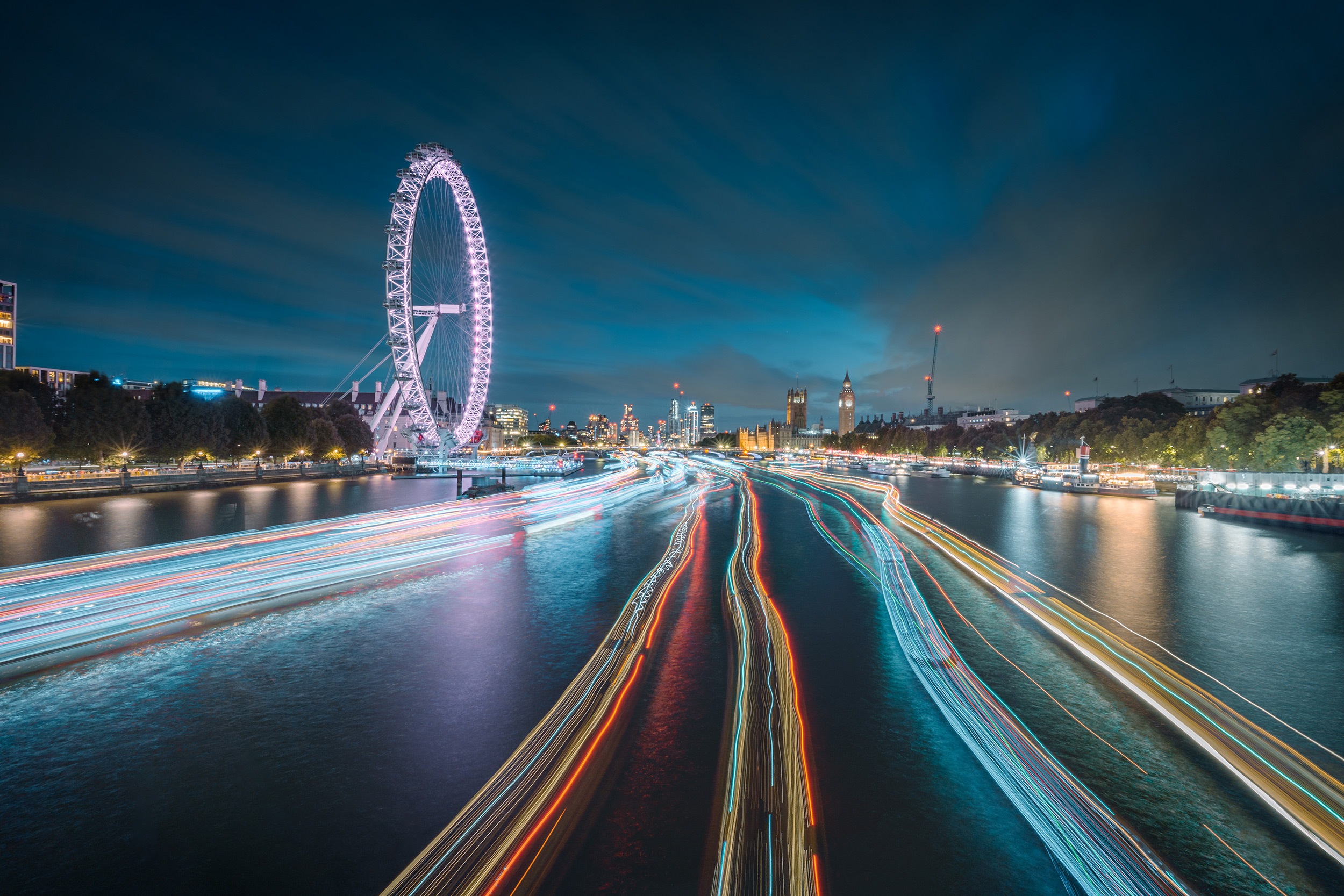
Wide-angle lenses tend to stretch objects at the edges of the frame and emphasise the foreground. The 11mm field-of-view played a huge role in the success of this composition, with the light trails from the boats becoming more prominent in the frame, reaching out towards the corners. They became perfect leading lines, pointing towards the centre of the photograph, and the London skyline.
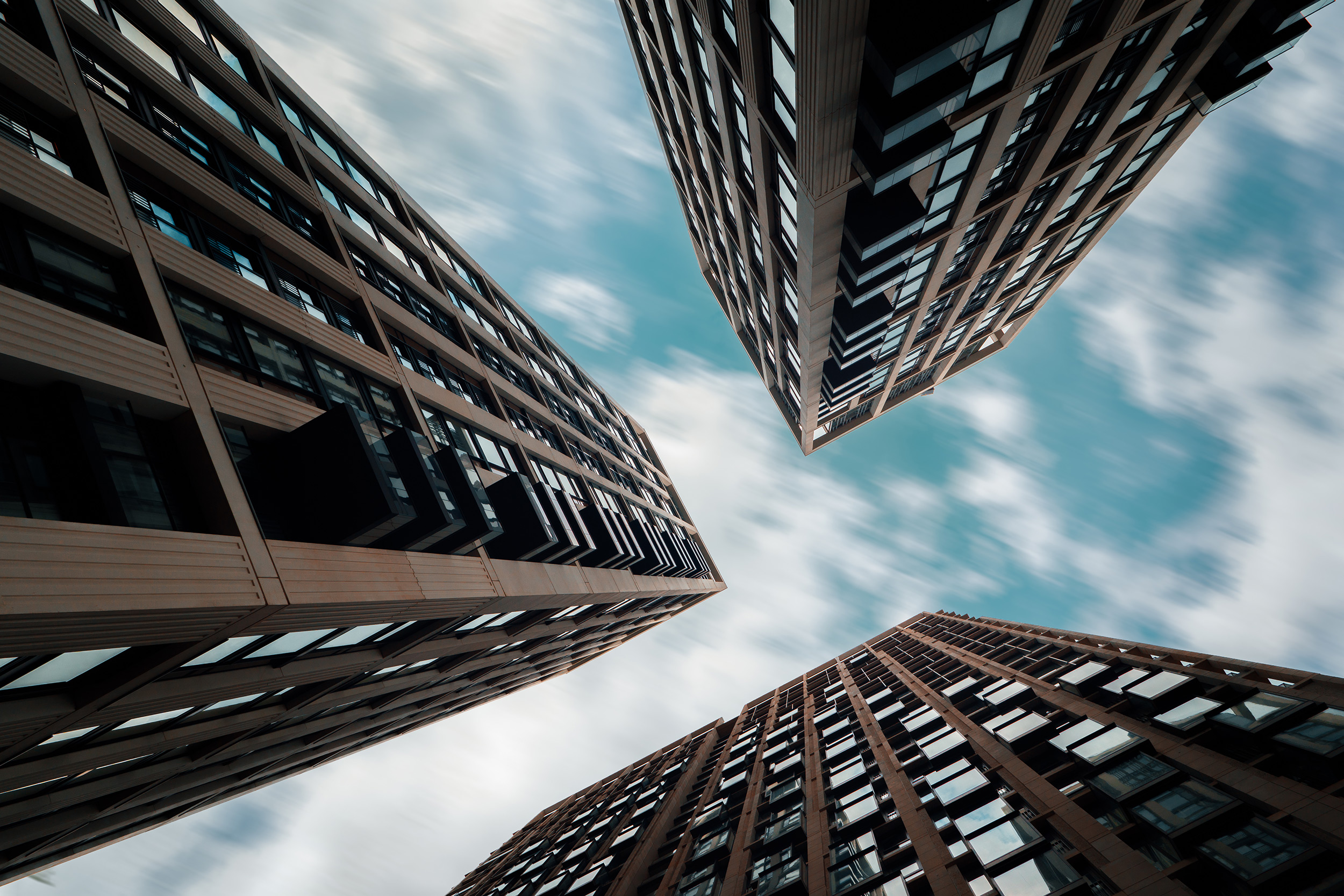 © Liam Man | Sony ZV-E10 + E 15mm f/1.4 G | 1/160s @ f/8.0, ISO 50
This family of wide lenses fills a vital space in the APS-C lens line-up. Small, fast, and versatile, they perfectly balance the compact size of the crop sensor cameras.
As you can see from the images, the expansive field-of-view opened-up a whole range of compositional opportunities, with lots of dramatic leading lines converging towards the subjects. Not only were the lenses sharp for stills, they were also great to film with. In particular, the vlogging experience was super easy, with the fast apertures blurring out the background and producing nice subject separation.
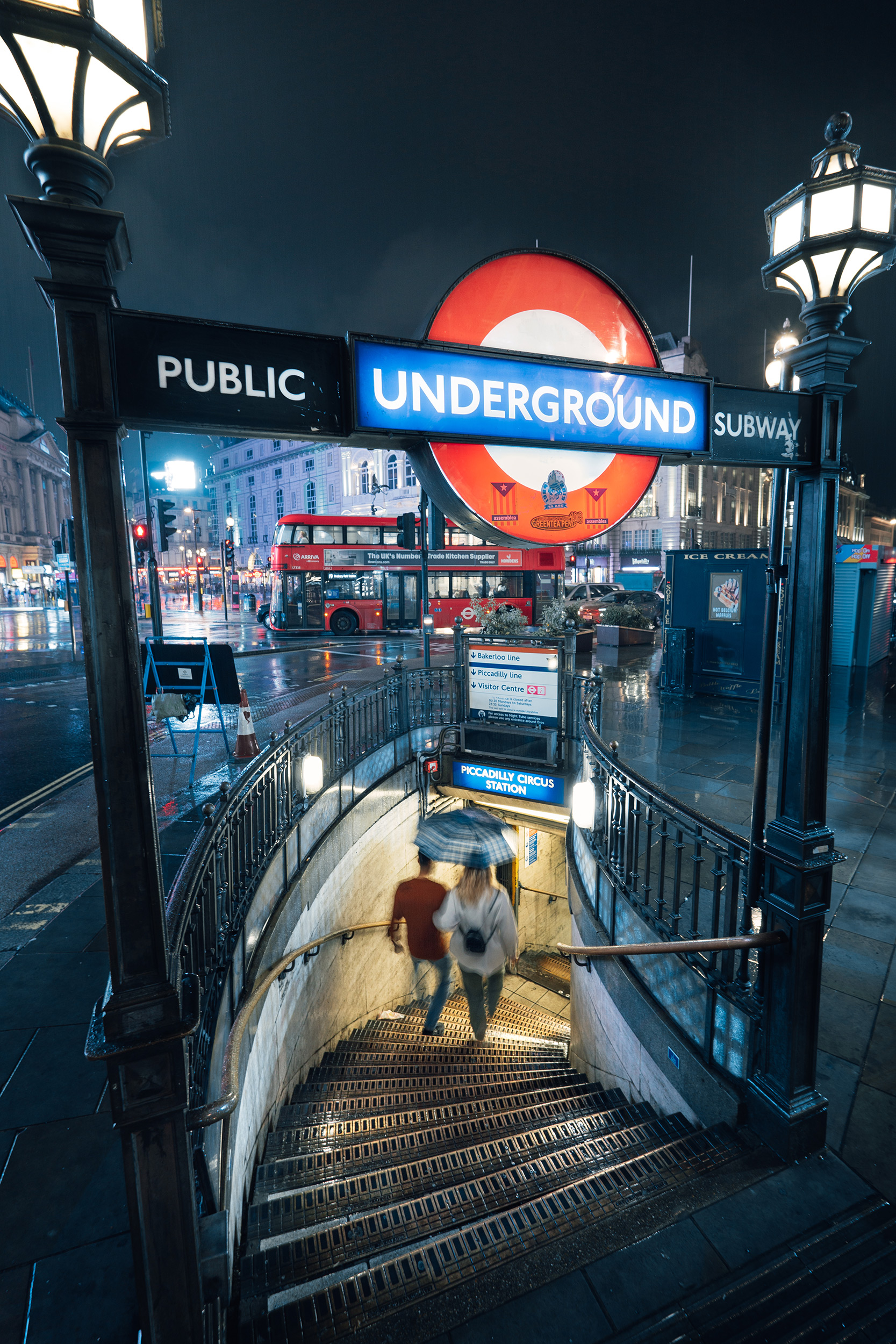 © Liam Man | Sony α6600 + E 11mm f/1.8 | 0.5s @ f/4.0, ISO 50
If you want to keep your gear compact and lightweight but don’t want to sacrifice performance, these three lenses are essential.
Featured products


Liam Man | UK
Liam Man is a UK based image creator and travel photographer


