
Wild Things
Florent Nicolas
First drawn to the Pacific coast of British Columbia and its Great Bear Rainforest as part of a marine conservation project, photographer Florent Nicolas fell in love with the Gitga´at First Nation territory and its fine network of inlets and bays backed by temperate woodland. It’s a relationship that’s lasted well over a decade, spanning eight trips of between three weeks and three months – and produced a beautiful book.
“I was helping scientists operating hydrophones to record acoustic data on cetaceans (dolphins and whales) in the area to try to understand how shipping is affecting the marine environment,” he explains, “as well as monitoring the activity of the humpback whales, fin whales and Orcas that live in the area. The role required some photography to identify the animals as they travelled through, but my pictures really developed as I got to know the shoreline.”
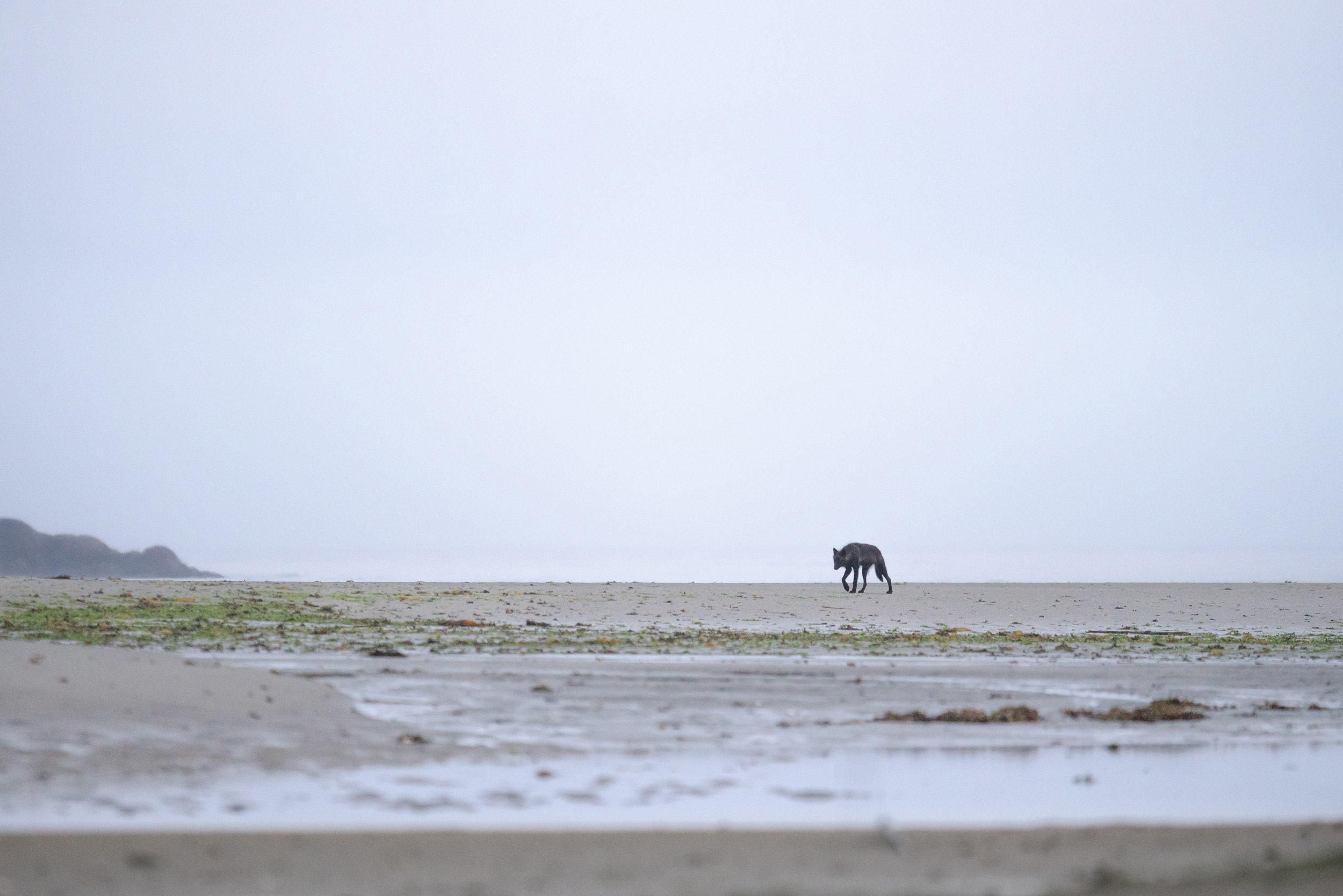 © Florent Nicolas | Sony α99 II + 300mm f/2.8 G | 1/640s @ f/2.8, ISO 2500
In this landscape of rocky beaches, sand-banked estuaries, and tree-lined gullies, he also developed his relationship with the indigenous population, the Gitga'at people.
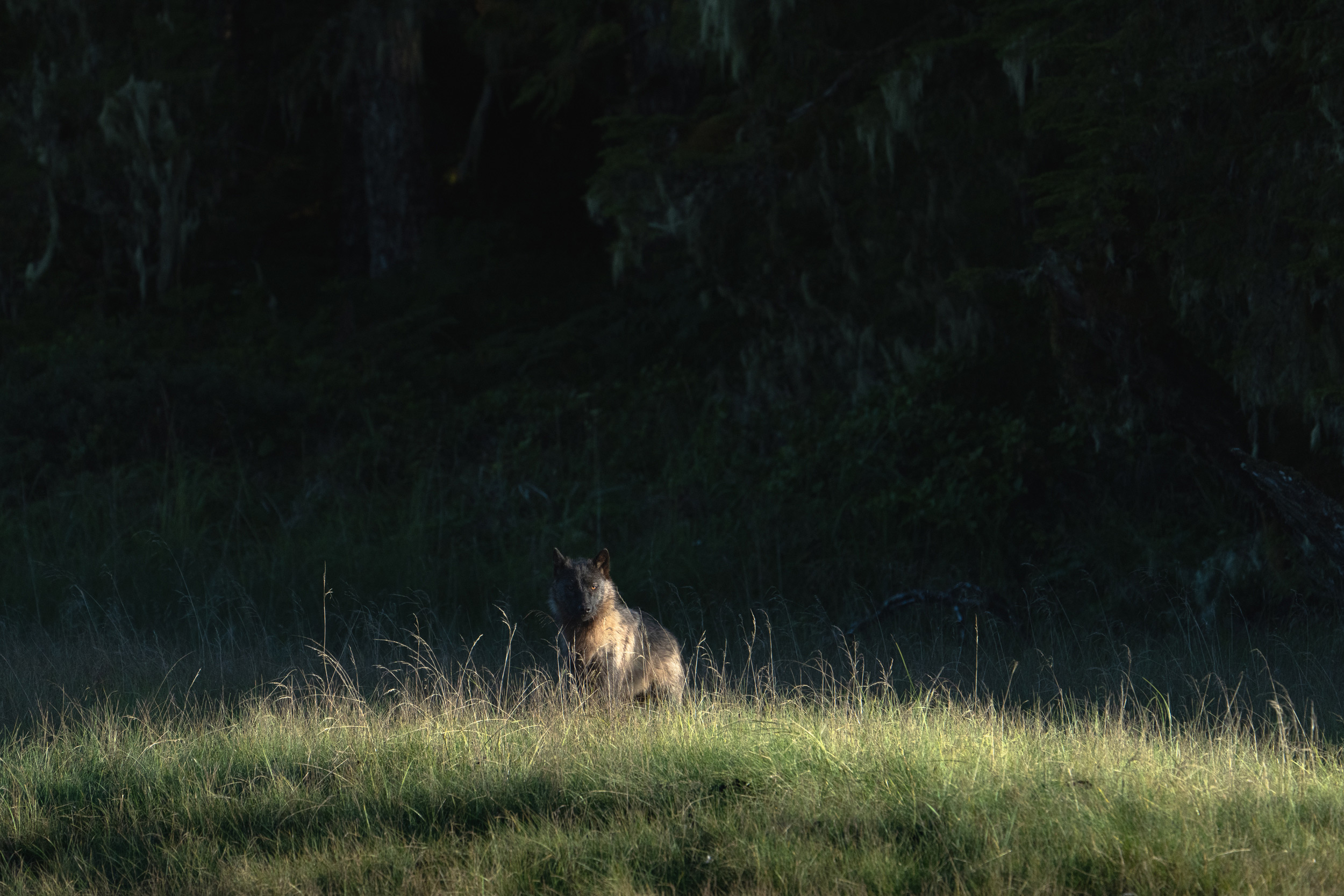
“At the beginning, it was mostly about whales,” Florent says, “but when I met the First Nation people and became friends with them, they introduced me to their territory and their values, then they took me to discover the bears and the coastal wolves. In this project, I wanted to pay tribute to them and the way they coexist with the natural world. Feeling that photographing the people themselves was invasive – and portraiture not being my subject – I chose to do it by concentrating on the animals that are iconic to them: the wolves, bears, and whales.”
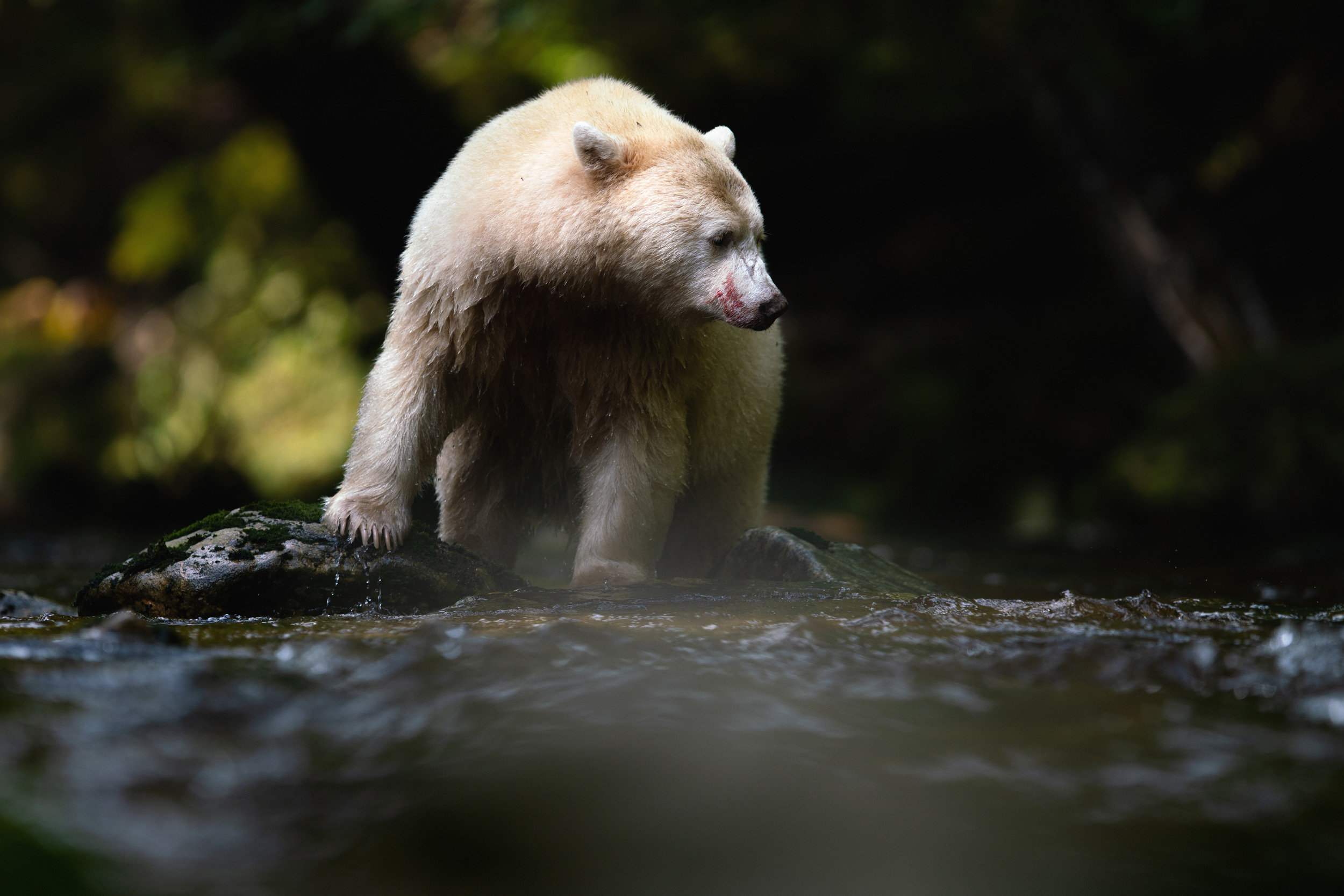 © Florent Nicolas | Sony α99 II + 300mm f/2.8 G | 1/800s @ f/3.2, ISO 250
When it comes to the technique and technical side of shooting this project, at the top of Florent’s list is to give his subjects space. “There is always respect needed,” he says, “and that means keeping my distance. When people shoot on safaris in places like Africa, they use jeeps to go after the animals, but on the coastline, there’s nothing like that. We might use a spot, but then it’s all hiking and waiting. This way, the animals understand that we are not here to get close, and they don't have to fear us.”
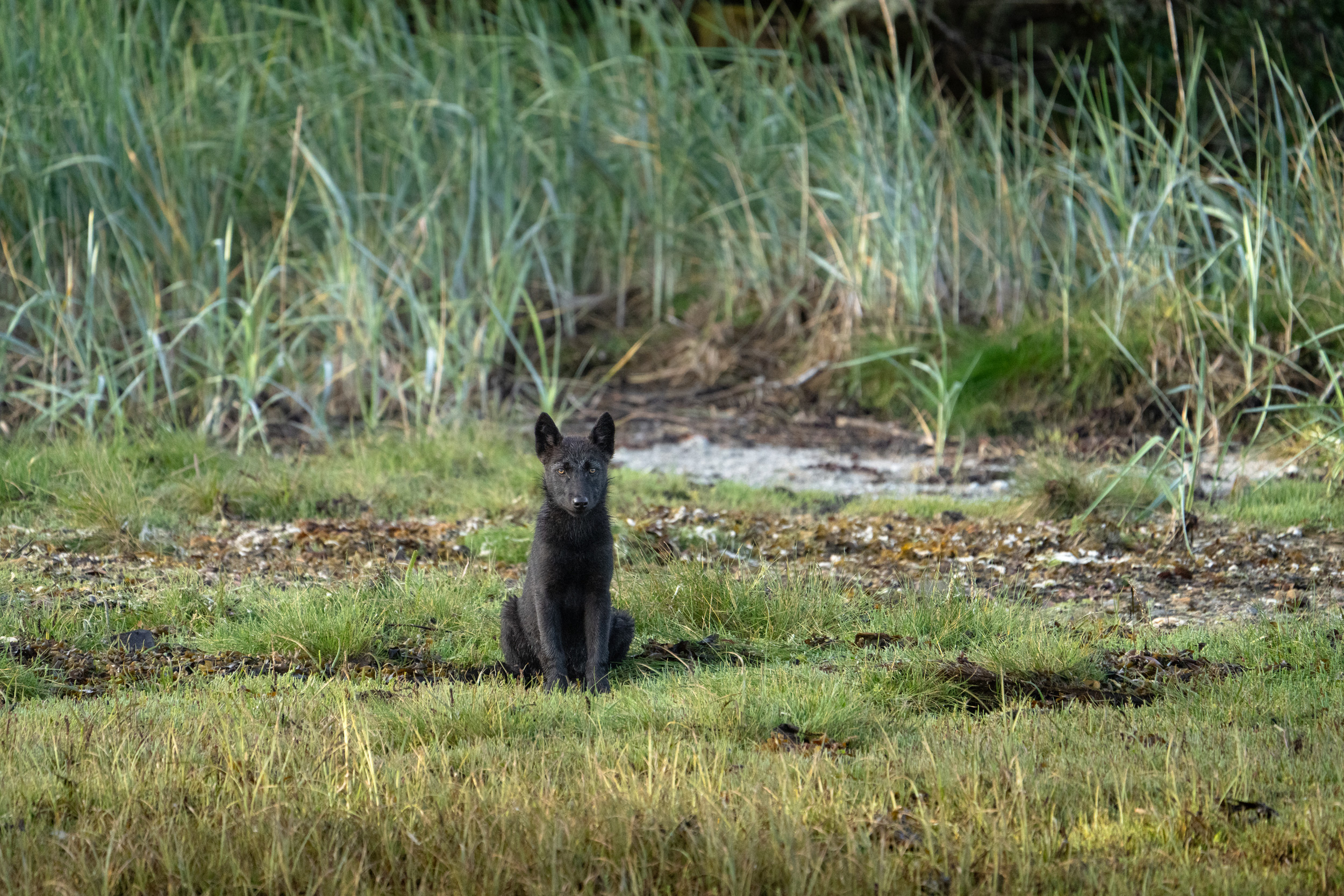 © Florent Nicolas | Sony α7R IV + FE 200-600mm f/5.6-6.3 G OSS | 1/1600s @ f/6.3, ISO 3200
“Being present is a huge part of success,” he continues, “and to build the trust, I never hide. The wait could be a few days, or sometimes a few weeks, and all that time you are imagining a wolf or a bear coming into a nice composition. And then the moment comes, and it’s like a gift. The encounter is usually only a few minutes. That’s all you need. But you have to be ready.”
Though he began the project using several A-mount Sony Alpha cameras such as the Alpha 99 II, “on my last few trips to the Great Bear Rainforest, I’ve been using the Sony Alpha 7R IV,” Florent says, “a camera that’s perfect for that environment and the challenges of it. It’s extremely responsive, the battery life is spectacular, and even though it's raining and humid most of the time it has never failed me. Those things are especially important for me, because being ready means having the camera set up on a tripod, switched on and exposed to the elements for hours on end, even if I fall asleep myself!”
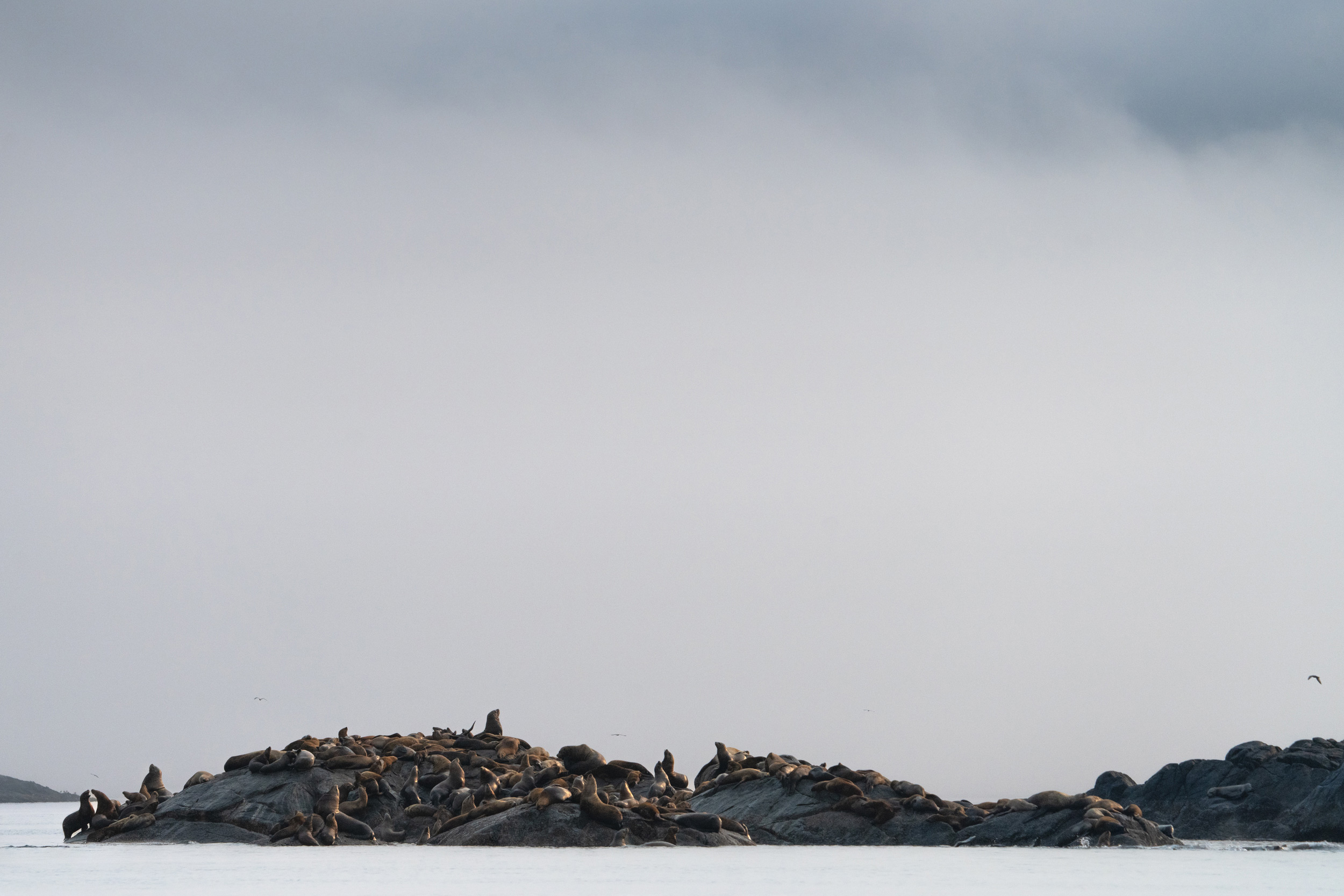 © Florent Nicolas | Sony α7R IV + FE 200-600mm f/5.6-6.3 G OSS | 1/6400s @ f/7.1, ISO 1000
“Part of the readiness is also having all the required settings already dialled in,” he continues. “I shoot in full Manual mode, using the EVF as a guide to exposure and I like to use ISO in manual, too, making sure I have plenty of shutter speed to freeze the subject’s movement. When you’ve waited for days, you want a sharp shot, so mine tend to be a minimum of around 1/800sec.”
Though he uses long telephoto lenses, like the FE 200-600mm f/5.6-6.3 G OSS, and an older A-mount 300mm f/2.8 G on his Alpha 7R IV via an LA-EA5 adapter, to magnify his subjects, Florent likes to balance them with their environment. “That’s really important to me,” he confirms, “because it tells more of a story than a simple portrait. I want to show the habitat, and the animals' relationship with it. I also often close the aperture a bit to reduce the blur and show more context.”
 © Florent Nicolas | Sony α7R IV + FE 200-600mm f/5.6-6.3 G OSS | 1/2000s @ f/8.0, ISO 800
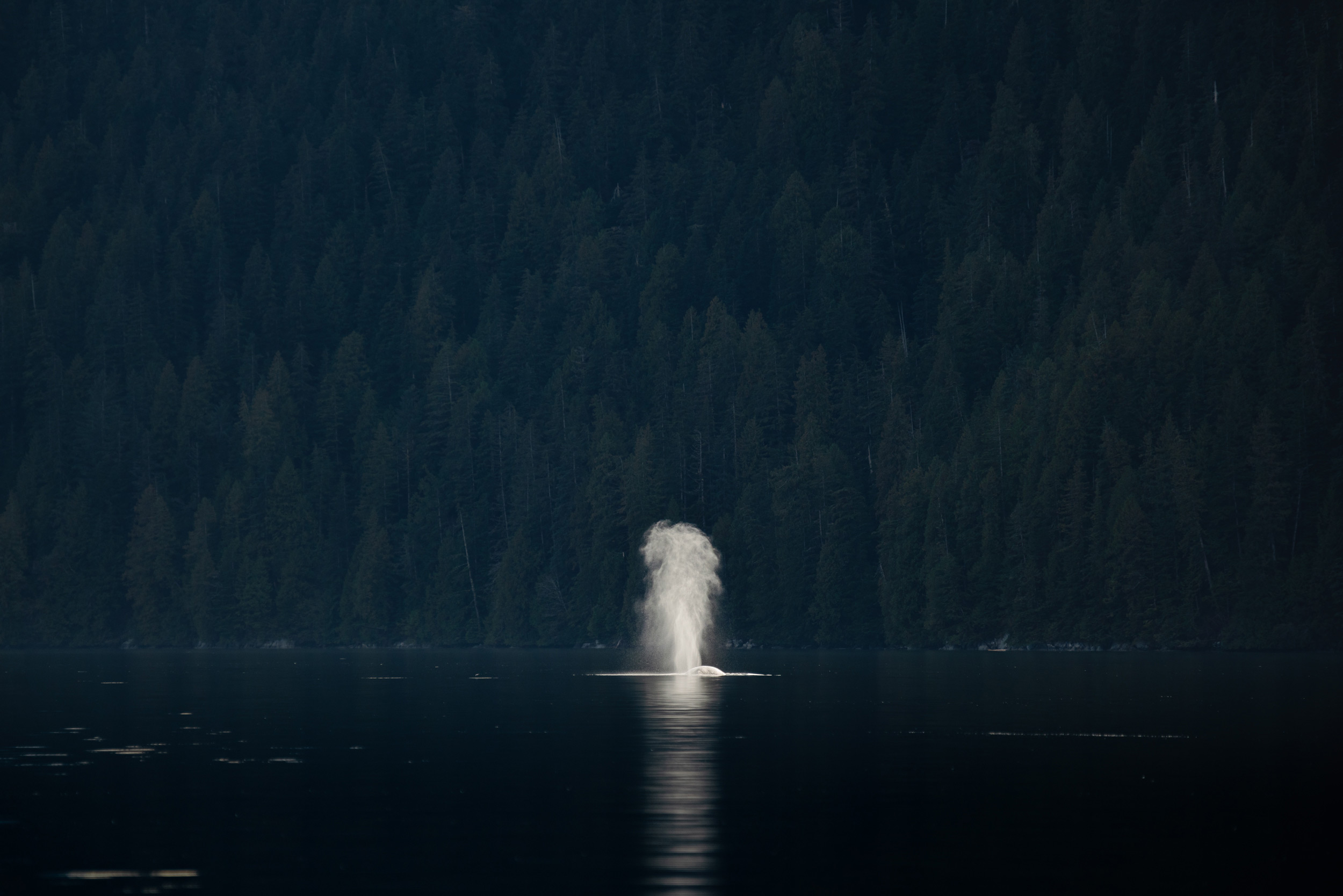
Shots like Florent’s image of a whale’s blow, framed by the forest behind, tell that story to perfection. “This is just the right blend for me,” he explains, “because it shows how the marine environment interacts with the rainforest. You can almost hear the sound of the blow resonating between the trees, and the link between nature is very clear. That’s the purpose of the project, and when it translates like that it’s so satisfying.”
 © Florent Nicolas | Sony α99 II + 70-400mm f/4-5.6 G SSM | 1/640s @ f/6.3, ISO 500
Featured products


Florent Nicolas | France
Florent is a wildlife photographer living in Finland, but originally from France.


