
Top Tips: Photographing Winter Sports
Capture the Details
It is the snow, ice, and beautiful light that often make winter sports images, and those conditions help tell the story of the sport. Snow or ice spray as skiers, snowboarders, or skaters dramatically turn or stop adds an element of movement and energy to an image. Timing and positioning are critical with this type of shot, so position yourself at a safe distance, low to the ground, where you can see snow spray in the frame. It may take some trial and error, but it can have an immediate impact on your images.
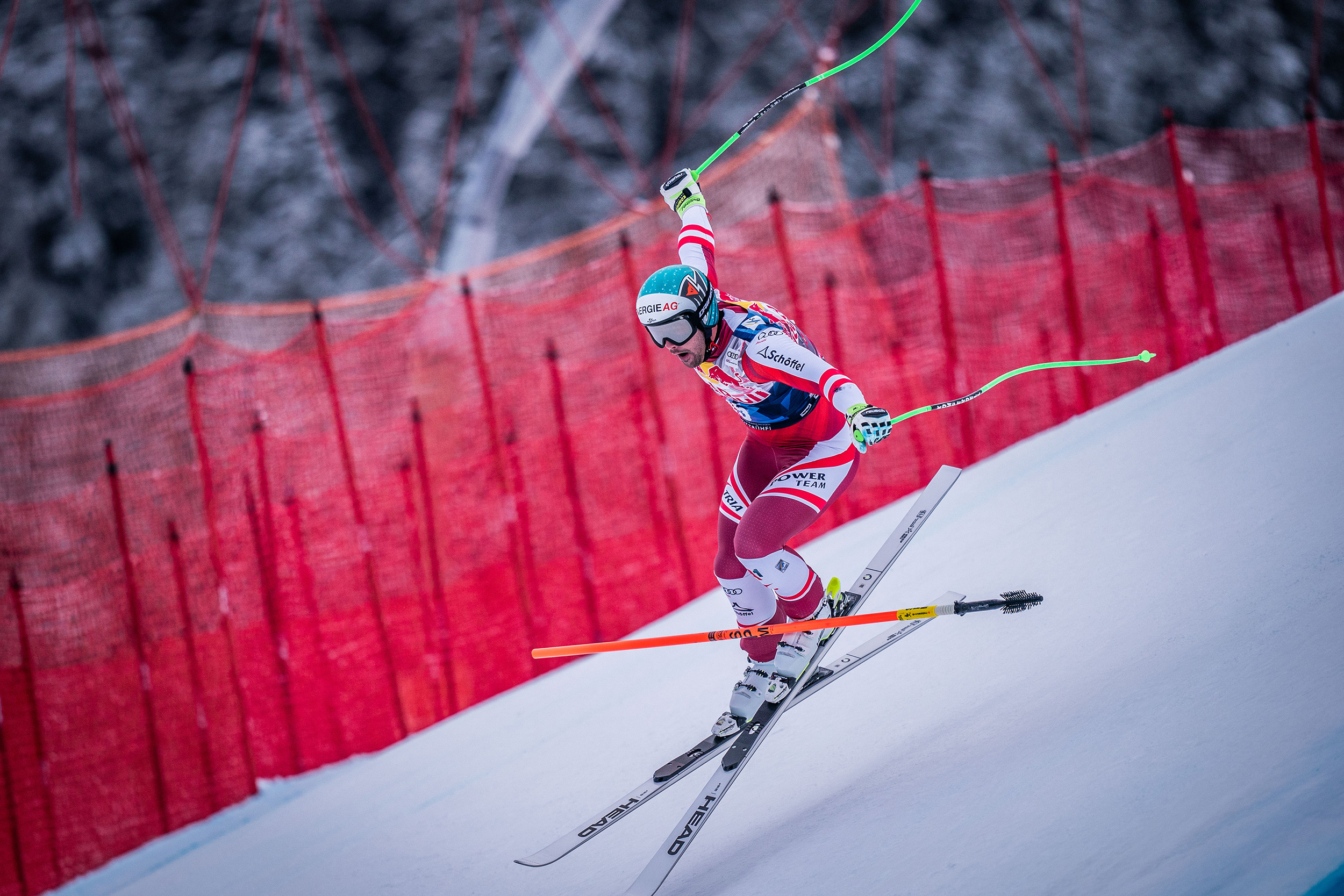 © Mine Kasapoğlu | Sony α9 II + FE 400mm f/2.8 GM OSS | 1/8000s @ f/3.2, ISO 800
Shutter Speed
Skiers and snowboarders are fast, travelling anywhere between 20-50 km/h, depending on conditions and ability. Professional downhill skiers or ski jumpers can reach speeds of up to 130 km/h. Shutter speeds must be fast enough to freeze the subject in motion.
Your shutter speed should be at least 1/1000 second, and as high as 1/2000 second if you are photographing downhill racers or if you want to freeze a mid-air jump.
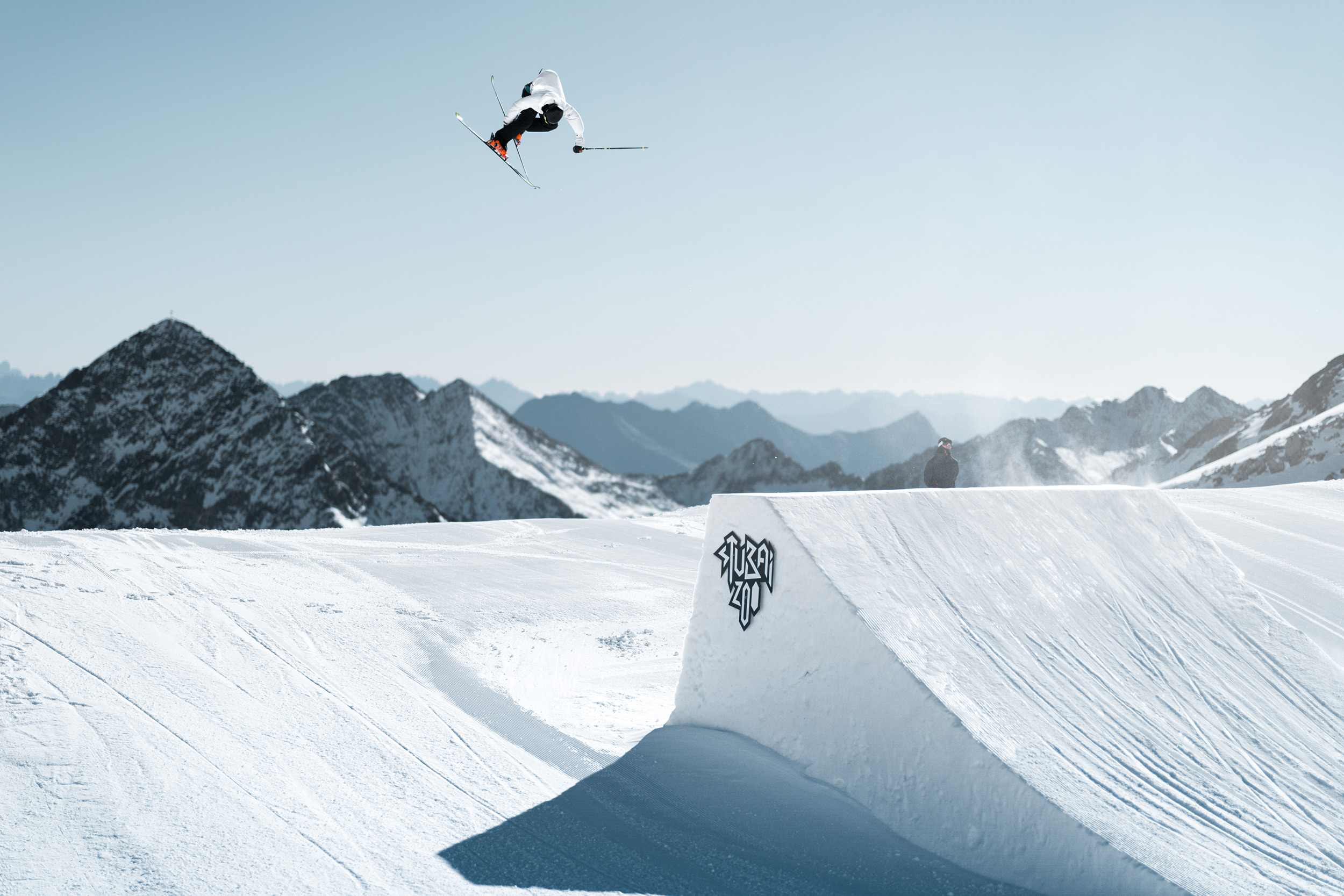 © Kyle Meyr | Sony α9 + FE 85mm f/1.4 GM | 1/16000s @ f/1.4, ISO 100
Autofocus
Besides shutter speed, the next most important setting is the autofocus. For best results, shoot like a professional, regardless of the Sony camera you use. Set your Focus Mode to AF-C to maintain continuous focus on your subject as your camera moves. For the Focus Area, use Tracking: Spot M. Once you focus on your subject, the Focus Area will track them, and as long as you keep them in the frame, the focus will stay on them.
Also, ensure Subject Recognition is set to Human. When it detects the subject as a human, the focus zone will shift to the subject's face or even eye. This is an effective AF setting for ice skating, where the subject's face is easily visible. Even for speed skating, the latest Sony camera with AI subject recognition can detect the subject's face while wearing glasses. With the Tracking and Subject Recognition focus, you get the best of both Sony autofocus systems.
Depending on your location and the type of winter sport you are photographing, you may want to experiment with the AF tracking sensitivity. Setting it to 1 will slow the focus when it loses the subject behind snow spray, a tree, or another athlete. Setting it to 5 is highly responsive, so if the tracking loses the subject for a split second, the focus may jump away before quickly locking back on to them when they reappear. Start with the default ‘3’ setting, and experiment if you want to fine-tune AF Tracking for the sport you are photographing.
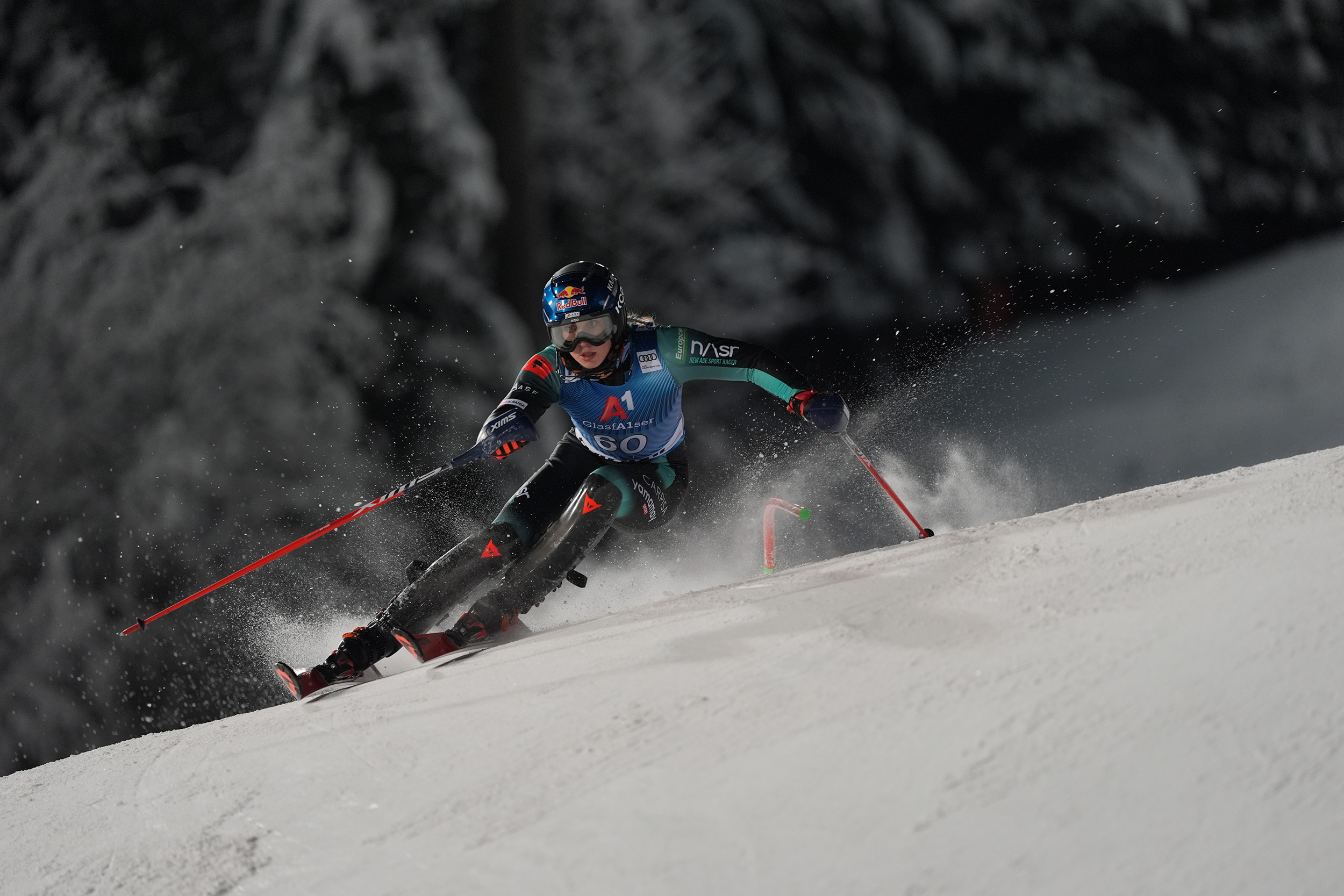 © Giovanni Auletta | Sony α9 III + FE 300mm f/2.8 GM OSS | 1/1600s @ f/2.8, ISO 1600
Lenses
Professional winter sports photographers use a variety of lenses, but a nearly universal choice is the telephoto zoom lens. Photographers may shoot from multiple positions: at the start of the course, next to the jump, slalom posts, the finish line, and, of course, the podium. When moving from place to place, the flexibility of a zoom lens is vital.
The Sony FE 70-200mm f/2.8 GM OSS II lens and its exceptional image quality is a strong choice for most situations. Whilst the FE 100-400mm f/4.5-5.6 GM OSS has become a classic for sports photographers, offering an impressive range in a lightweight design. Given the bright conditions created by white snow, an f/2.8 aperture isn’t always necessary to keep ISO low enough to achieve optimal image quality.
For snowboard parks, where you may be closer to the action for tricks and jumps, the classic FE 24-70mm f/2.8 GM II lens can be used for wide-angle shots to show the surroundings, whilst the 70mm focal length should still keep you a safe enough distance from the action.
Finally, a wide-angle lens such as the FE 16-35mm f/2.8 GM II lens is ideal for dramatic, low-to-the-ground, super-wide-angle shots that show snowboarders flying through the air amongst the alpine environment.
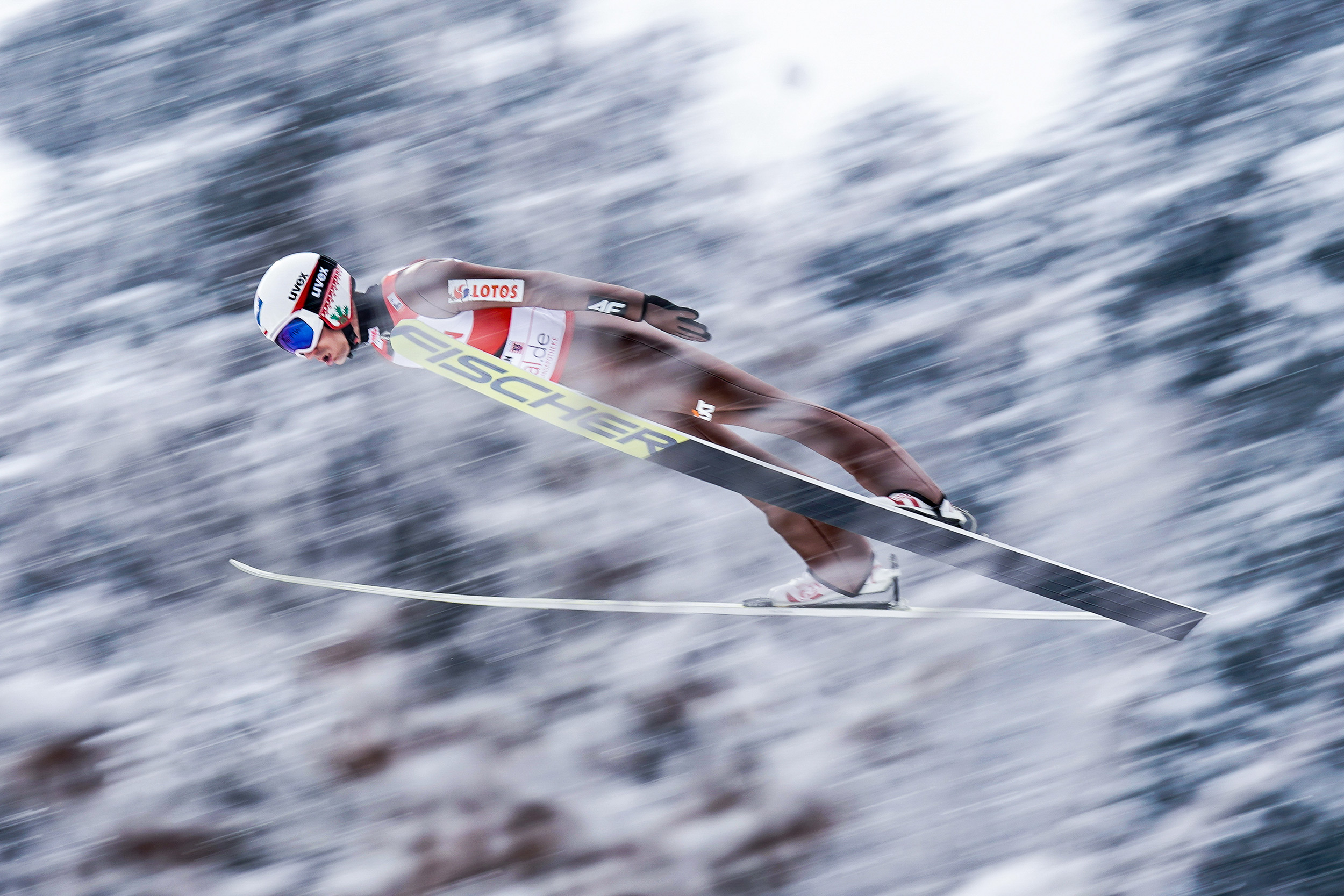 © Tomasz Markowski | Sony α9 + FE 70-200mm f/2.8 GM OSS | 1/125s @ f/6.3, ISO 200
Camera Choice
Get your lens choice and shutter speed right, and almost any Sony camera can capture great winter sports images. Some cameras do have their advantages. To ensure you capture the perfect moment, the Sony Alpha 9 III is unmatched, featuring a groundbreaking global shutter that enables continuous shooting at up to 120fps and 24.6 megapixels, plus pre-capture, so you never miss a moment. Meanwhile, the Sony Alpha 1 II and Sony Alpha 7 V can also shoot at up to 30 fps with Pre-Capture at 50.1 megapixels and 33 megapixels, respectively.
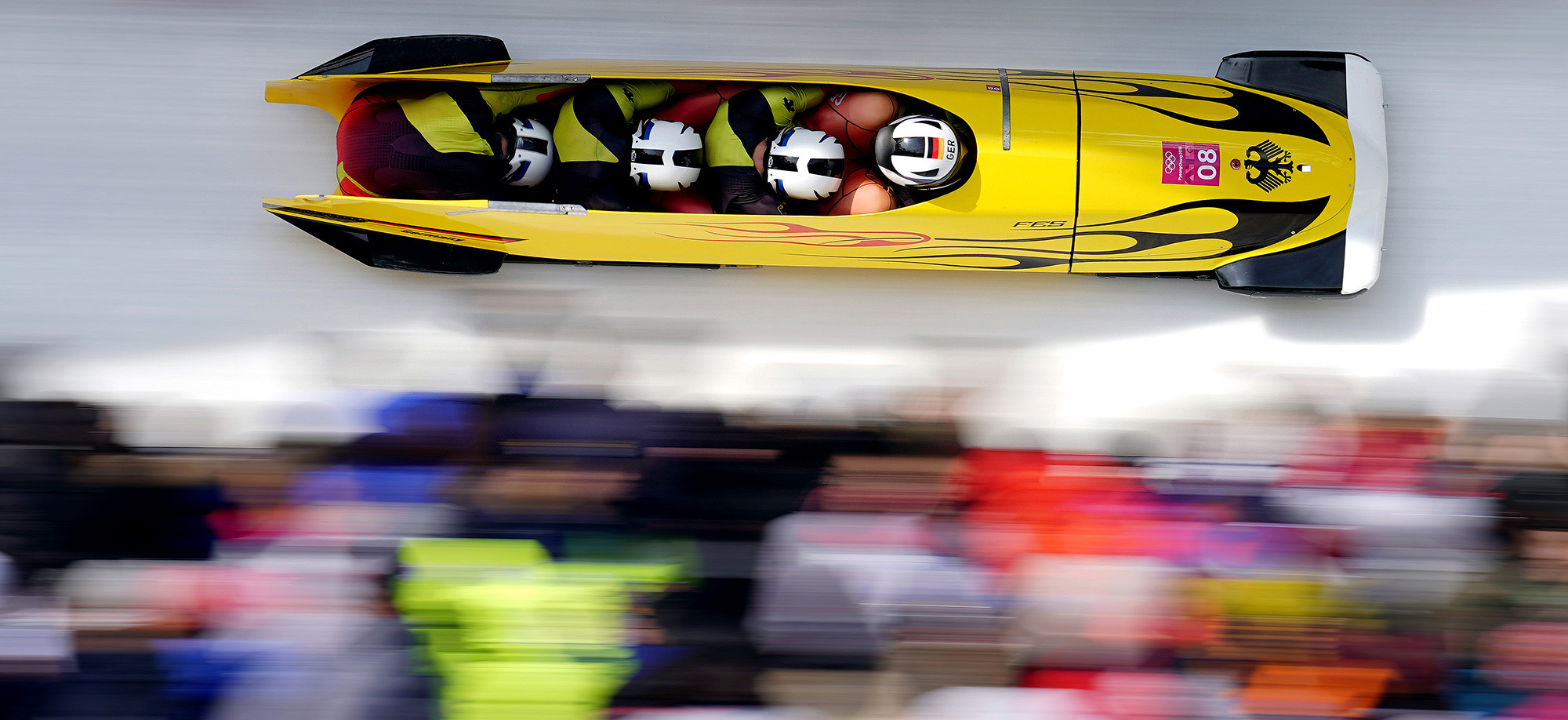 © Bob Martin | Sony α9 + FE 100-400mm f/4.5-5.6 GM OSS | 1/80s @ f/11, ISO 50
White Balance
Bright white snow can be tricky to shoot, and it is rare for the snow to appear neutral throughout the scene. If you set your white balance to a bright area, shadow areas will have a blue tint. Conversely, if you set your white balance to produce a neutral tone in shadow areas, you will have warmer highlights. Neither is right or wrong; it comes down to personal taste and how sunlight or overcast conditions interact with your scene. When shooting sports where you want consistency across images, it is best to use Daylight, Shaded, or a manual white balance and shoot in raw so you can fine-tune to your taste in editing.
For more on selecting white balance in snowy conditions, see our Top Tips for Winter Landscapes article.


