
A New Beginning
Gustav Kiburg
For this shoot, we travelled to the Saltee Islands, just off the south coast of Ireland. June is a special time there, as puffins return from the sea carrying fish for their young. Alongside razorbills and guillemots, these fast, agile birds created the perfect challenge for testing the new RX10 V.
As a professional wildlife photographer and long-time Alpha full-frame user, what were your first impressions when picking up the RX10 V? Were there any features that immediately surprised you?
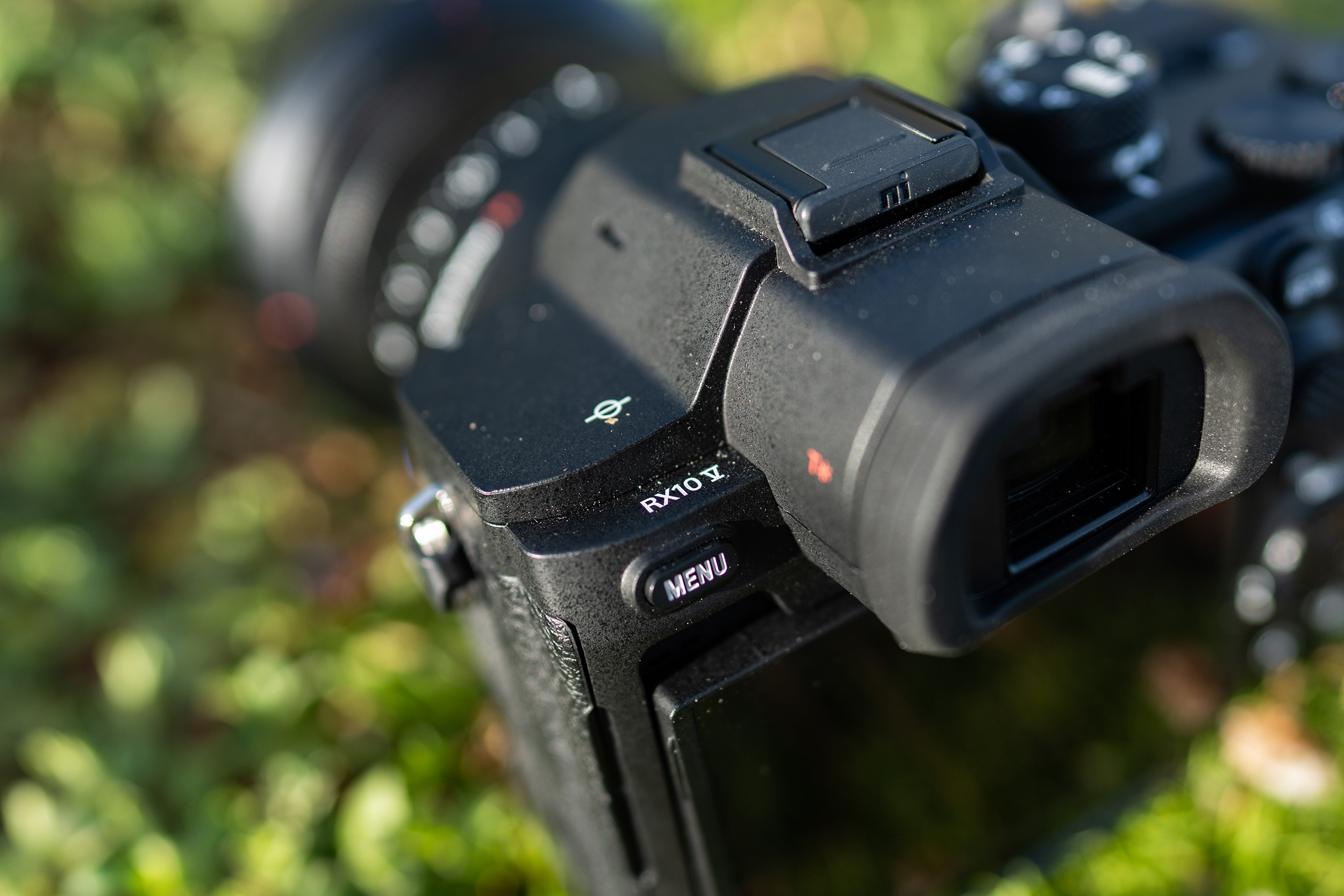
The first impression of any camera always comes from the way it looks and feels, even before you turn it on. The RX10 V feels very professional in the hand, almost like an Alpha-style body.
Once I switched it on and started shooting, I immediately noticed how much the autofocus had improved over the previous version. The AI-powered autofocus now allows you to select animals and birds as subject targets, which is a big advantage for wildlife photography.
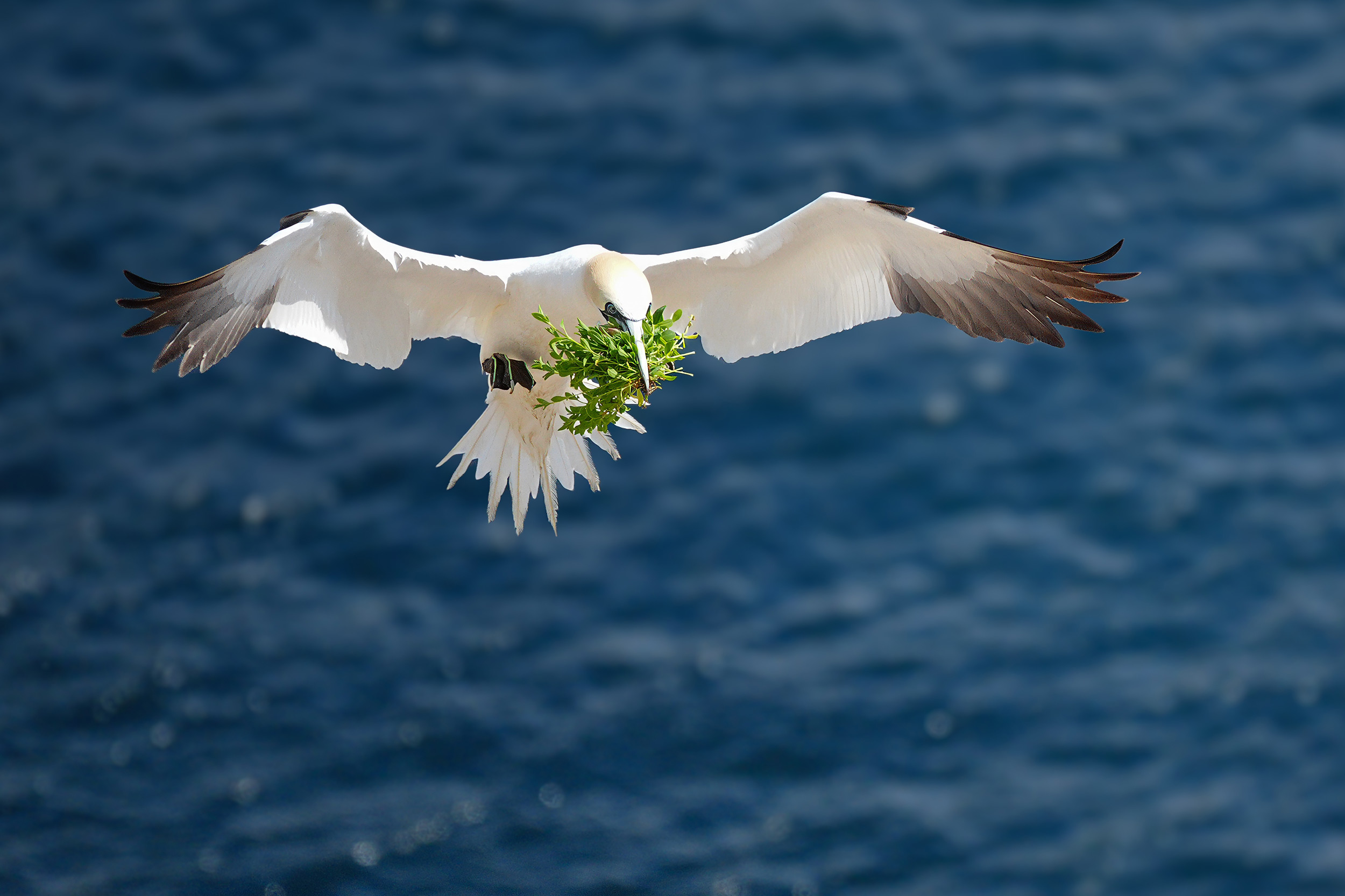 © Gustav Kiburg | Sony RX10 V | 1/2500s @ f/4.0, ISO 500
I also really like that Sony kept the same focal range as its predecessor. It gives me the flexibility to shoot both landscapes and close-ups with one camera. For birds in flight, I like using 30fps, and the blackout-free shooting gives me much more control when tracking fast-moving subjects.
The Speed Boost function is also very useful because it gives me more control over the number of images I shoot. I also noticed that the battery life has improved, giving me enough power for almost a full day of shooting.
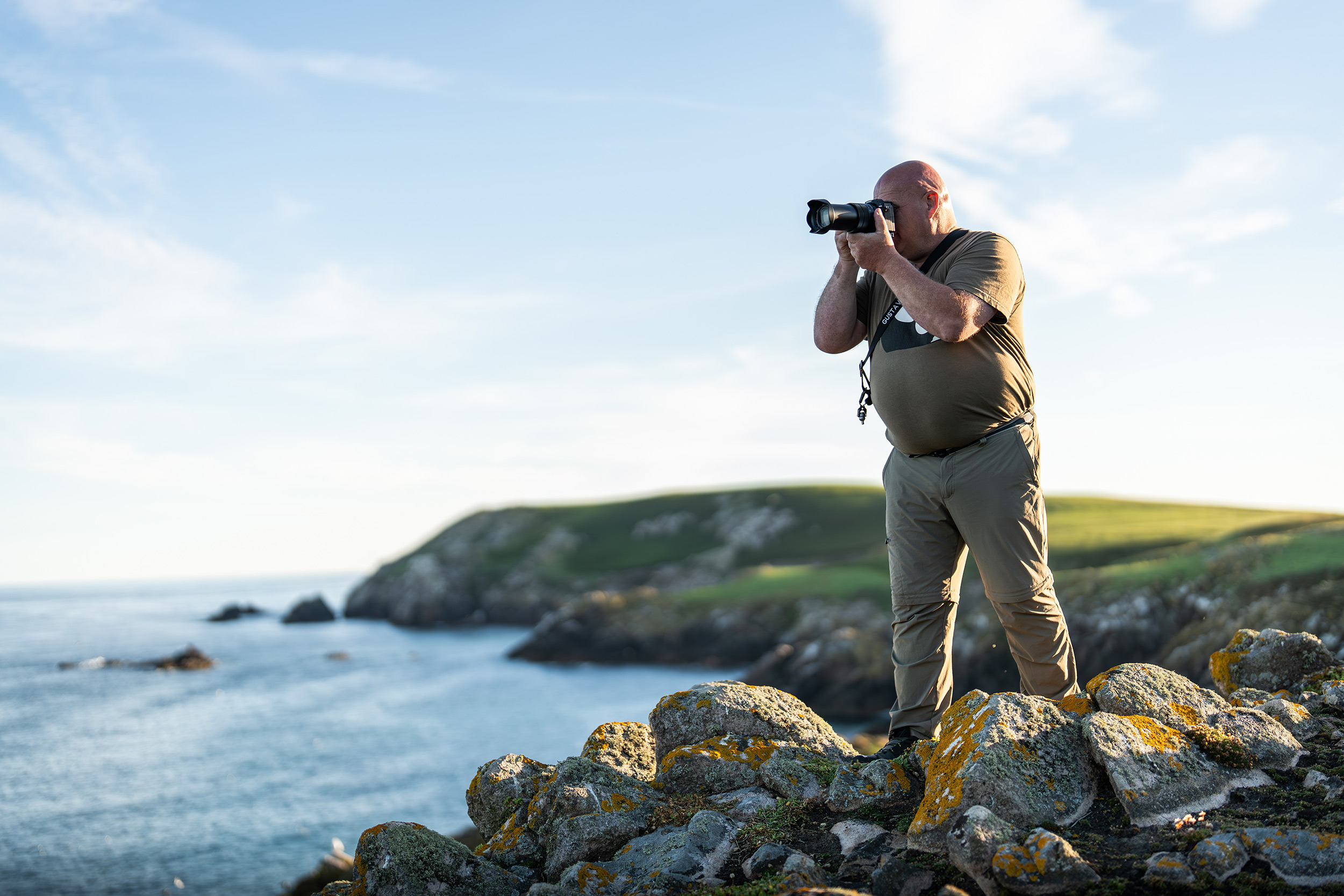 © Gustav Kiburg
How will those features impact or help the type of photography and content creation you, and others in the same field, do?
With bird photography, and especially when photographing birds in flight, sometimes a moment only happens once. That means good autofocus and reliable tracking are incredibly important, because they increase the number of shots I can keep.
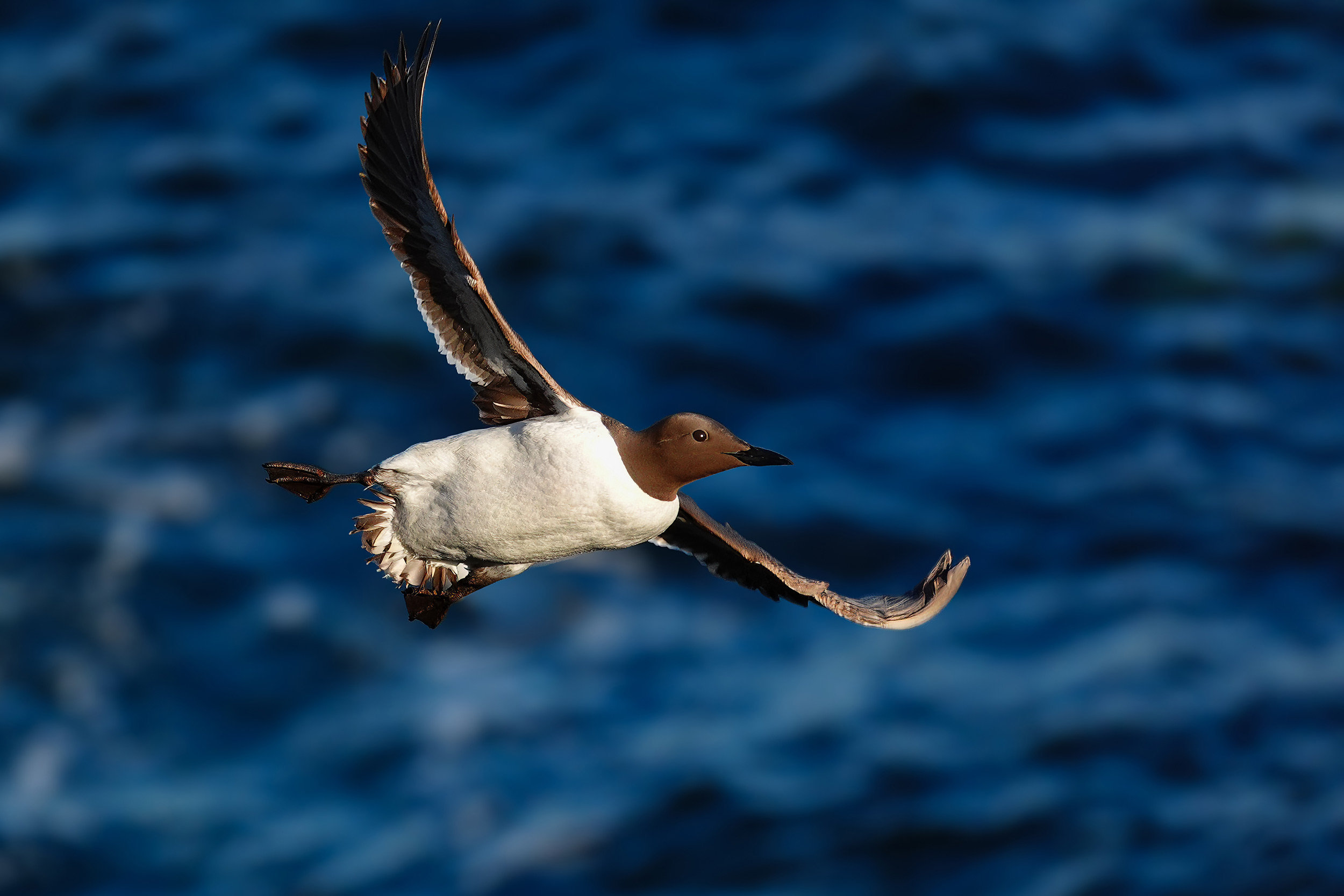 © Gustav Kiburg | Sony RX10 V | 1/2500s @ f/4.0, ISO 400
When shooting flying birds, it is also important to use a fast shutter speed to make sure everything is sharp. At shutter speeds such as 1/2500, having a bright lens makes a big difference. The 24-600mm lens offers f/4 at 600mm, which means I can keep my ISO lower while still achieving a shallow depth of field.
I also noticed that the low-light performance has improved, which gives me more confidence to use higher ISO settings when needed.
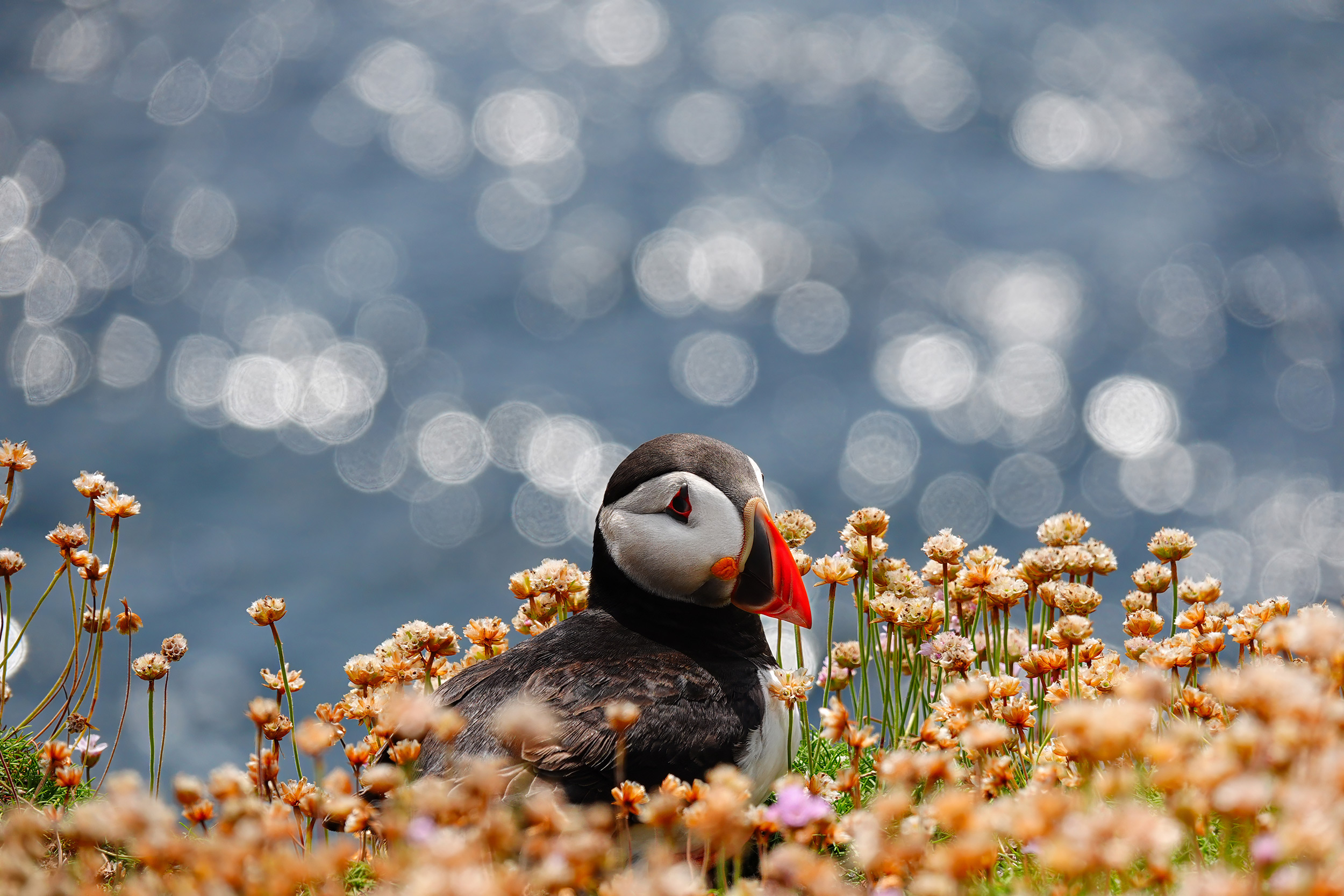 © Gustav Kiburg | Sony RX10 V | 1/1250s @ f/4.0, ISO 200
The RX10 V introduces AI-powered subject recognition for animals, alongside blackout-free shooting at up to 30fps. How did these technologies perform in real-world wildlife situations?
I really enjoy blackout-free shooting because it allows me to keep focusing on the bird, rather than being distracted by the camera. Being able to photograph birds at up to 30fps means I am much less likely to miss the exact moment I want.
The tracking has also clearly improved. I especially noticed this when I was focusing on a bird with a black head, and the camera was still able to recognise the eye. That gave me a lot of confidence while shooting in real wildlife situations.
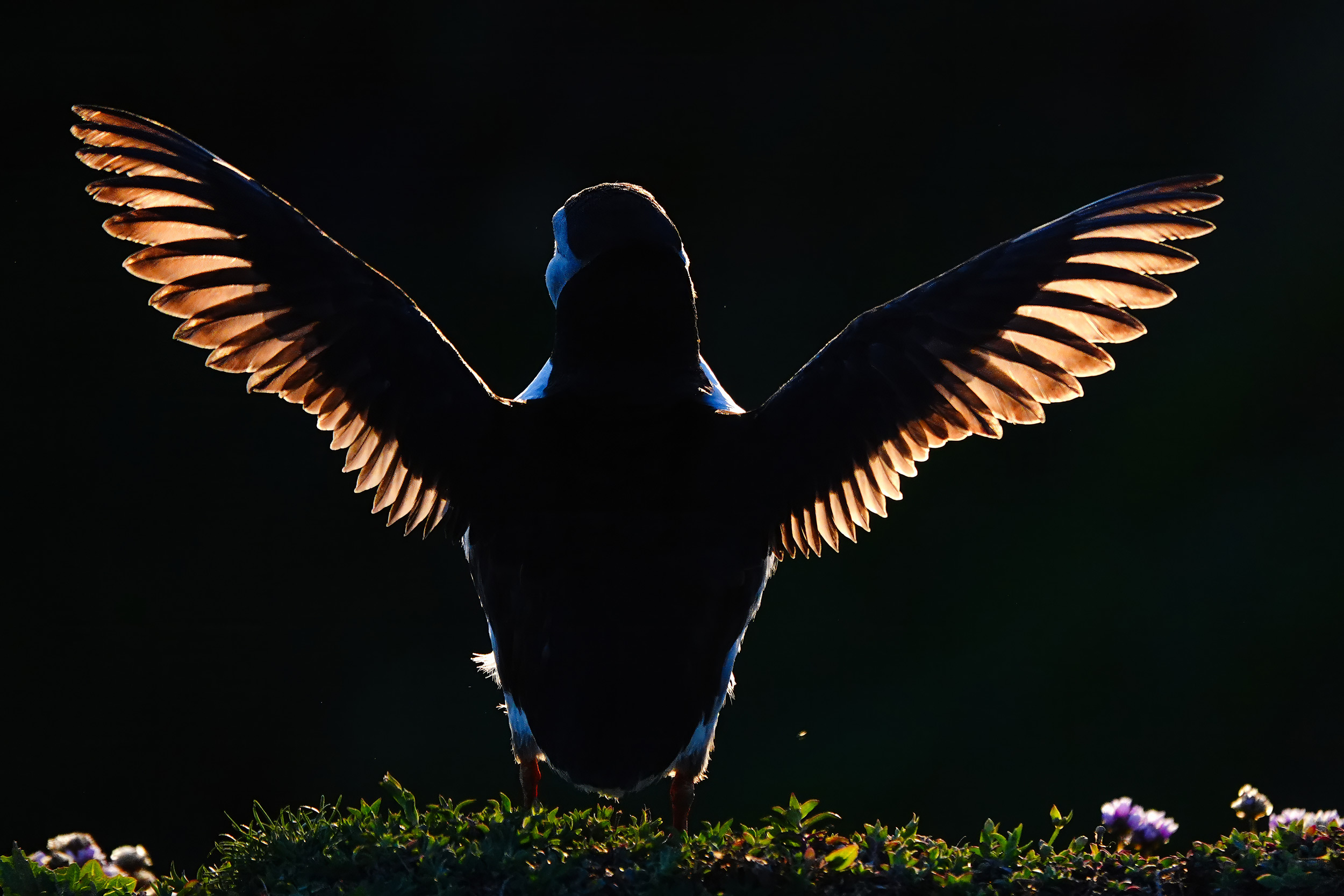 © Gustav Kiburg | Sony RX10 V | 1/1250s @ f/4.0, ISO 1250
Where did the RX10 V exceed your expectations, and in which situations would you choose it over carrying a traditional interchangeable-lens system?
I would choose this camera over my professional setup when I want to shoot a more versatile range of subjects. Sometimes I also want to shoot macro images, and this camera gives me the opportunity to have everything in one system.
What I really like is that the RX10 V feels so complete, but it is still lightweight enough to take with me all the time - even in situations where I might normally leave a camera behind. The best camera is the camera you actually bring with you.
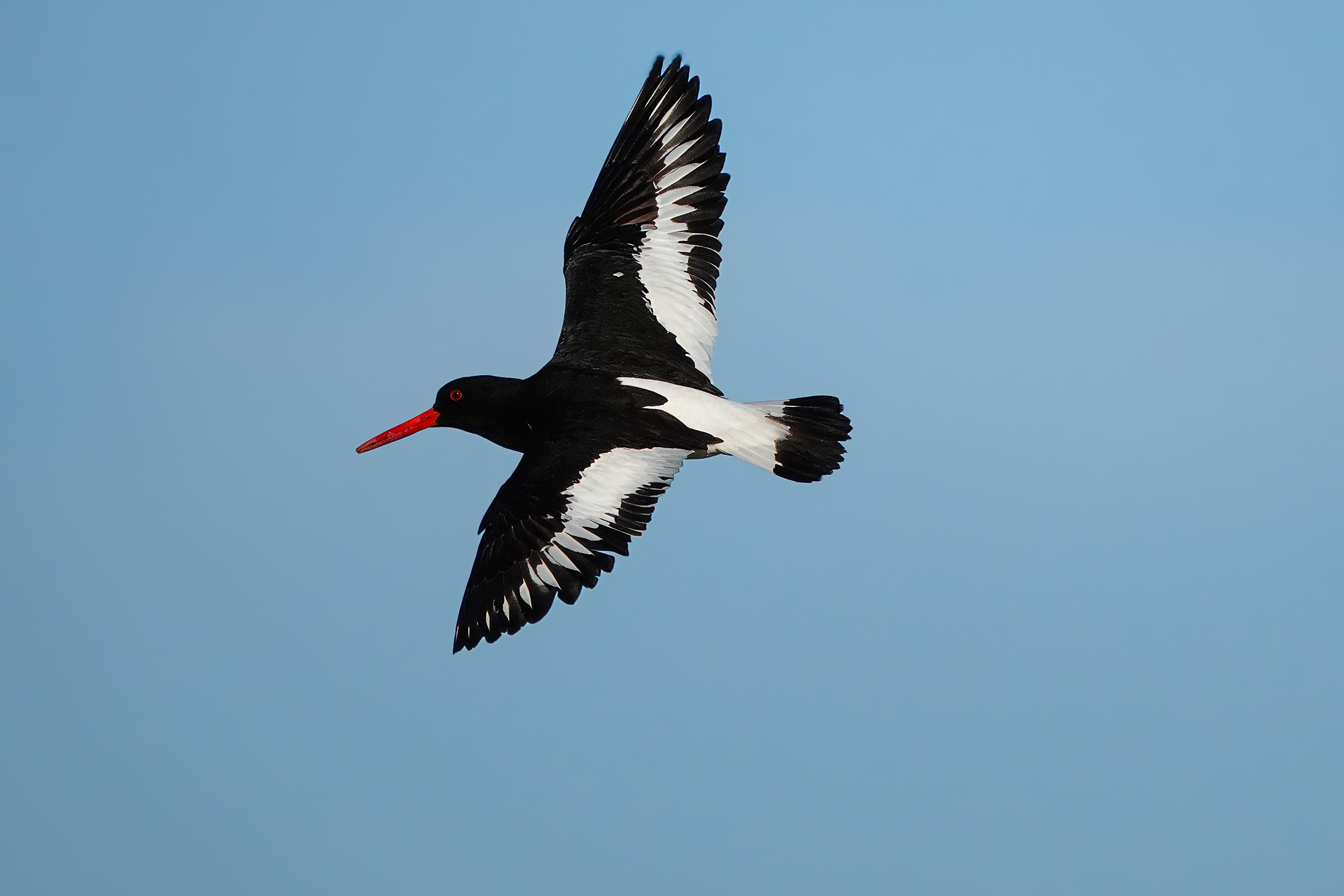 © Gustav Kiburg | Sony RX10 V | 1/12,800s @ f/4.0, ISO 640
I think this would be an amazing camera for people who do not want to carry heavy equipment all the time, but still want to enjoy photography and come home with high-quality images from their trips. It is also a great step for enthusiasts who want to move closer to a more professional-looking final result without needing a full interchangeable-lens setup.
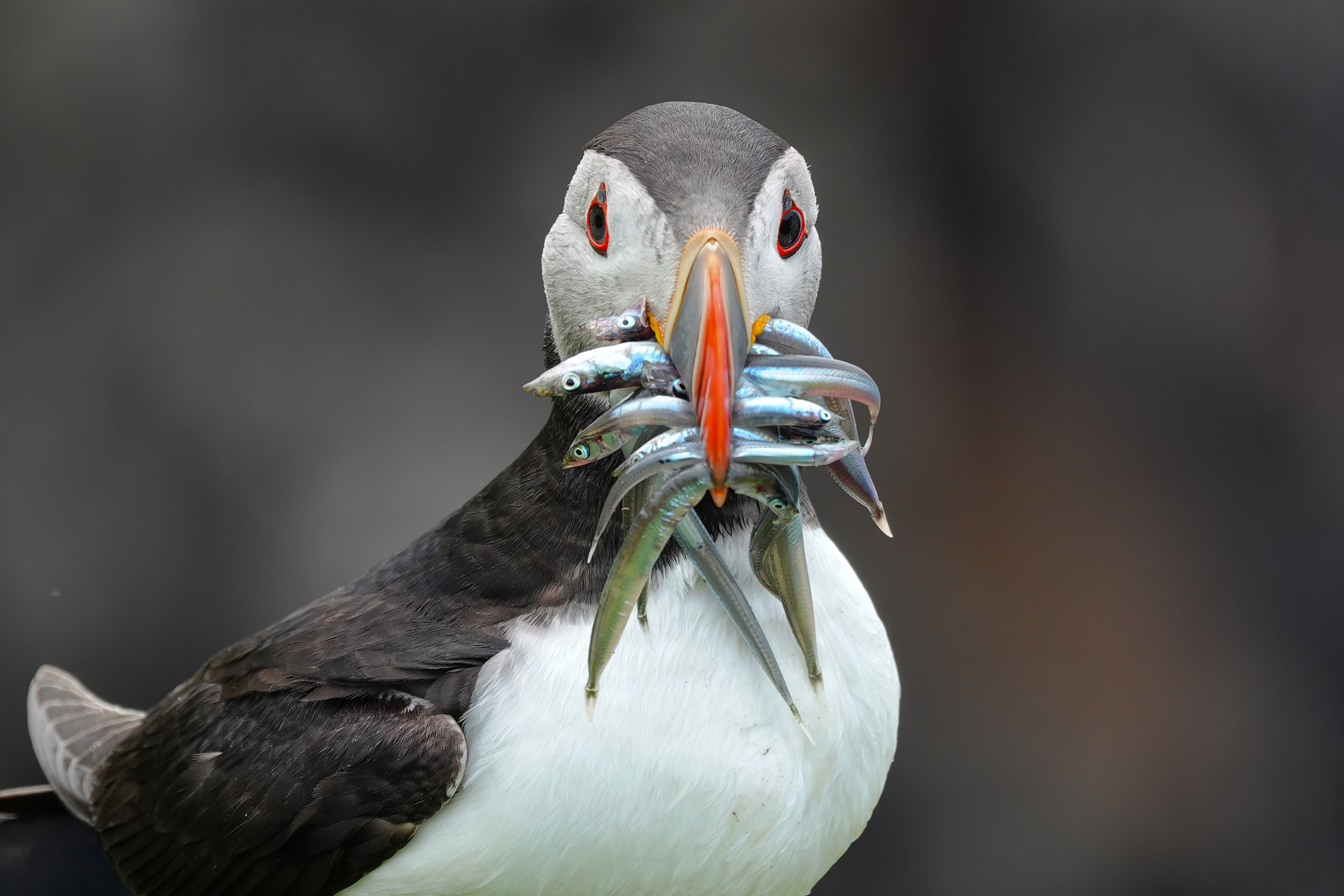 © Gustav Kiburg | Sony RX10 V | 1/1250s @ f/4.0, ISO 400
Wildlife photography often requires balancing image quality, reach and portability. How successful do you think the RX10 V is in achieving that balance, and who would benefit most from this camera?
For wildlife photography, I think the RX10 V offers a great balance between image quality, reach and portability. The ZEISS® Vario-Sonnar T* 24-600mm F2.4-4 lens gives photographers the flexibility to capture everything from small birds in the distance to larger wildlife, without needing to carry multiple lenses or a heavy camera bag.
That makes it an excellent choice for birdwatchers, nature enthusiasts and people going on safari who want an all-in-one solution. The fast autofocus and long zoom range help you capture moments that might otherwise be missed, while the compact design makes it easy to carry with you all day.
 © Gustav Kiburg
After spending time with the RX10 V in the field, what advice would you give to photographers considering it for wildlife photography, and what was your favourite image or moment from the experience?
With the RX10 V, I think it is important to really get to know the camera before you go out and shoot. There are so many amazing features that can help you create the shot you have always wanted to make, but you need to be ready when that moment happens.
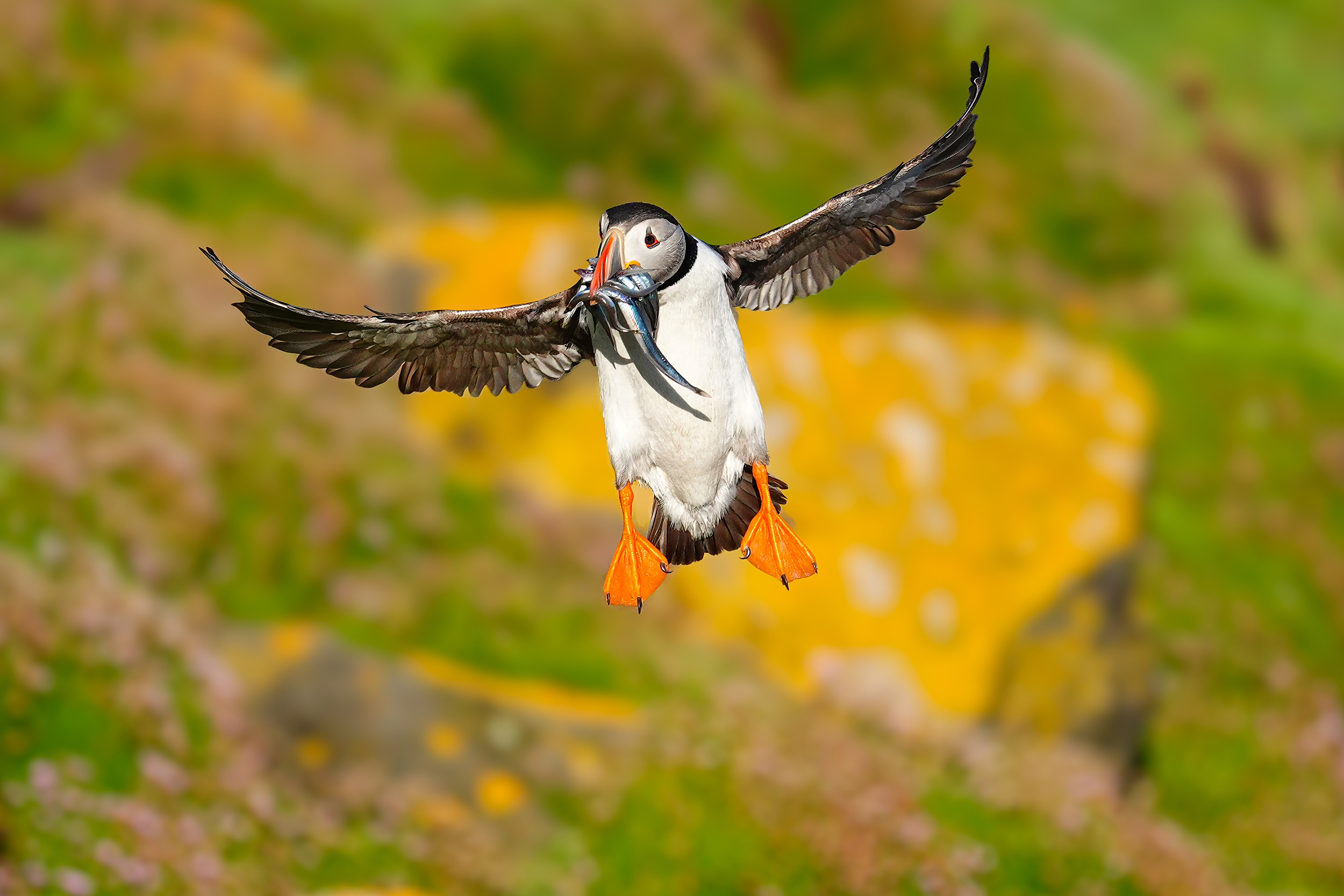 © Gustav Kiburg | Sony RX10 V | 1/5000s @ f/4.0, ISO 640
My favourite shot from Ireland was of a flying puffin carrying fish in its beak. I have travelled to the Saltee Islands many times, but I never get tired of photographing these small, colourful birds. That moment is always special.
Featured products


Gustav Kiburg | Netherlands
"Bad weather is colour weather"


