
Costa Rica – Into the Rainforest
Rob Murray
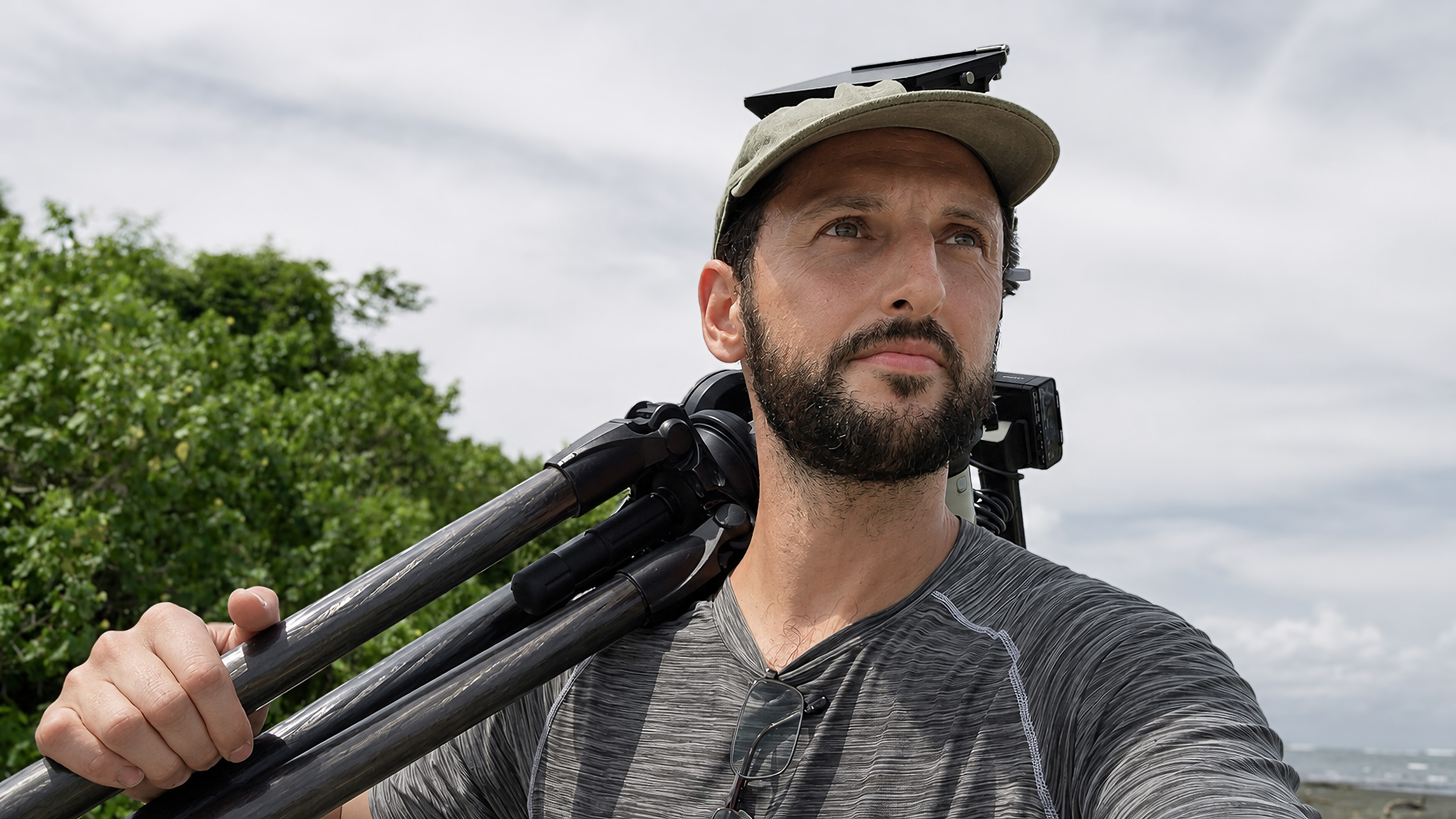
I’m a wildlife cinematographer and independent producer-director, specialising in films that explore the relationship between people and the natural world. I’ve always been drawn to stories that go beyond simply presenting wildlife on screen, looking instead at how people and animals coexist, the pressures they face, and the solutions that allow both to thrive.
For this project, I wanted to film on Costa Rica’s Osa Peninsula, one of the most biodiverse places on Earth. It covers only a tiny area of the planet’s surface, yet supports an extraordinary concentration of wildlife and stands as one of the world’s great conservation success stories. After years documenting conflict between people and nature, I wanted to tell a more hopeful story: one that shows what can happen when ecosystems are given the chance to recover.
I also wanted to test what is possible as a solo filmmaker. With many wildlife productions now working with smaller crews and tighter budgets, this was an opportunity to see whether one person, carrying only essential equipment, could still capture behaviour and imagery strong enough for high-end natural history storytelling.
 © Rob Murray
Costa Rica has an incredible conservation story, but I didn’t want the film to feel driven by facts and statistics. I wanted audiences to feel the rainforest before they understood it.
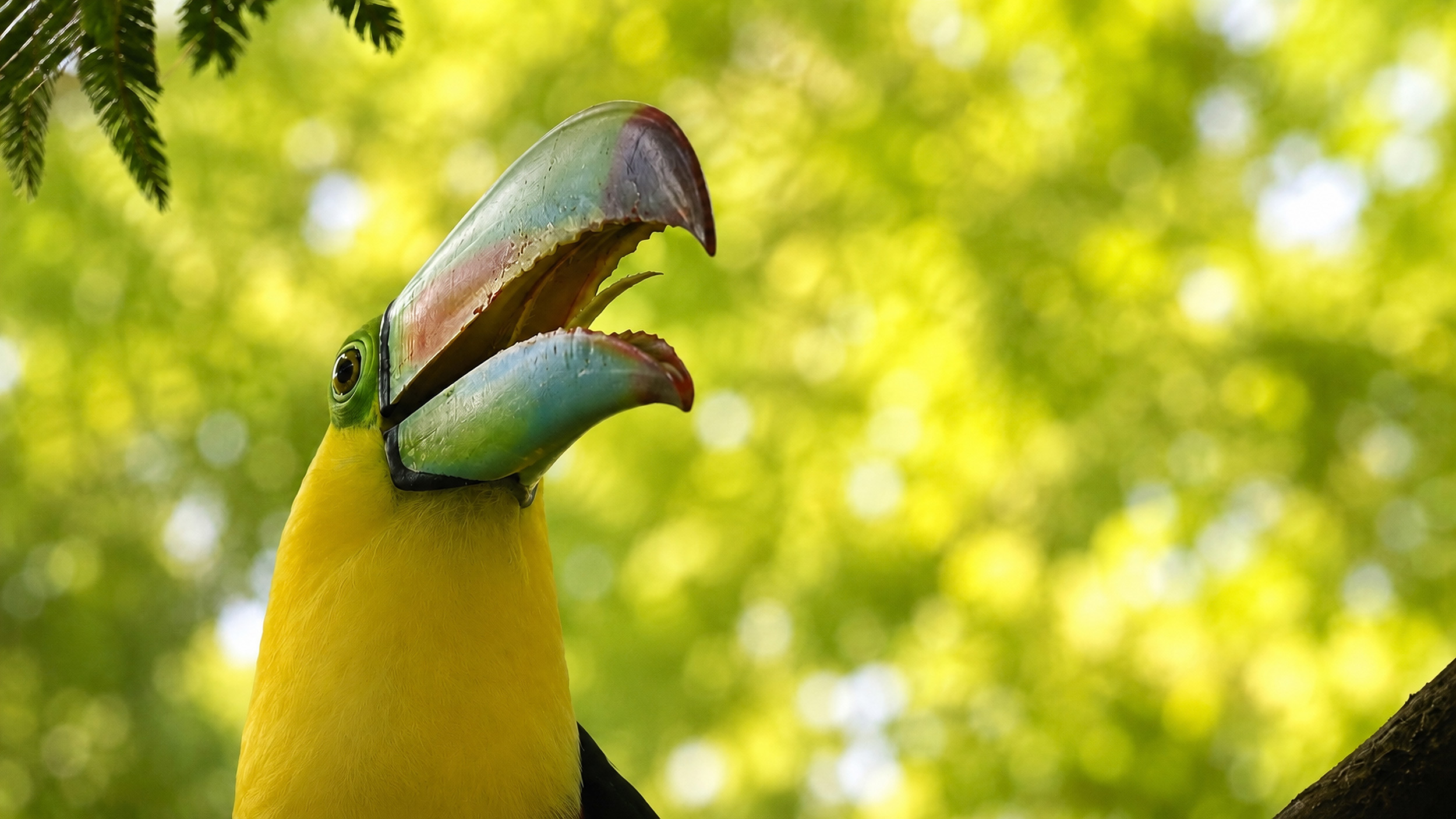
The rainforest is full of atmosphere: the shifting light under the canopy, the soundscape before sunrise, mist moving through the trees. Those moments are as important as the animals themselves. A slower, more poetic approach also reflects the message of the film. This is not a place defined by destruction, but by recovery. From insects to tapirs and scarlet macaws, every species plays a role in rebuilding the forest.
 © Rob Murray
How important was the faster sensor readout?
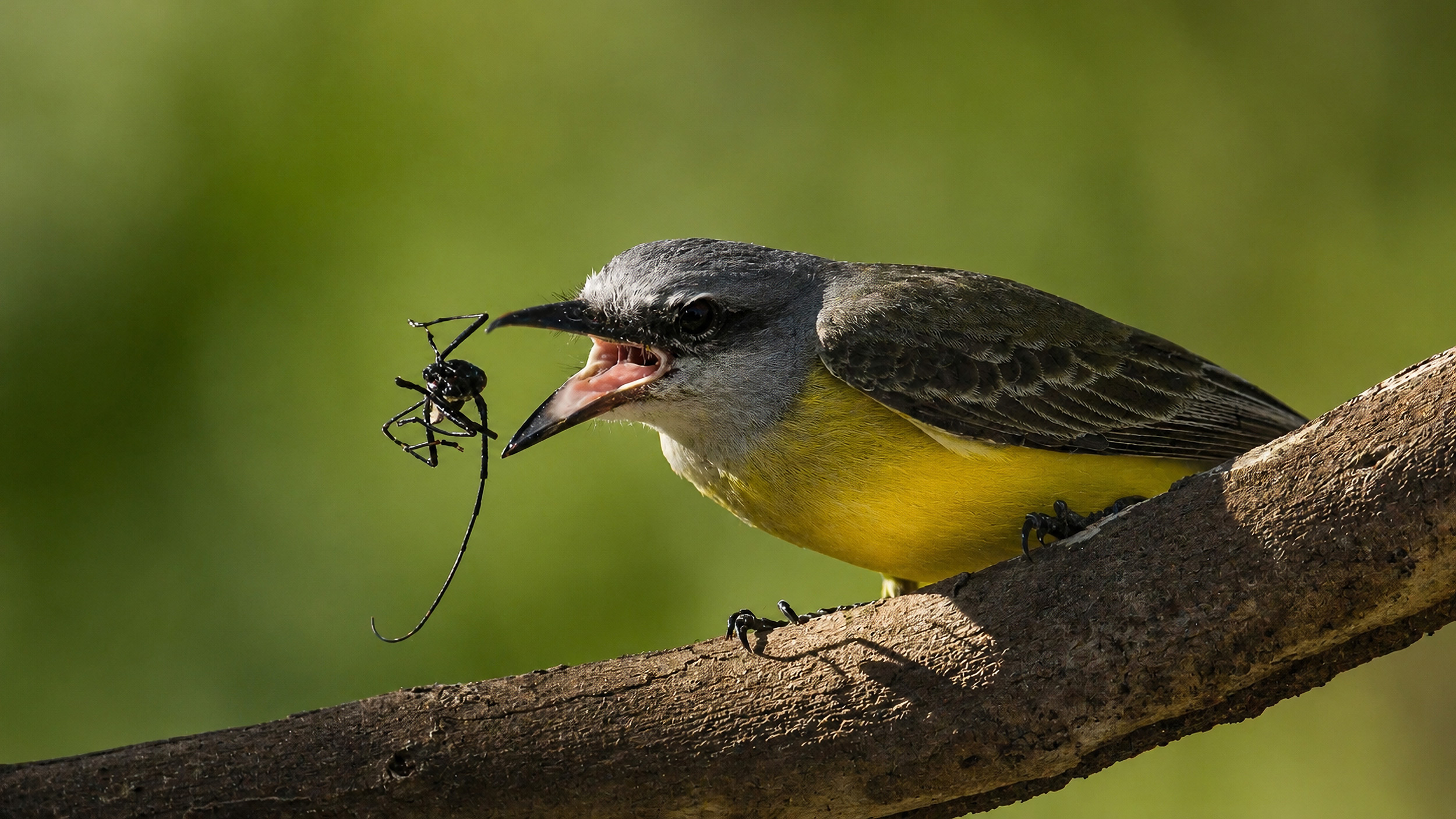
Wildlife is one of the toughest environments for any camera. Animals rarely move when expected, and often you only have seconds to react. In dense rainforest, fast pans through trees can easily reveal rolling shutter issues.
One of the first things I noticed with the new FX5 was the confidence it gave me when following unpredictable movement. Whether tracking spider monkeys through the canopy or birds taking flight, I wasn’t thinking about the camera’s limitations. I could simply respond to the behaviour as it happened.
For wildlife filmmaking, that matters enormously. Behaviour only happens once, and removing technical barriers lets you focus on storytelling.
 © Rob Murray
How did you maintain visual continuity across different environments?
Costa Rica changes constantly. I was filming inside dark rainforest, along bright coastline, near rivers and waterfalls, and in open clearings under harsh tropical sun.
Recording internally in 16-bit X-OCN gave me huge confidence. Rather than trying to create a finished look in-camera, I could focus on exposure and preserve as much image information as possible for the grade.
Because I often colour my own projects, I’m always thinking about the final image while filming. If I wanted a dawn sequence to feel cooler or more atmospheric, I knew the files would give me room to shape that later. The RAW workflow allowed each location to keep its own character while still feeling part of one cinematic world.
How useful was the new display?
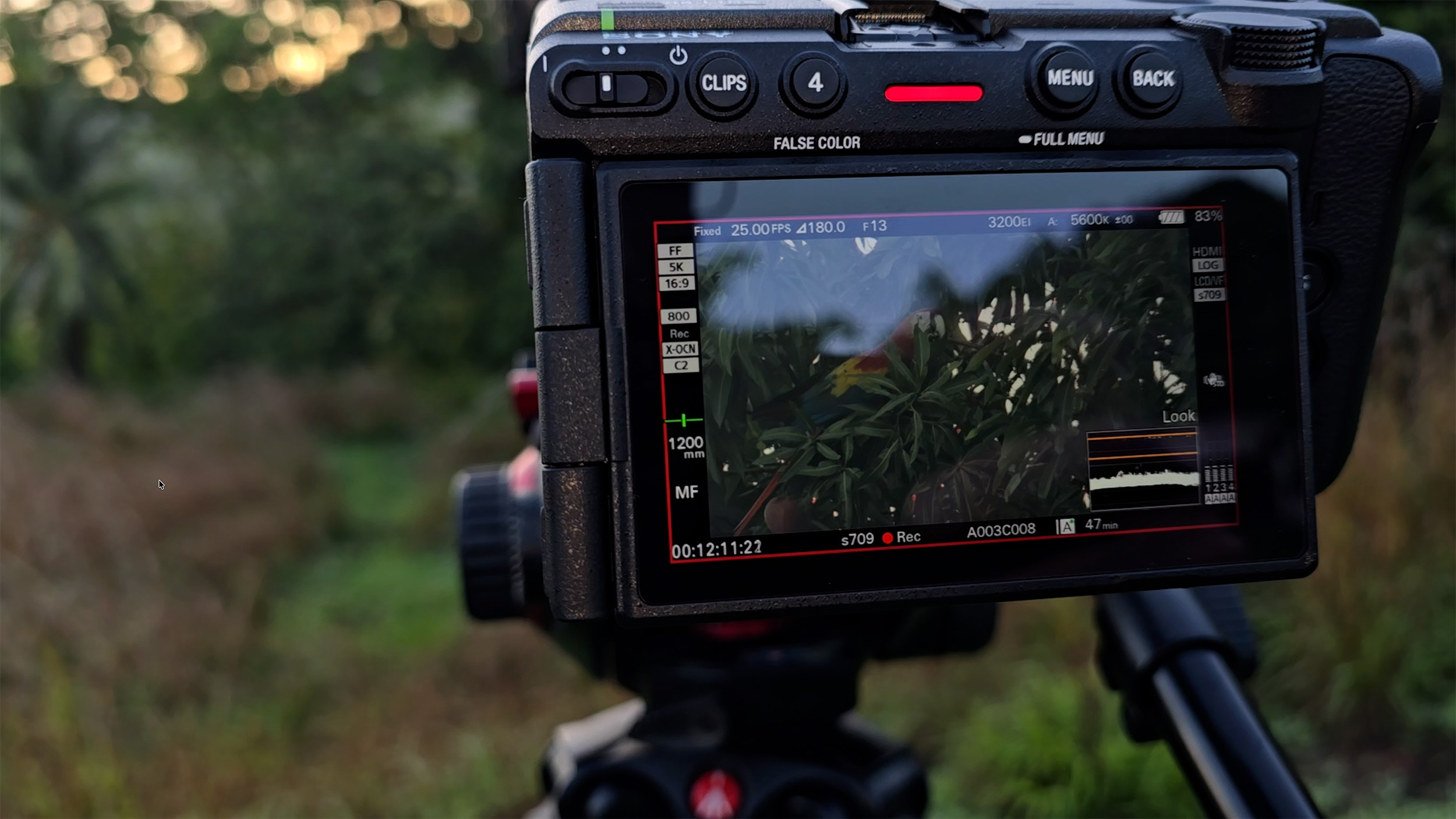
As a mostly solo wildlife filmmaker, I rarely have a focus puller or external monitor. Everything has to be carried through difficult terrain, so keeping the setup compact is essential.
The larger 3.5-inch widescreen display made a real difference, especially when manually focusing long lenses with extremely shallow depth of field. The native 16:9 screen also made composition cleaner and more accurate.
I especially liked being able to switch quickly between a clean image and shooting information. For wildlife, focus and composition are everything, and the uncluttered display made the camera feel like a true cinema tool.
 © Rob Murray
Did the removable EVF help?
Absolutely. In tropical environments, judging exposure on an LCD can be incredibly difficult, especially in bright coastal light or when pointing into the canopy. The removable EVF gave me a reliable way to check focus and exposure in any conditions without adding a bulky external monitor.
That is a major advantage in the field. It reduces risk, keeps the camera compact, and helps ensure shots hold up when viewed properly later.
Did the CineAlta-style menu system make a difference?
One moment that stood out was while filming scarlet macaws. They had been feeding high in the canopy when they suddenly swooped down and began crushing fruit, dropping pieces into the sea below. The behaviour changed in seconds.
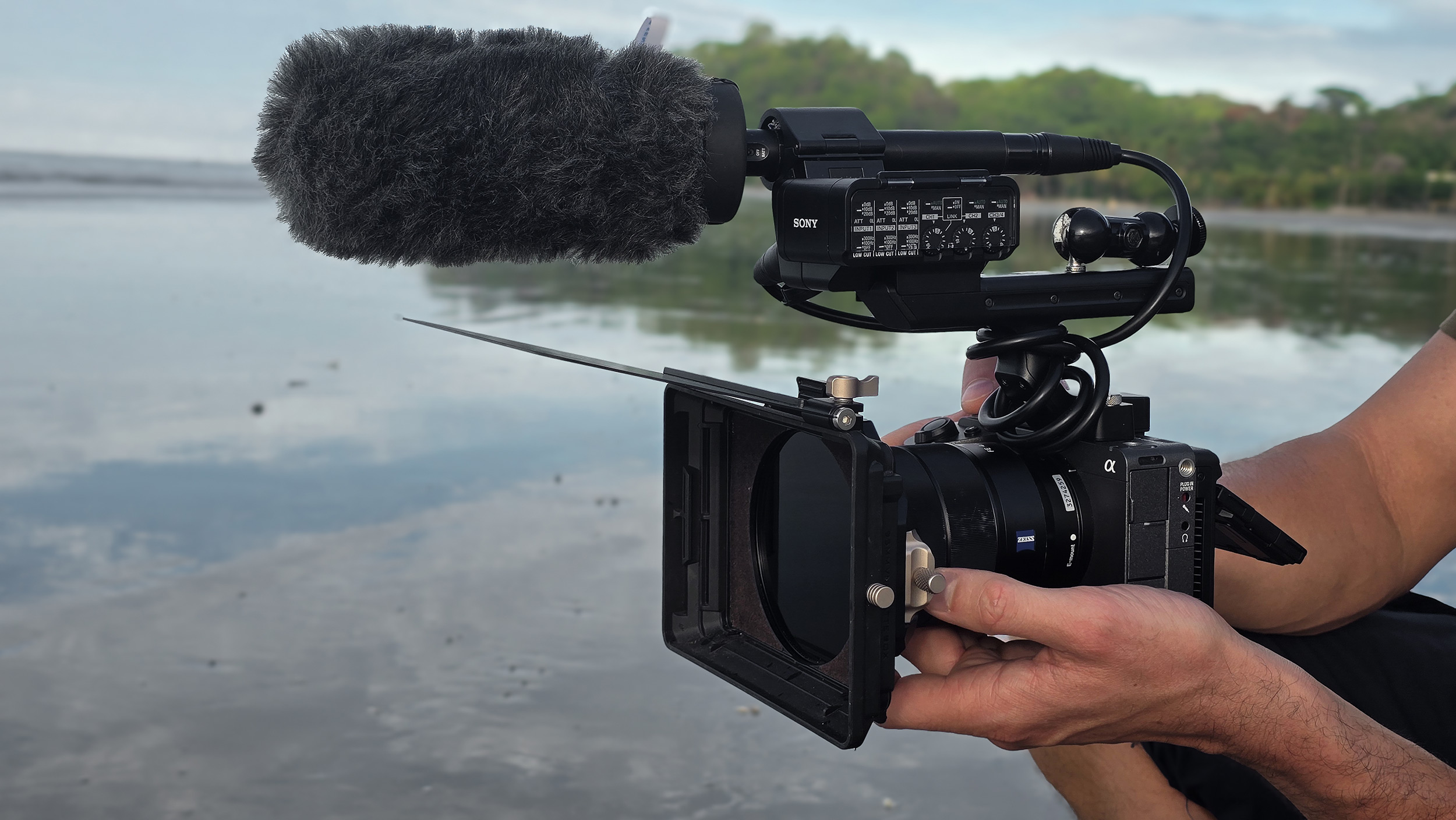
I quickly moved from full-resolution capture to 3.8K, increased the frame rate to 240fps and adjusted exposure for the changing light. The cinema-first menu system made those changes feel intuitive. The settings I needed were where I expected them to be.
In wildlife filmmaking, if you are still searching through menus, the moment is gone. The camera let me stay with the action.
 © Rob Murray
How did internal 16-bit X-OCN affect remote shooting?
In the rainforest, image quality has to be balanced with practicality. Power is limited, storage matters, and some days you film from dawn until dusk.
The X-OCN C1 and C2 options were extremely useful. For longer behavioural sequences, I could choose a more efficient format without feeling I was making a serious compromise. That reduced storage, sped up transfers and made backups far more manageable in remote locations.
The biggest advantage, though, was recording internally. External RAW recorders can produce great images, but they add weight, cables, batteries and failure points. When hiking through rainforest, every extra accessory becomes something that can snag, slow you down or break. Internal RAW made the camera feel streamlined and practical.
How did the footage hold up in post?
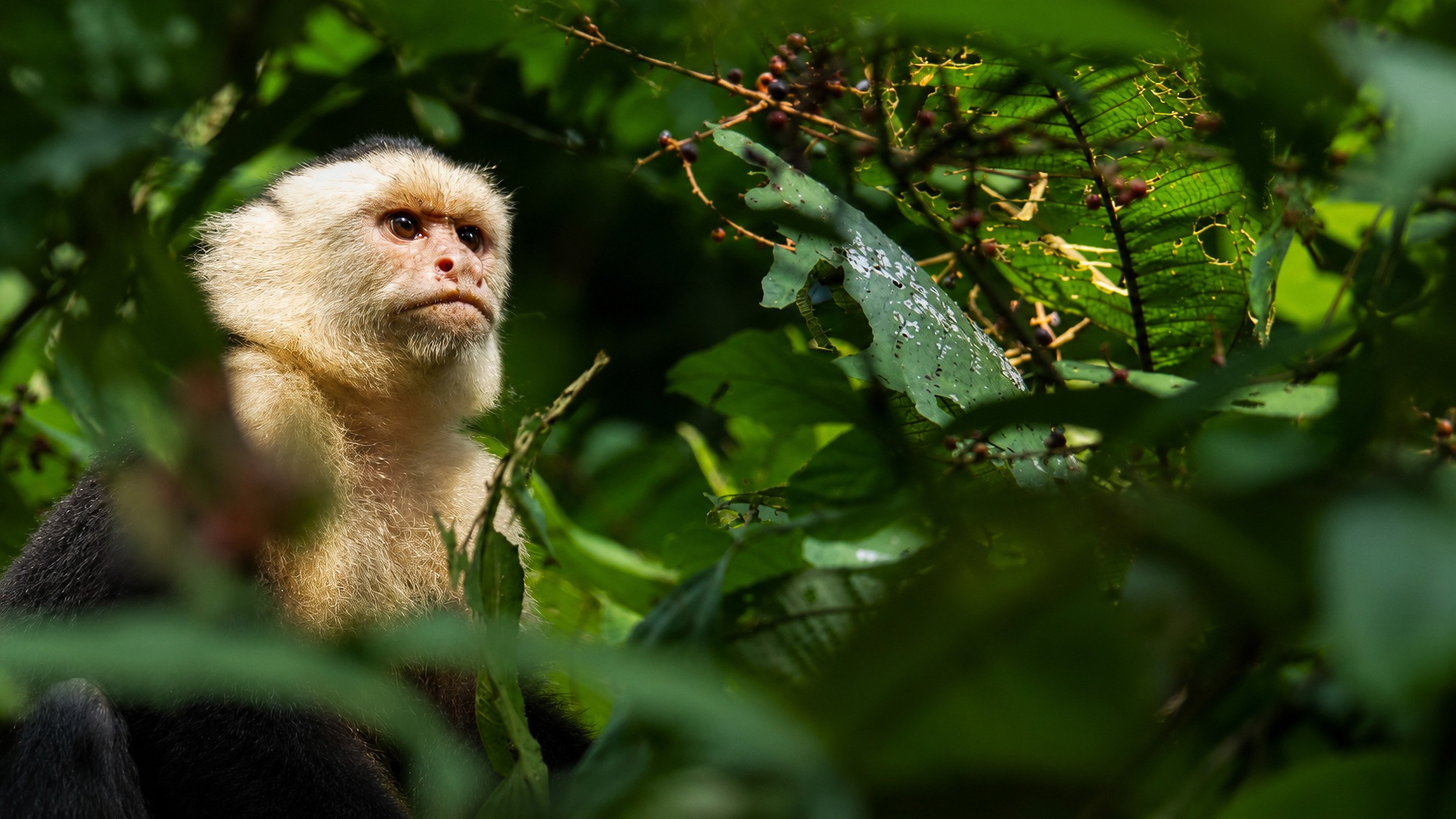
The first thing I noticed was how much information the 16-bit X-OCN files retained. In rainforest conditions, you often have bright shafts of sunlight cutting through deep shadow. Normally that forces compromise, but these files allowed me to recover highlights and lift darker areas without the image falling apart.
It also gave me creative freedom. I could shape the warmth of sunrise, the coolness beneath the canopy and the rich greens of the rainforest without fighting the footage.
 © Rob Murray
FX3 to FX5
I’ve relied heavily on the FX3, but internal 16-bit X-OCN is a major leap. External RAW setups add size, weight and complexity. The FX5 keeps the compact form factor but offers a workflow much closer to a larger cinema camera.
The CineAlta-inspired interface also changes how the camera feels. It is clearly designed around filmmaking, with frame rates, codecs, monitoring and exposure settings easy to access. It feels less like adapting a hybrid camera and more like using a dedicated cinema tool.
Lenses and Approach
My kit needed to stay lightweight. For long-range wildlife, the Sony FE 200-600mm f/5.6-6.3 G OSS was perfect for distant subjects. Sony’s animal eye autofocus was outstanding, especially when working alone.
The FE 70-200mm f/2.8 GM OSS II was perfect for medium wildlife behaviour, giving reach, speed and a cinematic look. For landscapes and atmosphere, I used the FE 16-35mm f/4 ZA OSS, often handheld to test the camera’s Dynamic Active Stabilisation. The results were impressively smooth. For close-up work, the FE 50mm f/2.8 Macro also performed surprisingly well handheld.
The three native ISOs were another major advantage. ISO 800 worked beautifully in daylight, 12,800 made near-darkness usable, and 4,000 gave more control in shaded daylight. Filming tapirs in extremely low light would have been far harder without that flexibility.
Final Thoughts
What impressed me most is how much Sony has brought from larger cinema cameras into a compact body that genuinely works for solo filmmakers. Internal 16-bit X-OCN, strong autofocus, excellent low-light performance, a CineAlta-style workflow and a lightweight form factor all combine to remove barriers.
I hope viewers leave the film feeling hopeful. The planet faces huge challenges, but places like the Osa Peninsula show that recovery is possible. Small actions matter, whether that means supporting conservation, recycling, or joining local community efforts.
My advice to filmmakers is simple: let the camera simplify your process. Learn the menu system, shoot 16-bit X-OCN when the project allows, and trust the camera to give you room in post. The best cameras disappear into the background, allowing you to focus on light, composition and story. This one does exactly that.


