
Discovering Madeira with the Alpha 7C II
Florian Rouzic
I am Florian Rouzic, a photographer and content creator with a passion for travel and visual storytelling. I love capturing moments that inspire people to escape, while also creating memories that I can hold on to over time.
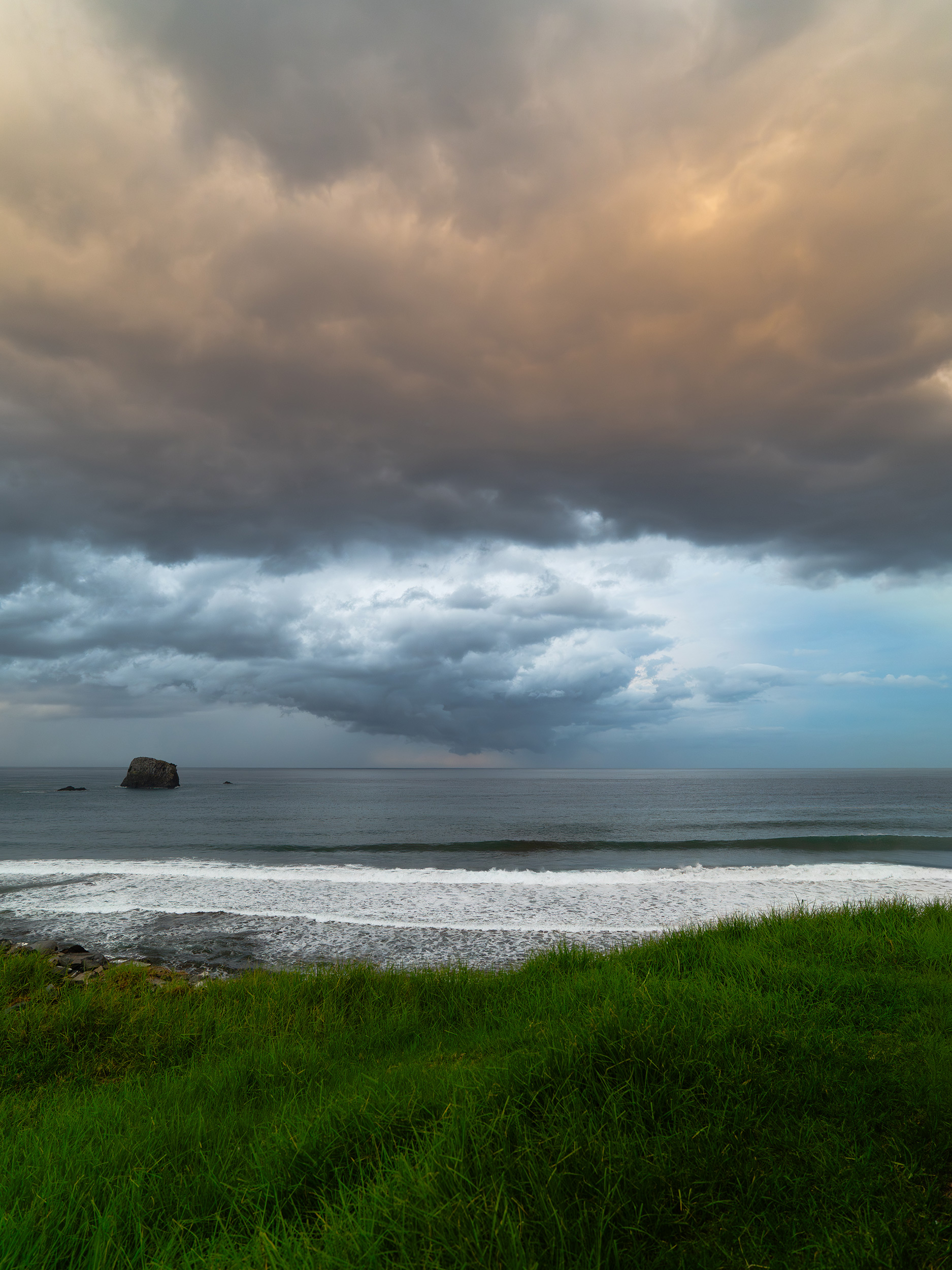 © Florian Rouzic | Sony α7C II + FE 20-70mm f/4 G | 1/125s @ f/4.0, ISO 1600
This project came about quite naturally during a trip to Madeira. As I explored the island, I wanted to translate the atmosphere of the places I was discovering through my own perspective, using immersive, cinematic images. My aim was not simply to show a destination, but to express what it felt like to be there.
It was also during this trip that I chose to work with the Sony Alpha 7C II. I needed a camera body have worked in many very different places, including Iceland, Namibia, Madeira, Japan and the United States. What interests me most when I travel is the variety of environments and moods I encounter. In Iceland, the volcanic landscapes feel raw and elemental. In Namibia, the deserts are immense and open. In Madeira, the mountains and dense forests, such as Fanal, create a completely different atmosphere. In Tokyo, Japan, the energy is much more urban, fast-paced and rhythmic.
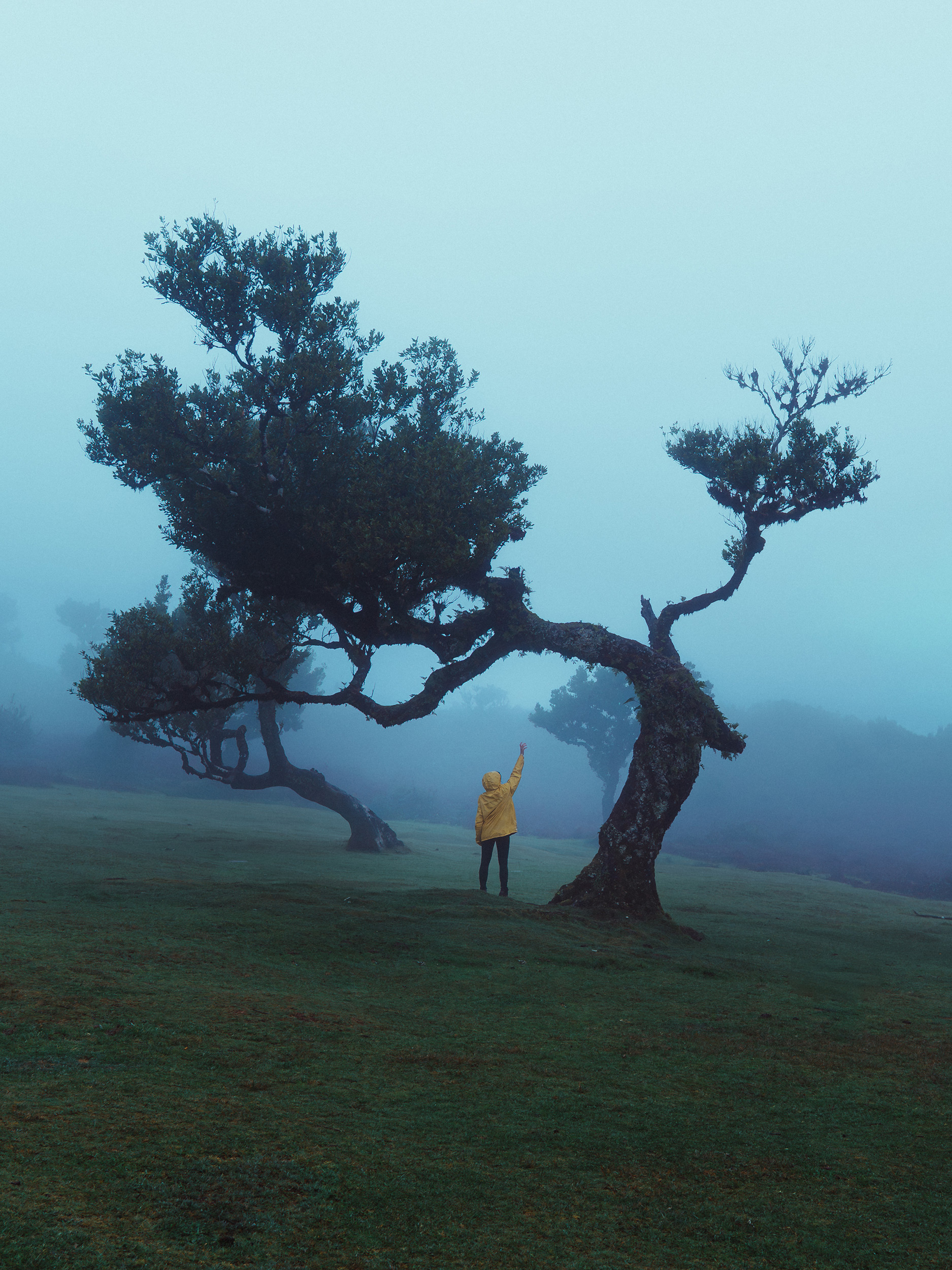 © Florian Rouzic | Sony α7C II + FE 20-70mm f/4 G | 1/160s @ f/4.0, ISO 400
Each destination asks for a different approach. I do not try to apply the same style everywhere; instead, I adapt to what the place naturally gives me. Depending on the location, I may be drawn towards something large and spectacular, or something more simple and minimalist. But the intention always remains the same: to capture that feeling of discovery.
Gear Performance: The Sony Alpha 7C II
The Sony Alpha 7C II quickly proved itself in the field. It is lightweight, compact and versatile, which meant I could use it in a wide range of situations without overthinking my setup. That allowed me to stay focused on the image.
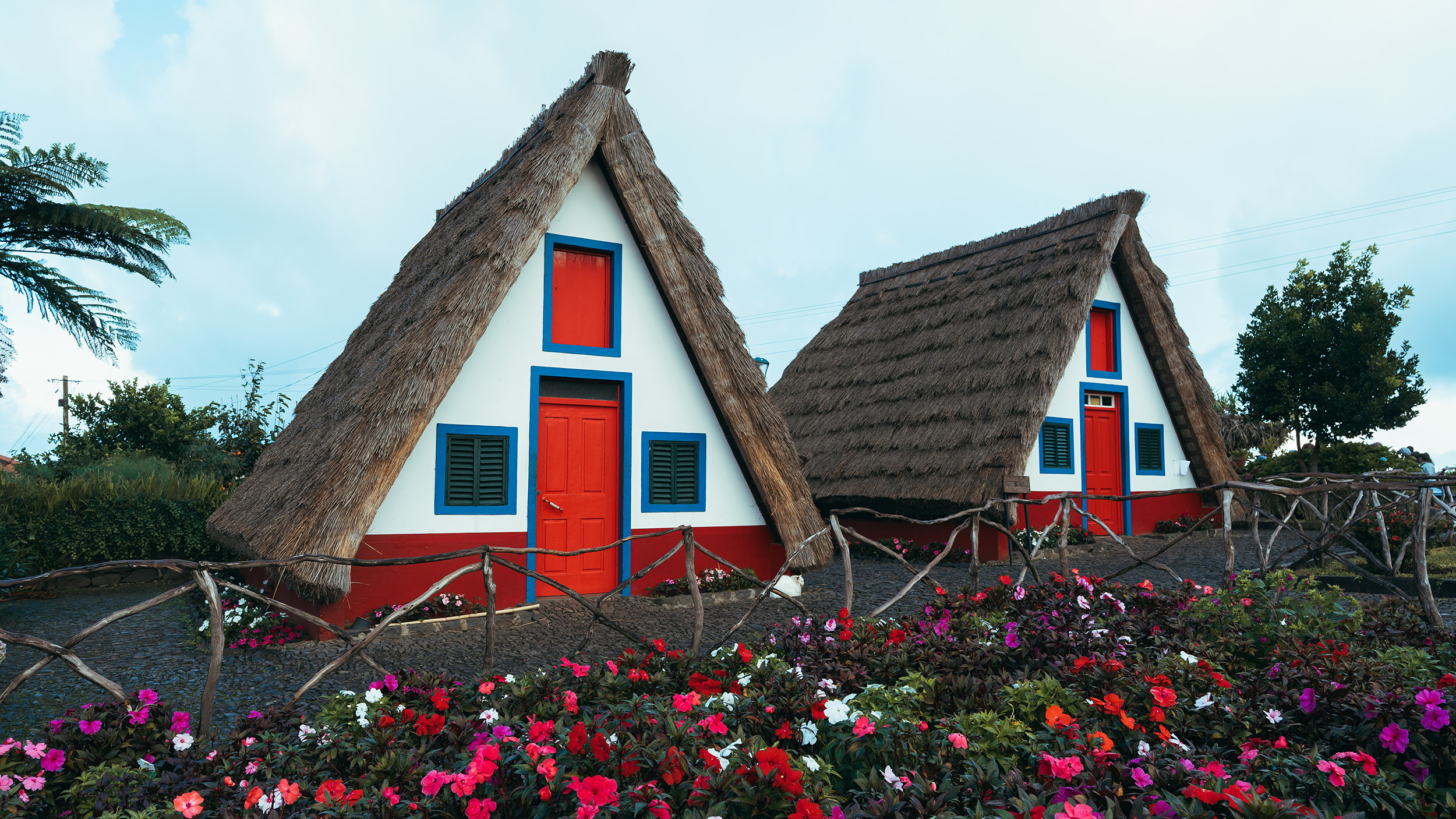 © Florian Rouzic | Sony α7C II + FE 20-70mm f/4 G | 1/160s @ f/5.6, ISO 100
It helped me work more fluidly while still maintaining excellent image quality in both photo and video. In the field, it was very reliable, even in conditions that were sometimes challenging — whether I was dealing with changing light, movement or more unpredictable environments.
What I appreciated most was its responsiveness and the precision of the autofocus. Both allowed me to stay focused on the moment rather than the technical side of shooting. Its resolution also gives me real freedom in post-production, especially when cropping or refining a composition without compromising image quality.
At the same time, its compact form factor means I can always keep it within reach, which genuinely changes the way I photograph day to day.
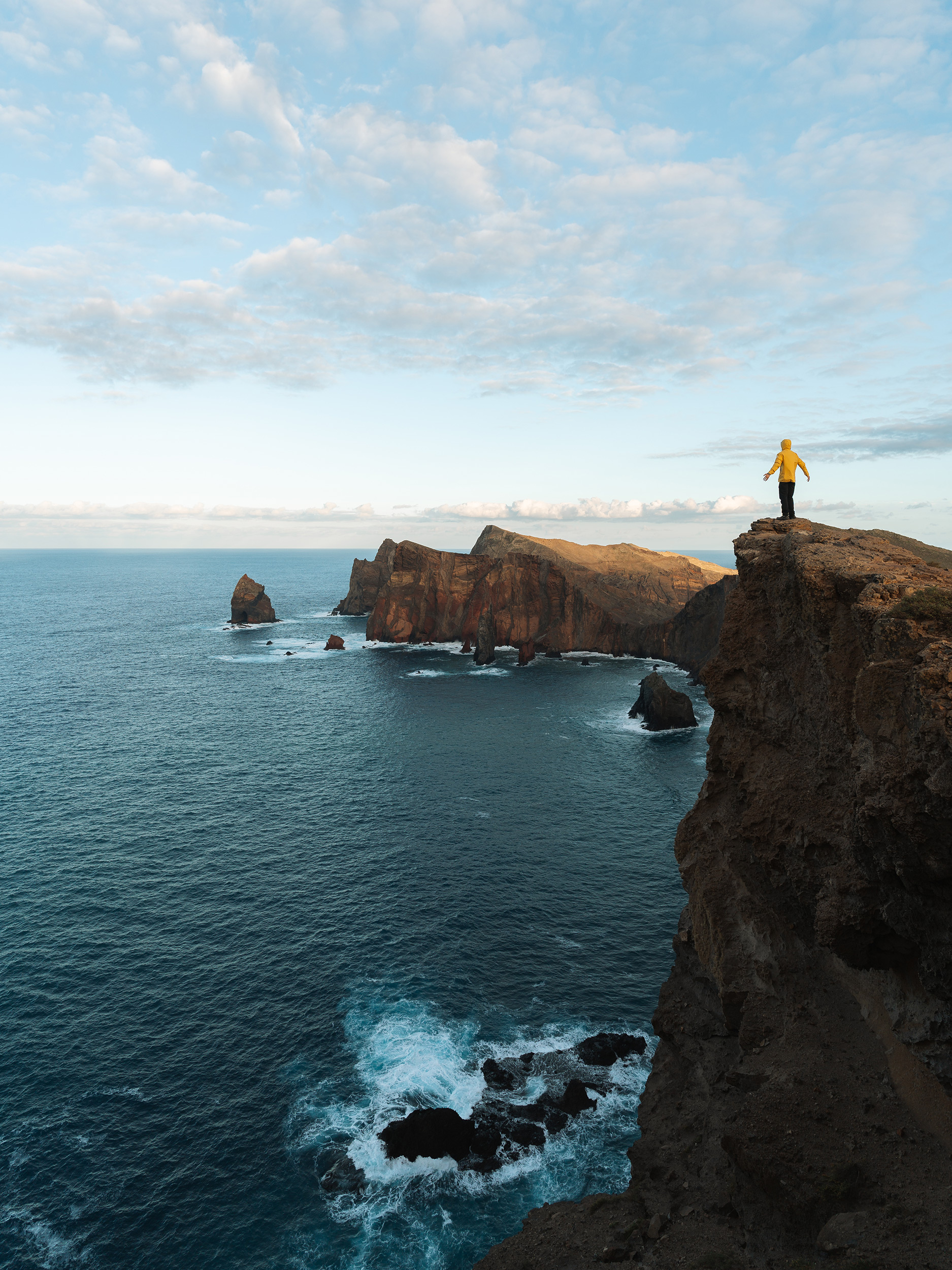 © Florian Rouzic | Sony α7C II + FE 20-70mm f/4 G | 1/250s @ f/5.6, ISO 200
Technical & Cinematic Execution
In Madeira, I mainly worked with the FE 20-70mm f/4 G. It gave me a lot of flexibility in the field, allowing me to move easily between wide shots and more detailed compositions.
Today, I mostly use the FE 24-70mm f/2.8 GM II, which I always have with me, whether I am travelling or working on a project. The 24mm focal length allows me to capture landscapes in their entirety, while still giving me the flexibility to react quickly when a scene changes.
The “hero shot” from this project is a long exposure captured in Madeira, with a car crossing the scene and leaving a red trail through the frame. For this kind of image, the most important thing is to stay and be ready to press the shutter at exactly the right moment. That is where the Alpha 7C II really helps me: it allows me to stay light, move fast and avoid missing the moment.
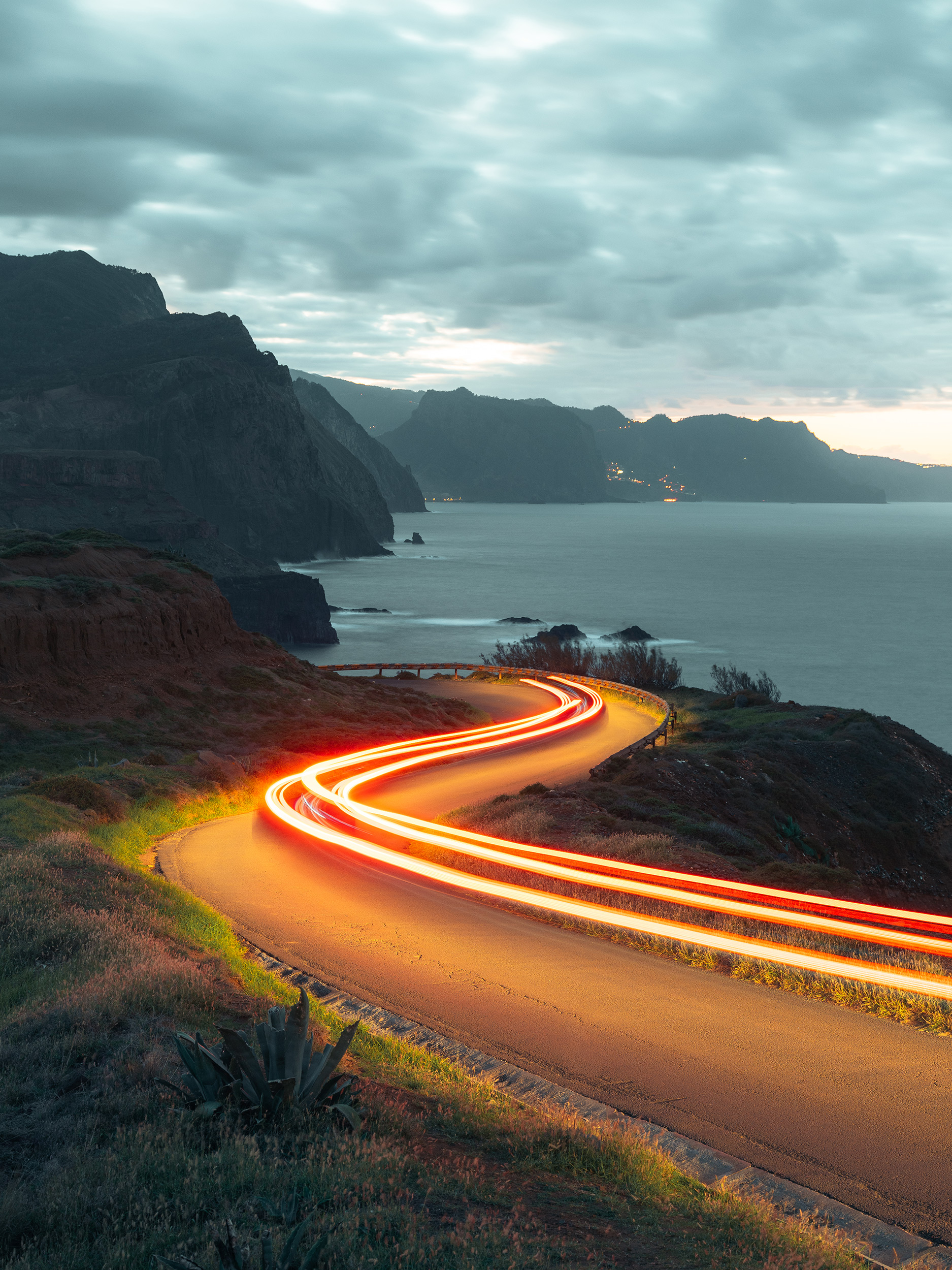 © Florian Rouzic | Sony α7C II + FE 20-70mm f/4 G | 20s @ f/5.6, ISO 250
Artistry & Advice
When people look at this project, I would like them to come away with a feeling of travel and discovery. Not necessarily with one specific image in mind, but with the desire to escape, explore and look at things differently.
Looking ahead, I see the Alpha ecosystem as something that allows me to work even more fluidly between photo and video, without interrupting my workflow. The idea is to keep that freedom in the field and be able to adapt quickly to every situation.
For creators who want to develop their own style, I think the most important thing is to know your camera body and configure it in advance. Being able to switch from photo to video while keeping my saved settings saves me a huge amount of time and helps me avoid missing certain scenes.
Beyond technique, I would mainly say: do not try to force a style. It develops over time, through the way you observe, interpret and tell the story of what you see.


