
Less to Carry, More to Capture
Petter Askø Næss
When Sony Europe asked me to try the new Sony FE 400mm f/4.5 GM OSS and FE 600mm f/6.3 GM OSS lenses, I felt incredibly honoured and grateful for the opportunity.
I was full of joy, anticipation, and nerves. As a photographer and filmmaker, I always want to do my very best, push my own limits, and push the gear too - especially when Sony asks me to create something. My biggest goal is always to capture the personality of the subjects and make them shine like heroes in their natural habitat, while putting the wellbeing of wildlife first.
I had less than ten days to shoot the content, so I was definitely feeling the pressure. Would I find any wildlife? What would the weather be like? I live in a cabin 1100 metres up in the mountains of Ål in Hallingdal, where the wildlife is incredibly shy, so I had to do as much research as possible before the gear arrived. On top of that, I had just had surgery for appendicitis, and my doctor had given me strict instructions not to lift anything heavy for four weeks. While I was in hospital and recovering, my amazing Dad went into the old forest and mountains to research for me. Without him, finding the wildlife again in time would have been much harder. Thank you so much, Dad!
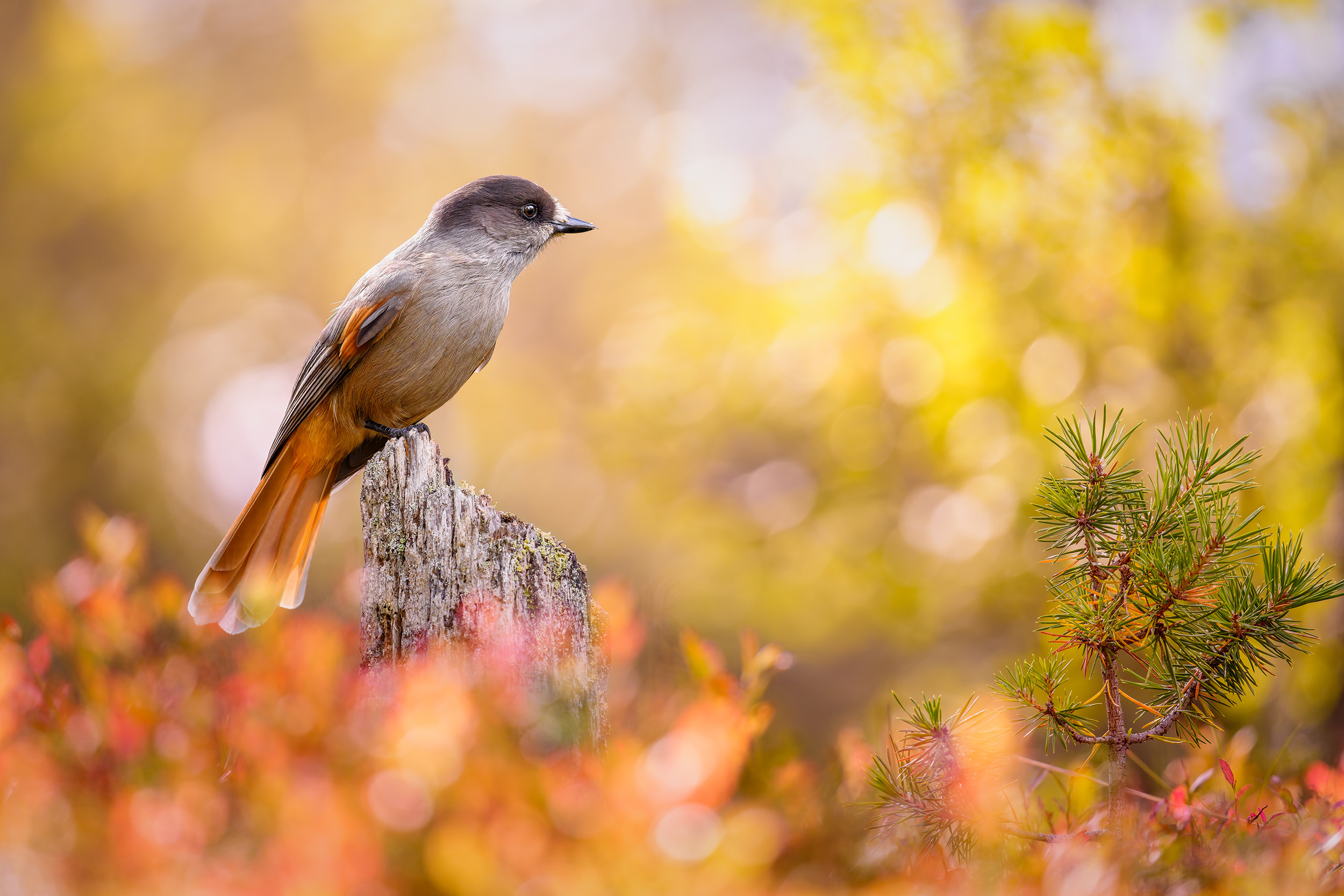 © Petter Askø Næss | Sony α1 II + FE 600mm f/6.3 GM OSS | 1/1000s @ f/6.3, ISO 1250
I knew these lenses would be small and light, but they still amazed me straight out of the box. Coming from the Sony FE 300mm f/2.8 GM OSS, they felt instantly familiar - just smaller and lighter. The build, balance, buttons, and handling are exceptional, with pure G Master quality in under a kilogram each. What struck me most was how freeing they felt: so much reach in such a compact package. Just grab and go and never miss the shot.
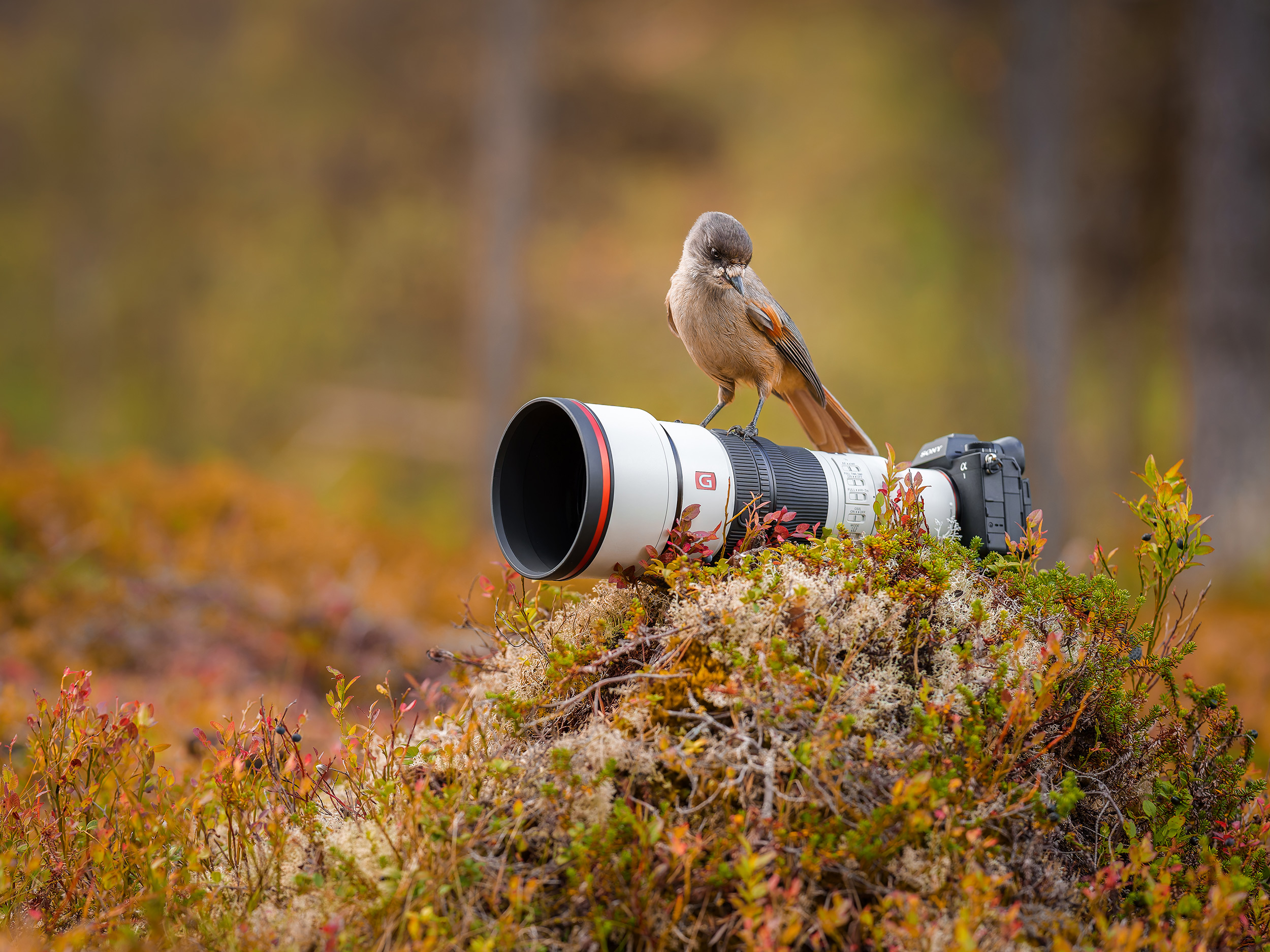 © Petter Askø Næss
When I received the lenses, I went straight out into heavy rain and low light, which actually worked in my favour. The weather let me test the sealing, but more importantly added atmosphere and drama to the images. Some of my favourite Siberian Jay photos came from that session, with autumn colours and raindrops surrounding the birds in flight. The lenses handled the rain without issue, though I eventually added a rain cover since they were on loan. I would love to try them in snow and colder temperatures too.
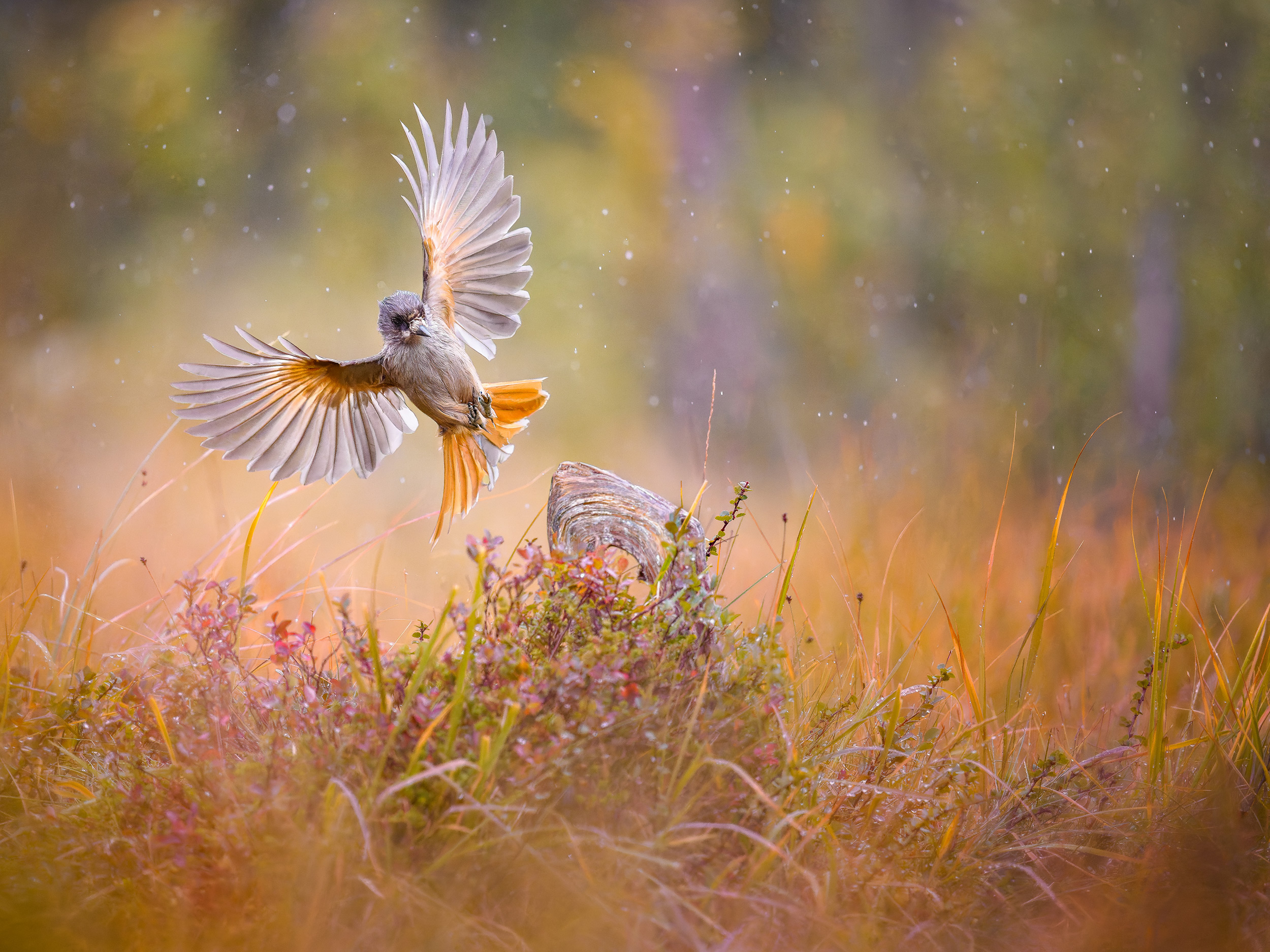 © Petter Askø Næss | Sony α1 II + FE 400mm f/4.5 GM OSS | 1/3200s @ f/4.5, ISO 8000
Performance
One of my main goals was to photograph Siberian Jays, my favourite birds. I especially love capturing them in flight, showing off all their beautiful feathers. I have spent years with them in the old forest, but sadly their population in this area has more than halved after much of their habitat was cut down. I try to enjoy every moment with them while I still can.
For these shots I used the 400mm mostly, mainly because the faster aperture let me keep my shutter speed up. Even then, I was often shooting around ISO 8000–10000, but with the Alpha 1 II sensor and some noise reduction in post, the files turned out beautifully. More importantly, the sharpness and clarity from the lens stayed superb.
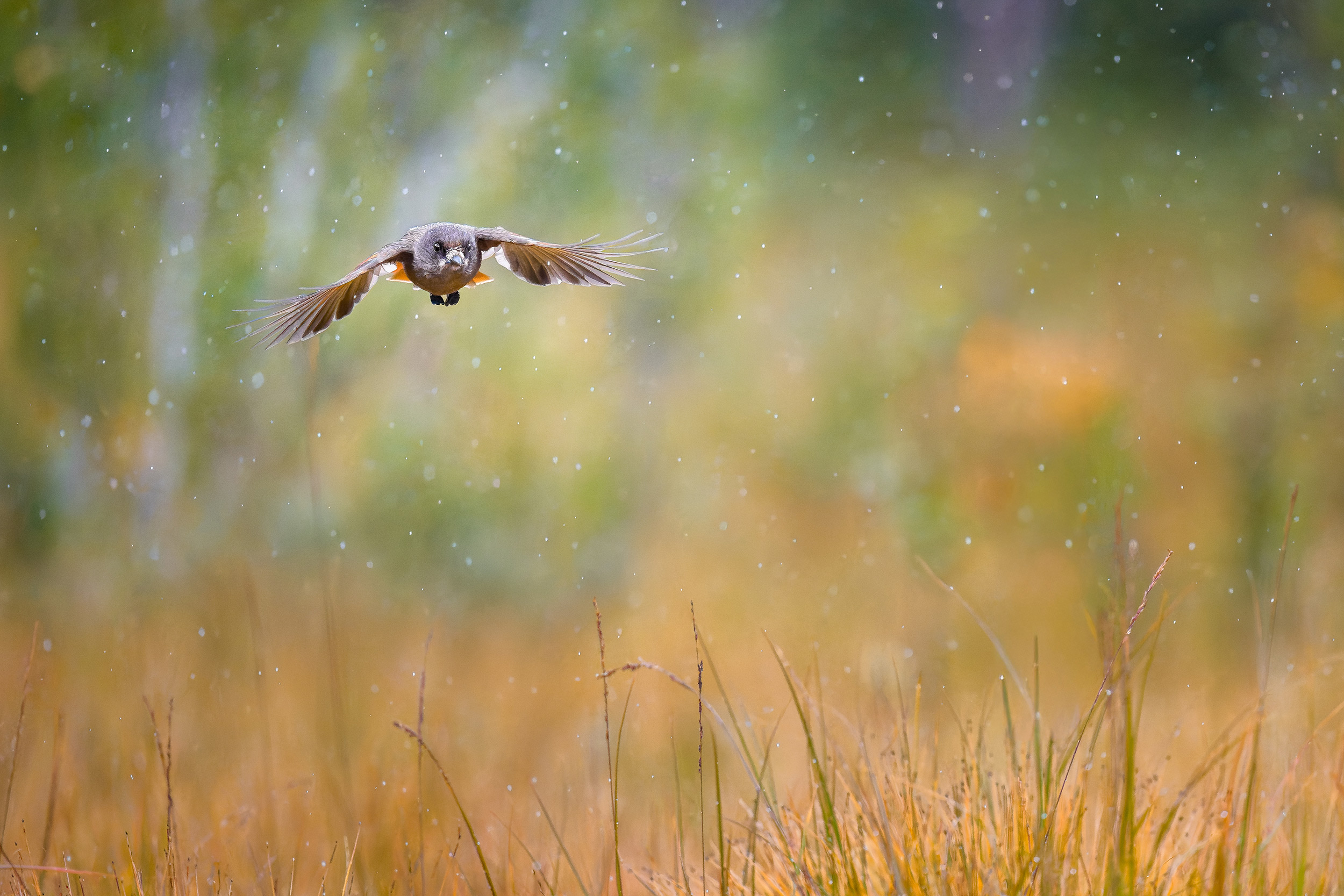 © Petter Askø Næss | Sony α1 II + FE 400mm f/4.5 GM OSS | 1/3200s @ f/4.5, ISO 10000
Autofocus can struggle in low light and rain, especially when trying to lock onto the eye of a moving bird. Some lenses will panic and focus on raindrops or the background, but the 400mm locked onto the birds in flight and gave me sharp results, even in 30 fps bursts. When it becomes difficult to choose your favourite shot because they are all sharp, that is always a good sign. Big thumbs up from me.
The 600mm gave me the same impression. Red fox, Siberian Jays, smaller birds - the autofocus was top notch, exactly what I expect from G Master lenses. If I do my part as a photographer, the lenses do theirs. That is what I need from my gear, especially when a once-in-a-lifetime moment appears.
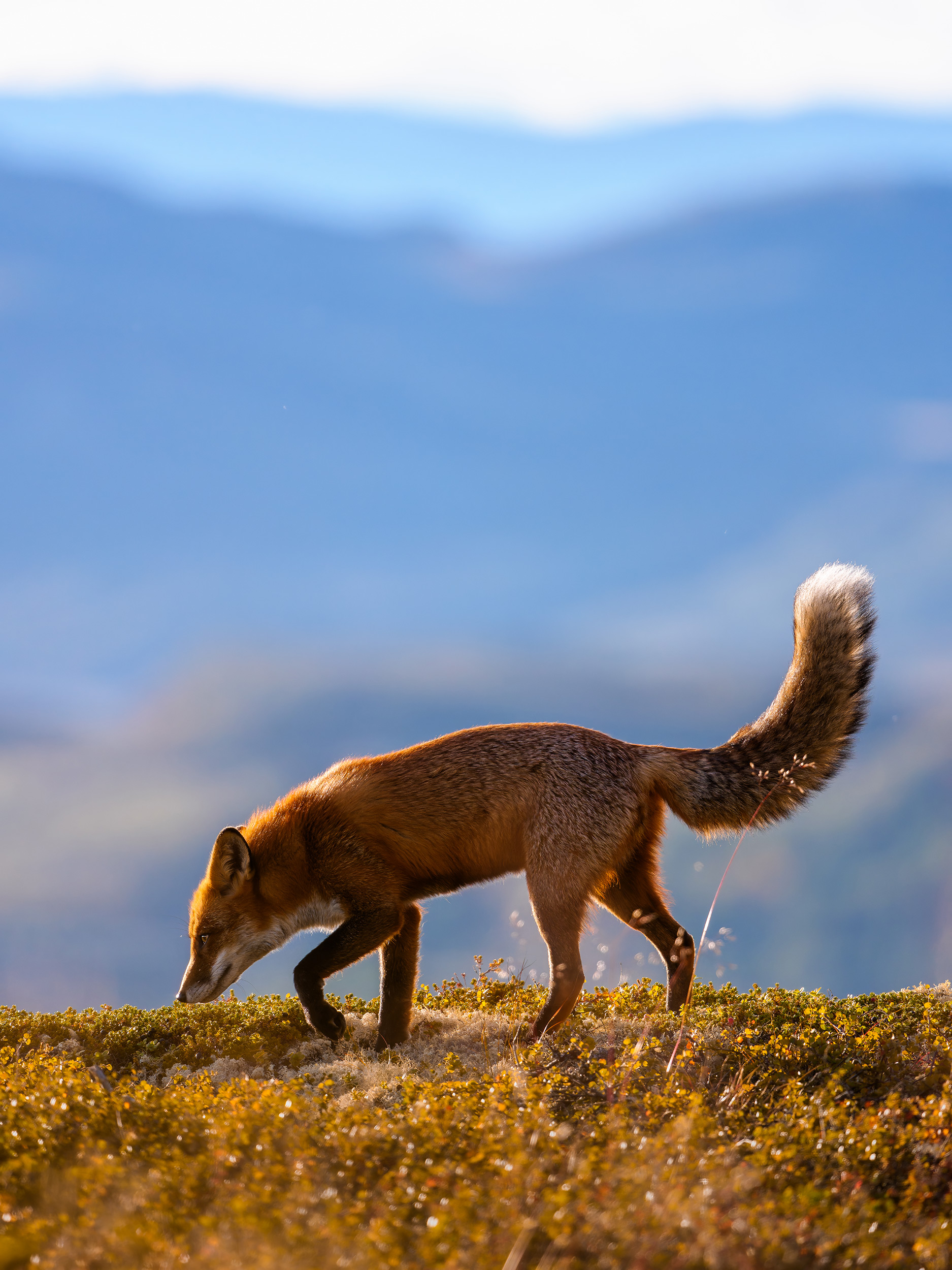 © Petter Askø Næss | Sony α1 II + FE 600mm f/6.3 GM OSS | 1/2500s @ f/6.3, ISO 800
I also used both lenses for my ongoing red fox project. The foxes here are shy and often appear when the light is almost gone, but the lenses had no problem keeping up, finding the eye, and giving me beautiful detail and bokeh.
What surprised me most was the freedom. Getting low, adjusting compositions, shooting handheld, lying on rocks or wet marsh, hiding in bushes, walking through thick forest or up steep hills - everything felt easier. These lenses made difficult conditions more enjoyable.
For smaller birds, both lenses were wonderful. The 400mm is great for environmental portraits, while the 600mm is perfect for intimate close-ups. Both focus down to 2.5m, which is very useful for smaller subjects.
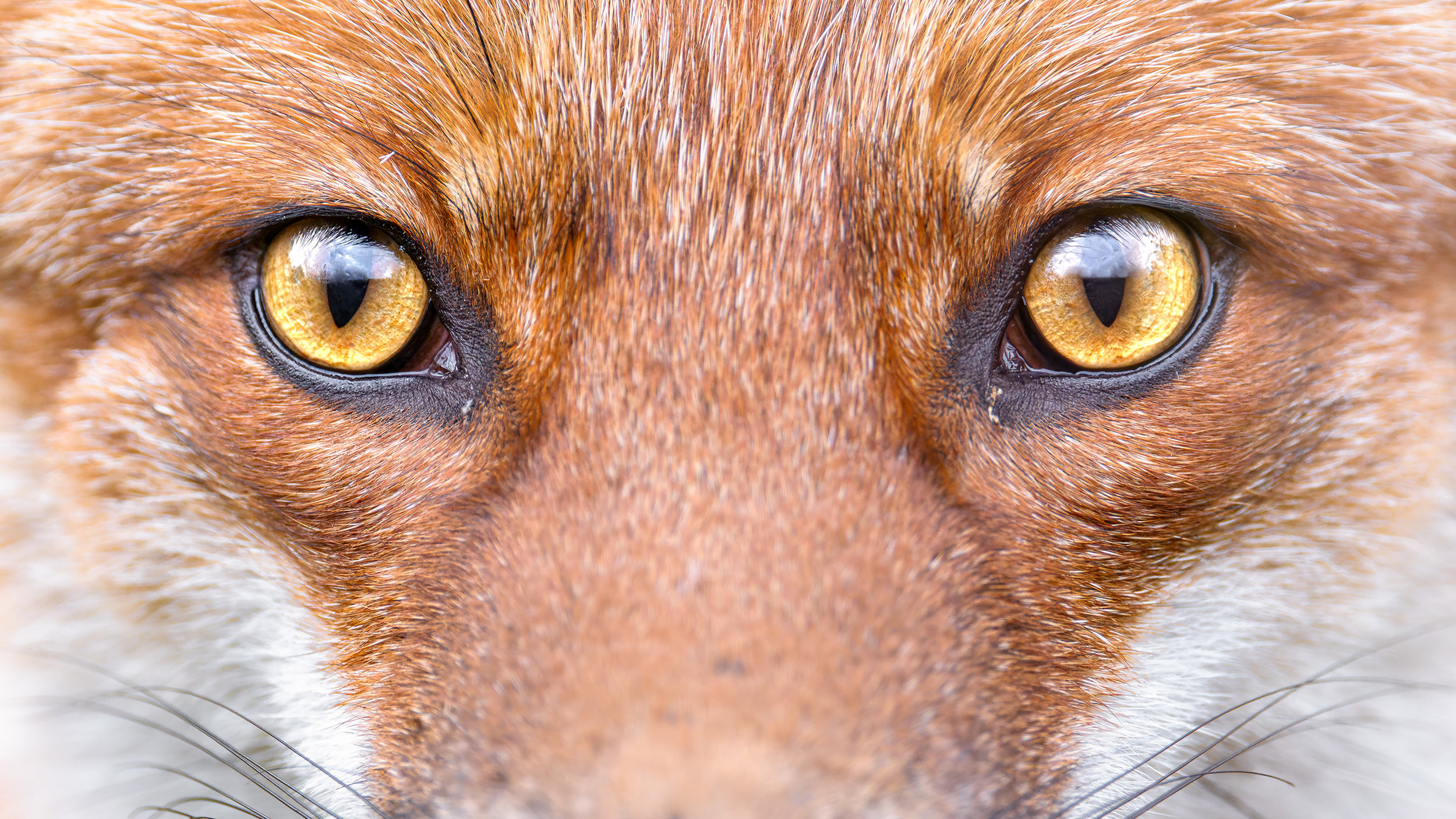 © Petter Askø Næss | Sony α1 II + FE 600mm f/6.3 GM OSS | 1/200s @ f/6.3, ISO 2000
Image quality
In short, the image quality is phenomenal. Incredible sharpness, contrast, and colours, with minimal to no aberrations in my testing. True G Master prime quality. The bokeh also surprised me. Even though these are f/4.5 and f/6.3 lenses, the backgrounds look smoother than I expected, with beautiful separation and a lovely 3D pop. Crisp subjects and buttery backgrounds.
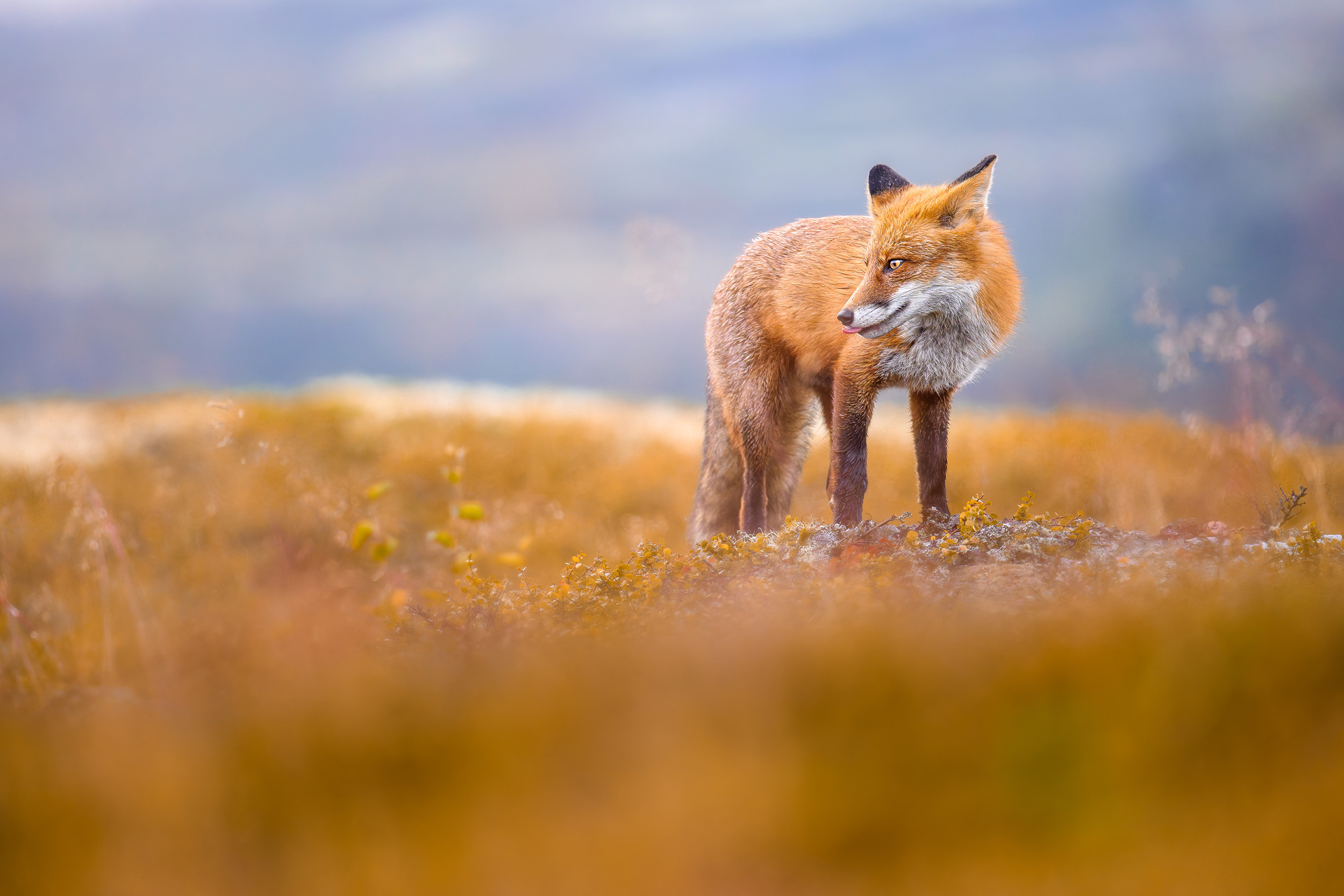 © Petter Askø Næss | Sony α1 II + FE 400mm f/4.5 GM OSS | 1/4000s @ f/4.5, ISO 4000
Teleconverters
Performance with teleconverters felt very similar to my 300mm. The 1.4x was definitely my favourite on both lenses, with hardly any noticeable slowdown in autofocus and excellent sharpness. The 2x is also impressively good, although image quality takes a negligible hit, as expected.
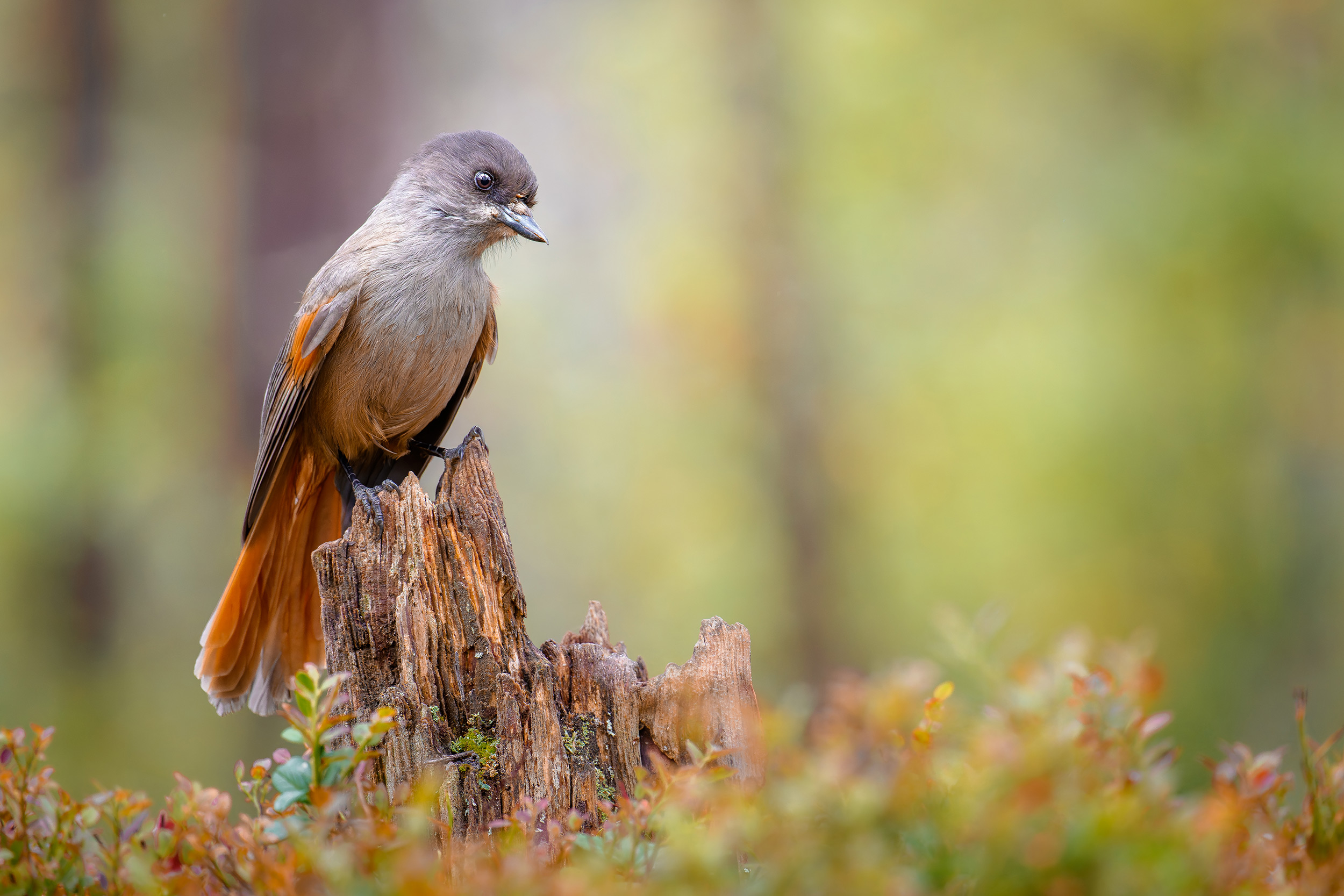 © Petter Askø Næss | Sony α1 II + FE 400mm f/4.5 GM OSS + 1.4x Teleconverter | 1/800s @ f/6.3, ISO 2500
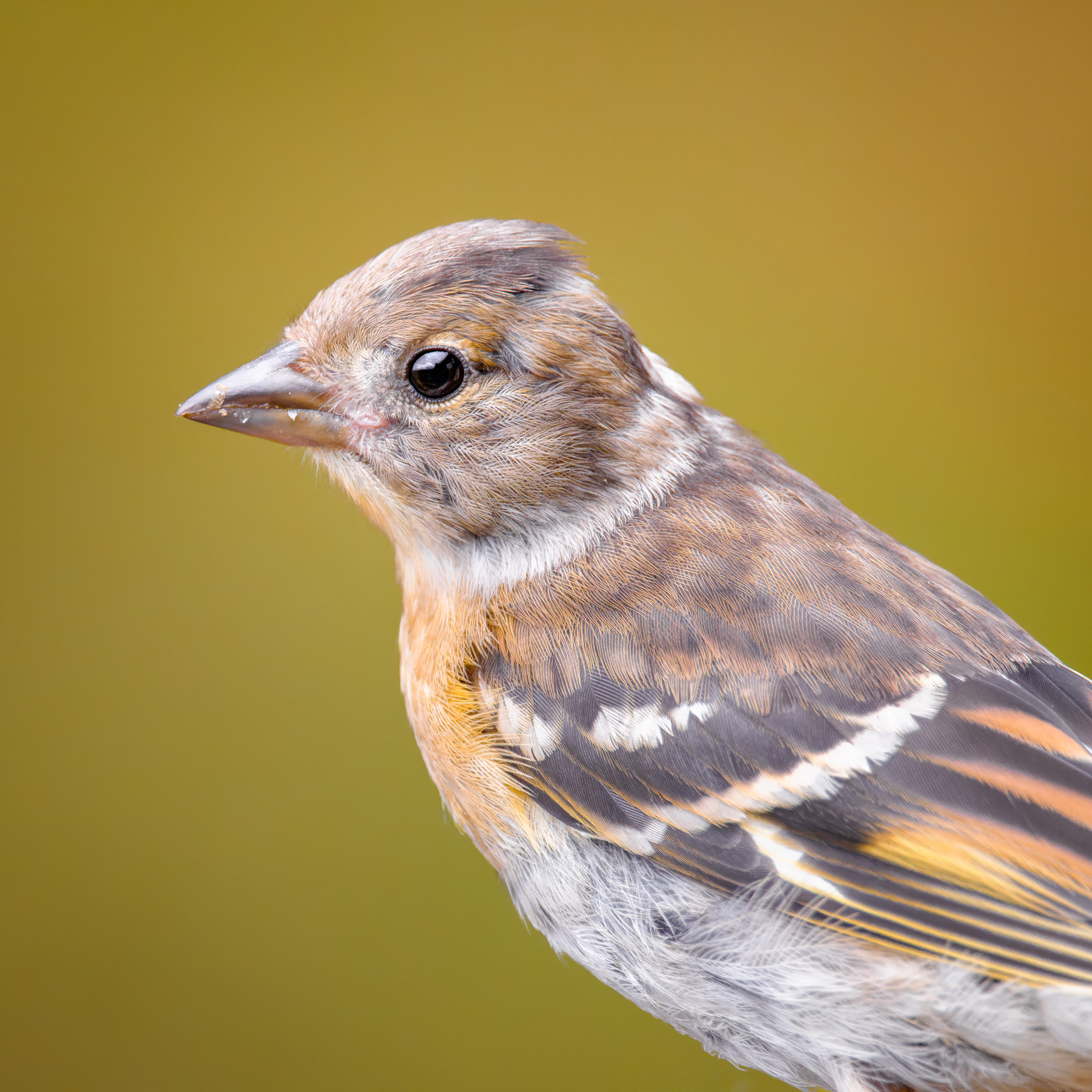 © Petter Askø Næss | Sony α1 II + FE 600mm f/6.3 GM OSS + 2x Teleconverter | 1/1250s @ f/13, ISO 5000
Final thoughts
I love these lenses, and I really do not want to send them back. Having this much power and reach in such small packages is amazing and freeing. It lets me focus more on the experience of being in nature, instead of feeling exhausted from carrying heavy gear. My brief encounter with the Sparrow Hawk also reminded me about the importance of always having the gear ready at hand. It only lasted about 20 seconds so if I had put my gear in the backpack, I would have missed it.
Choosing between the two is simple. Performance and image quality are very similar. The main differences are reach and aperture. If you always need more reach, choose the FE 600mm f/6.3 GM OSS. If you can get close enough and want the faster aperture, choose the FE 400mm f/4.5 GM OSS.
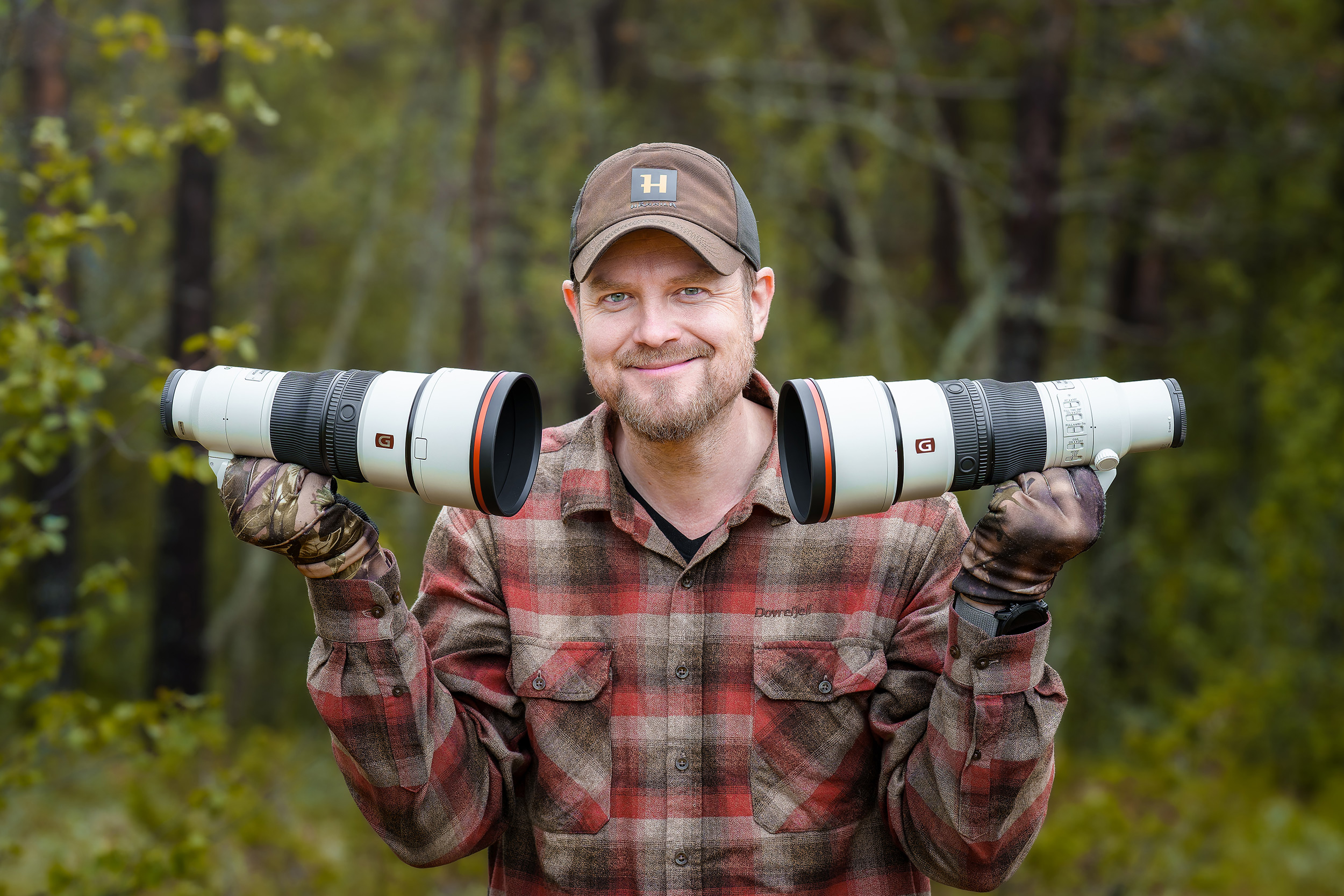 © Petter Askø Næss
I started this project less than two weeks after surgery, but these lenses were still easy to carry. That makes me think they will suit a wide range of people, at all ages and levels. You do not need to be a bodybuilder to shoot handheld, and you can probably leave the tripod at home. They let you go further into the wild and still have room for other important things, like clothing or hiking gear. I truly believe these lenses will reach a wide audience, as they should. They are well suited for both beginners, enthusiasts and professionals. I certainly want them!


