
The Streets of Peru
Natan Dvir
Nestled on the edge of the Amazon River and surrounded by teeming rainforests, Iquitos in northern Peru has a truly unique claim to fame. It is the largest city in the world that cannot be accessed by road. Yes, aside from small highways that lead out to villages or into the green wilderness, the only way to get there is by aircraft or boat. “It’s a remarkable place,” says Natan Dvir, “and one that’s about as off the beaten track as it’s possible to be.”
In documentary photography, oddity often means opportunity and according to Natan, Iquitos is full of that. “From the houses built on high poles in case of flooding, to the floating Belén market and the army of colourful moto taxis, there is an incredible variety and depth to life there,” he says. “The people are remarkable and the experience of meeting them can be quite profound, so it’s a joy to document.”
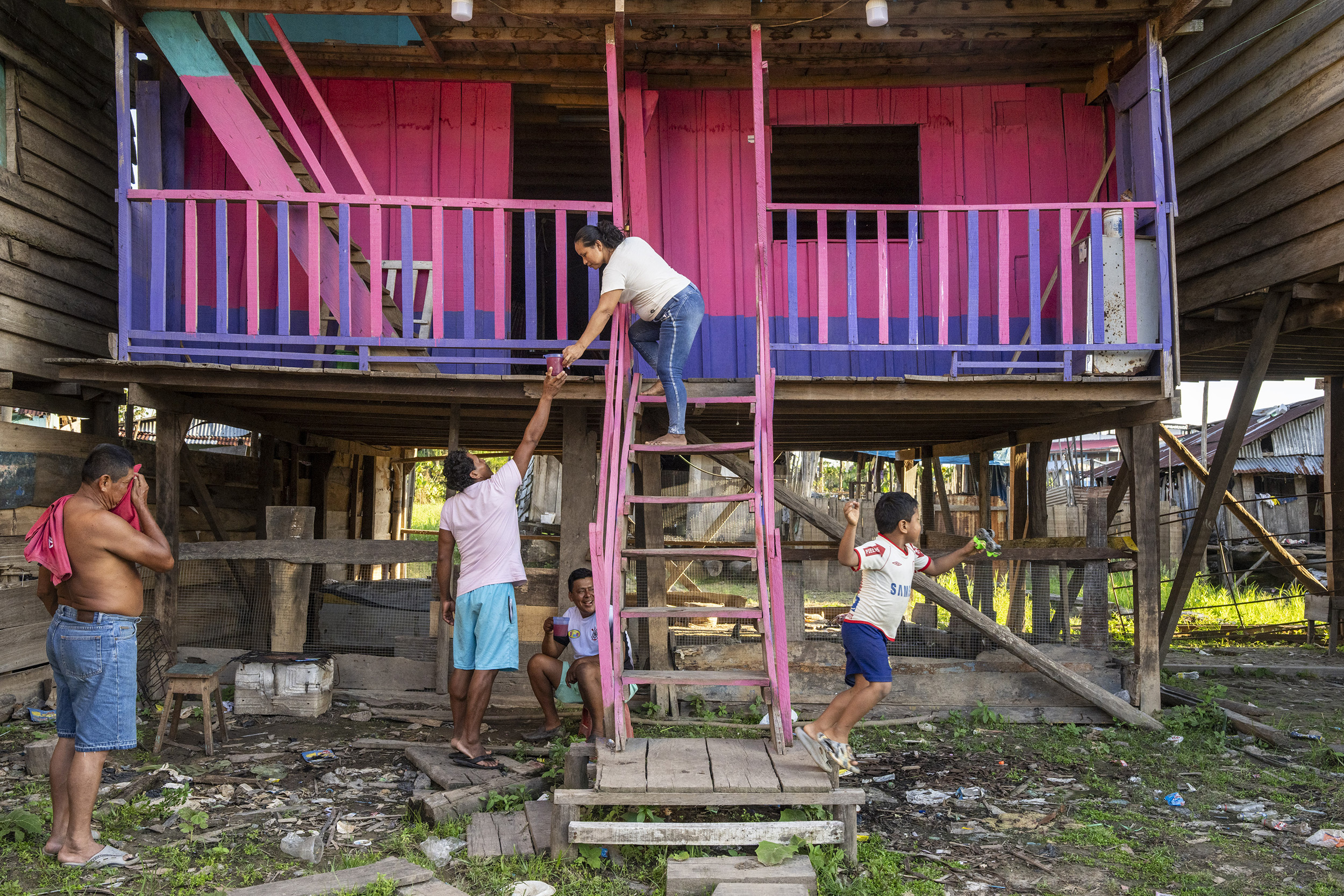 © Natan Dvir | Sony α1 + FE 24-70mm f/2.8 GM II | 1/400s @ f/8.0, ISO 800
“For me,” he continues, “street photography is a celebration of life and the product of my fascination with people. Peru is more relaxed than many places, and people are often flattered that you’ve taken an interest in them. Still, respect and integrity go a long way summing up my approach.”
“Rather than objectifying subjects, which can happen when you photograph from a distance, or in too stealthy a way, I prefer to interact,” Natan explains. “Often, I don’t photograph straight away, but walk around and get a feel for a place. This makes me more intentional, because I’m not swayed by the immediate aesthetics of a situation. There are risks to this insofar as it can change peoples’ behaviour, or they may indicate they don’t want you to take their picture at all. But in the main, it’s a far more successful route and most importantly, it avoids objectifying people.”
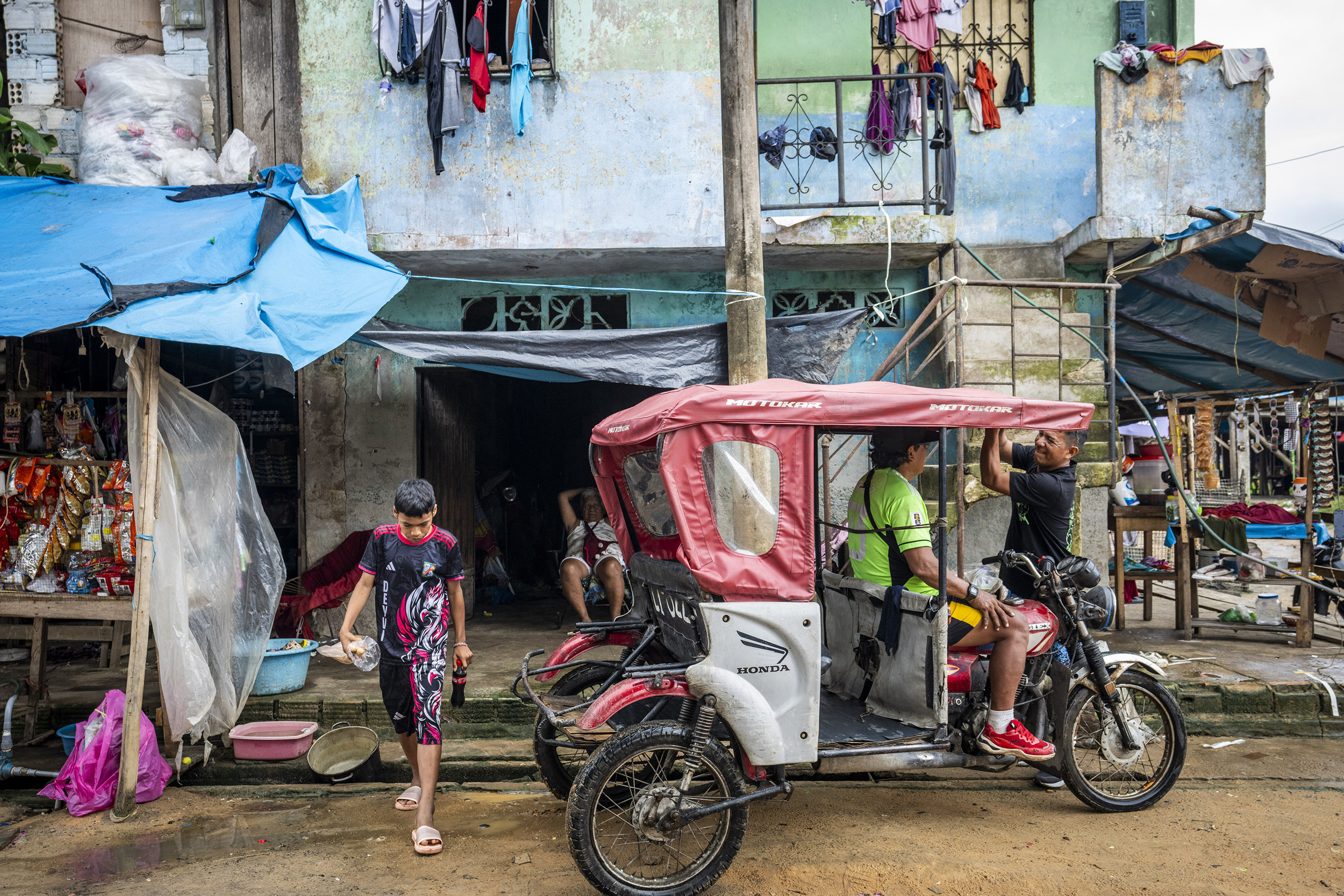 © Natan Dvir | Sony α1 + FE 16-35mm f/2.8 GM | 1/250s @ f/6.3, ISO 800
“I’m 6'5’’ so I can’t hide anyway,” he laughs, “but generally I make sure I’m visible and then people aren’t surprised. If there’s something I’m interested in, I’ll get closer, maybe change lenses, giving me a chance to see how they react. In almost all of the pictures here, it was obvious what I was doing. Some people even offered me drinks or invited me into their homes. And the longer I’m in a place, the more people will forget me and be themselves.”
“Another way of photographing with respect,” he says, “is to find a scene you like, frame it up and then simply wait for life to come into it. Again, being obvious in what you’re doing. That way, if someone doesn’t want to be photographed they can just walk around.”
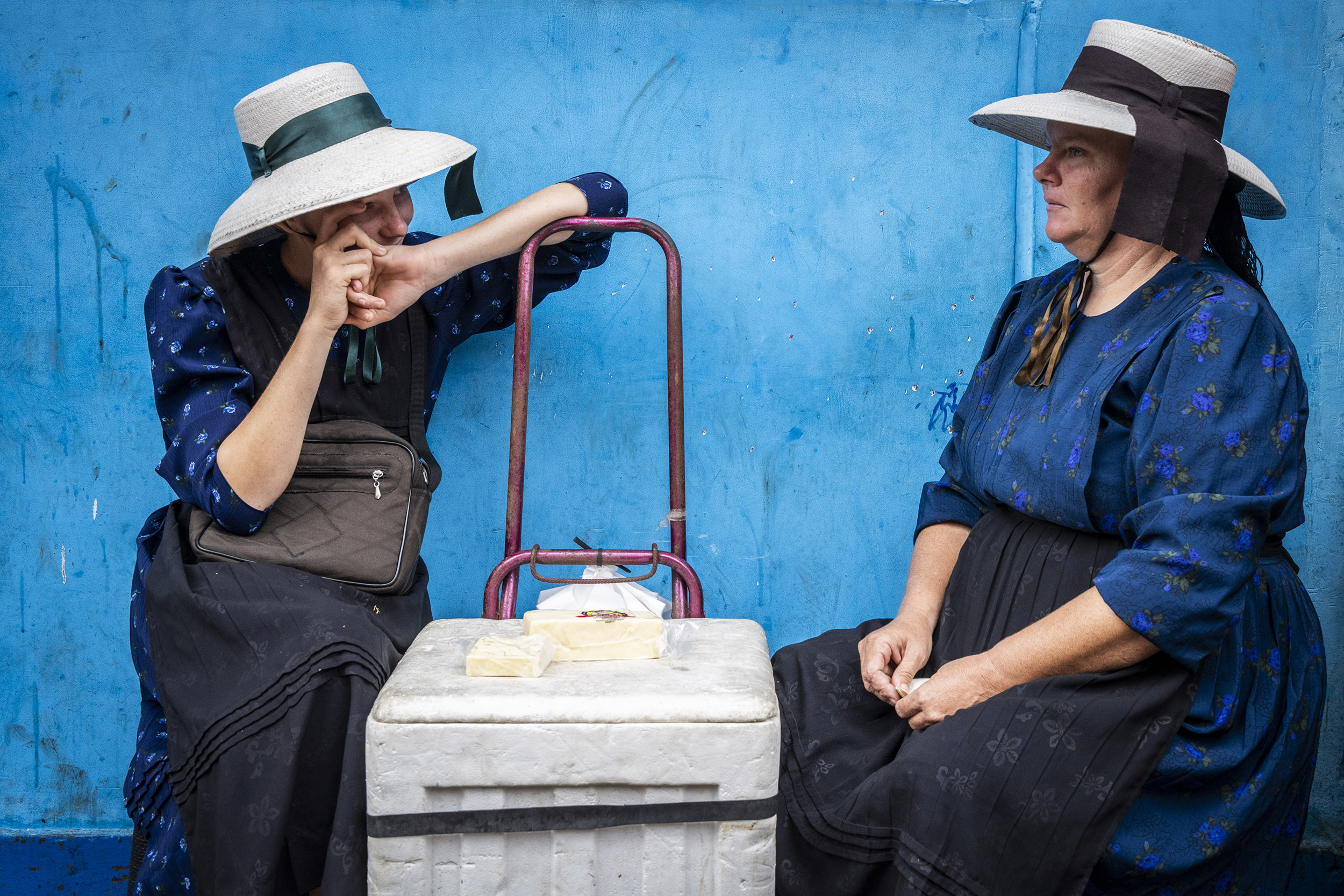 © Natan Dvir | Sony α7R V + FE 24-70mm f/2.8 GM II | 1/160s @ f/8.0, ISO 1000
Natan often favours shorter focal lengths for this and they bring additional benefits. “Portraits which isolate the subject can be fascinating, but I prefer context,” he explains. “Including the environment makes a much more interesting picture for me and I love to create deeply textured images that have multiple protagonists. I often try to balance a dynamic main subject with complementary ones like in the image of the woman washing, or the people in the market. There are several portraits within each of them, and the more you study the frame, the more you see. The task is to combine aesthetic and narrative value in the moment.”
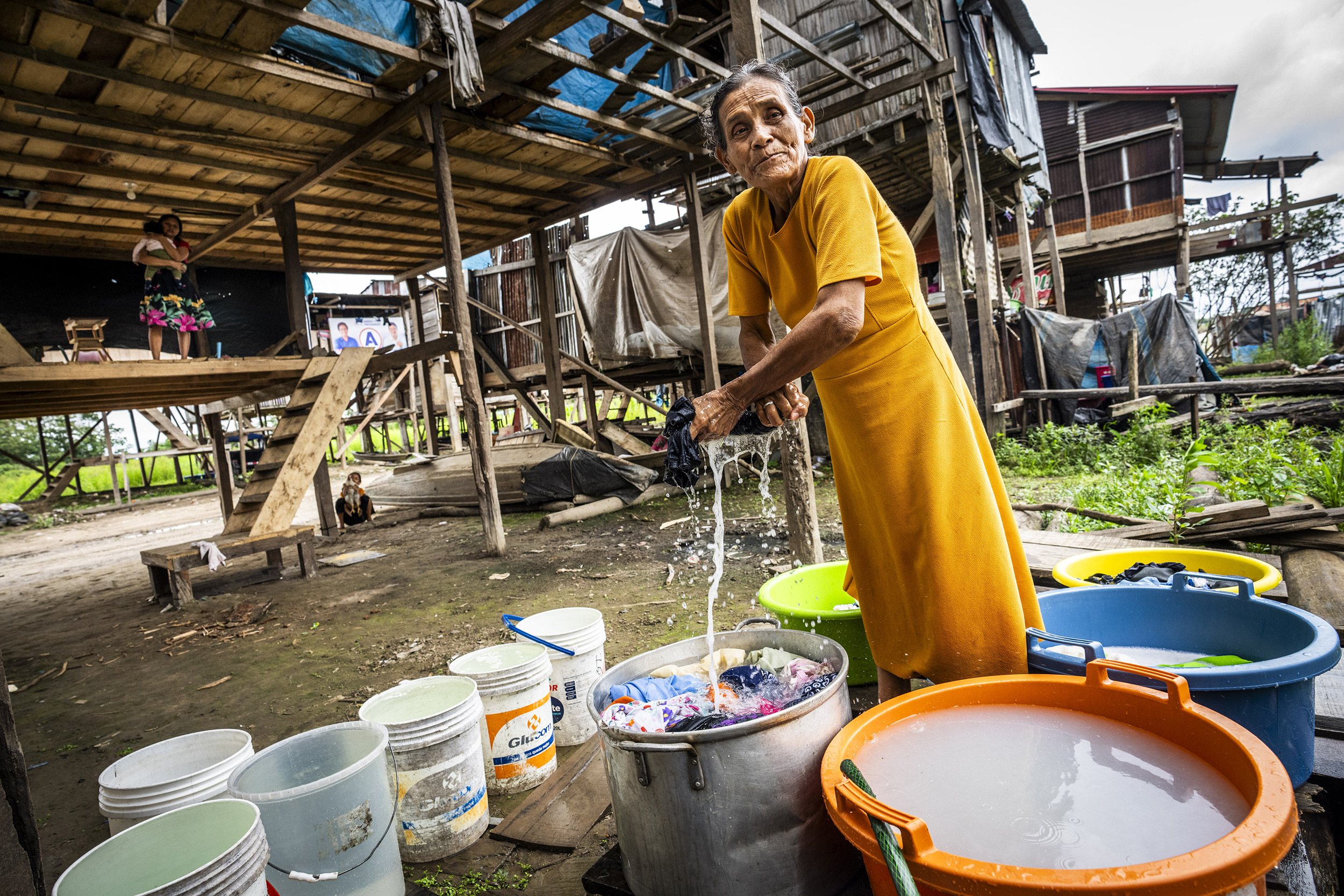 © Natan Dvir | Sony α1 + FE 16-35mm f/2.8 GM | 1/500s @ f/5.6, ISO 800
“I’m very selective in shooting,” he continues, “and I rarely work faster than 3fps even though my Sony cameras can achieve much more. My method is to remain present and identify the moment, not hope the camera will do it for me. Where my Alpha 7R V and my Alpha 1 have been pivotal is in low-light. Both have incredible noise performance, so I can regularly work at ISOs like 6400. The effect that has in raising shutter speed in a dark environment is the difference between a picture to consider and one to delete.”
His cameras’ AF performance in low light is also brilliant, Natan says. “Sony’s AF is amazing in picking out subjects automatically, but in my street photography, I actually use it in a much more traditional way, shooting in Single-shot mode and using a very small AF area for the utmost precision. This works incredibly well, locking on even in dim locations where my previous camera needed help.”
 © Natan Dvir | Sony α7R V + FE 16-35mm f/2.8 GM | 1/640s @ f/6.3, ISO 200
“I always frame through the EVF, not the rear screen,” he says, "because it helps keep my attention completely on what’s in front of and around me. And I’m also a huge fan of using the live histogram in EVF. It means that my exposures are always spot on.”
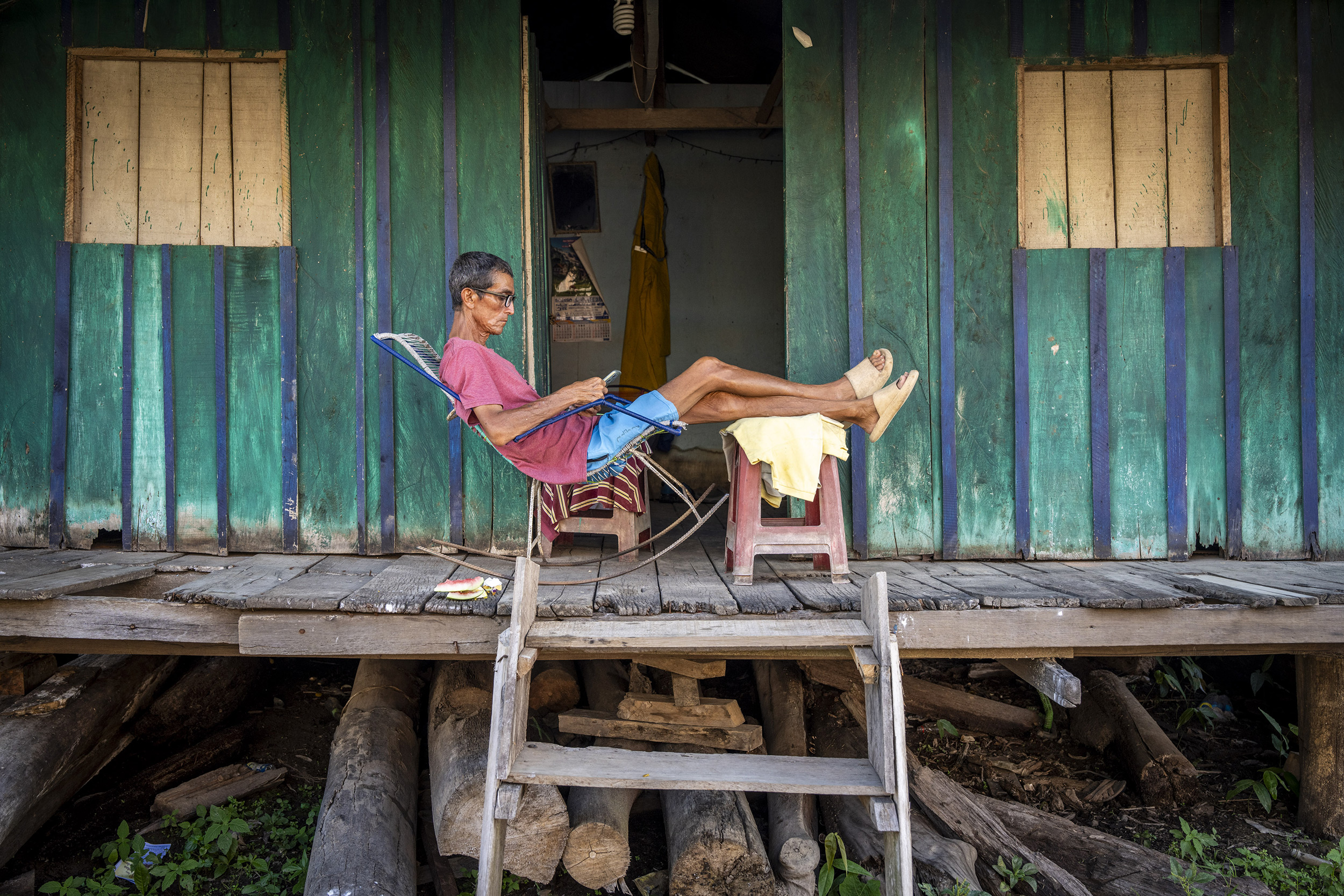 © Natan Dvir | Sony α1 + FE 24-70mm f/2.8 GM II | 1/160s @ f/4.5, ISO 250
All of the technical advantages of his cameras add up a better connection with the people he encounters, Natan says, and therefore more authentic images. “If my approach to street photography is about celebrating life,” he finishes, “I can’t do it with a camera that gets in the way.”
Featured products


Natan Dvir | Israel
"Being a photographer is not what I do, it's who I am"


