Touching Distance
Melissa Schäfer
Distance is a crucial factor in wildlife photography. To be close, to be far… It all matters in different ways. Closeness can bring rare perspectives and experience. Space can allow safety and greater understanding. For some species, a respectful distance is vital, both for the photographer and the subject.
 © Melissa Schäfer
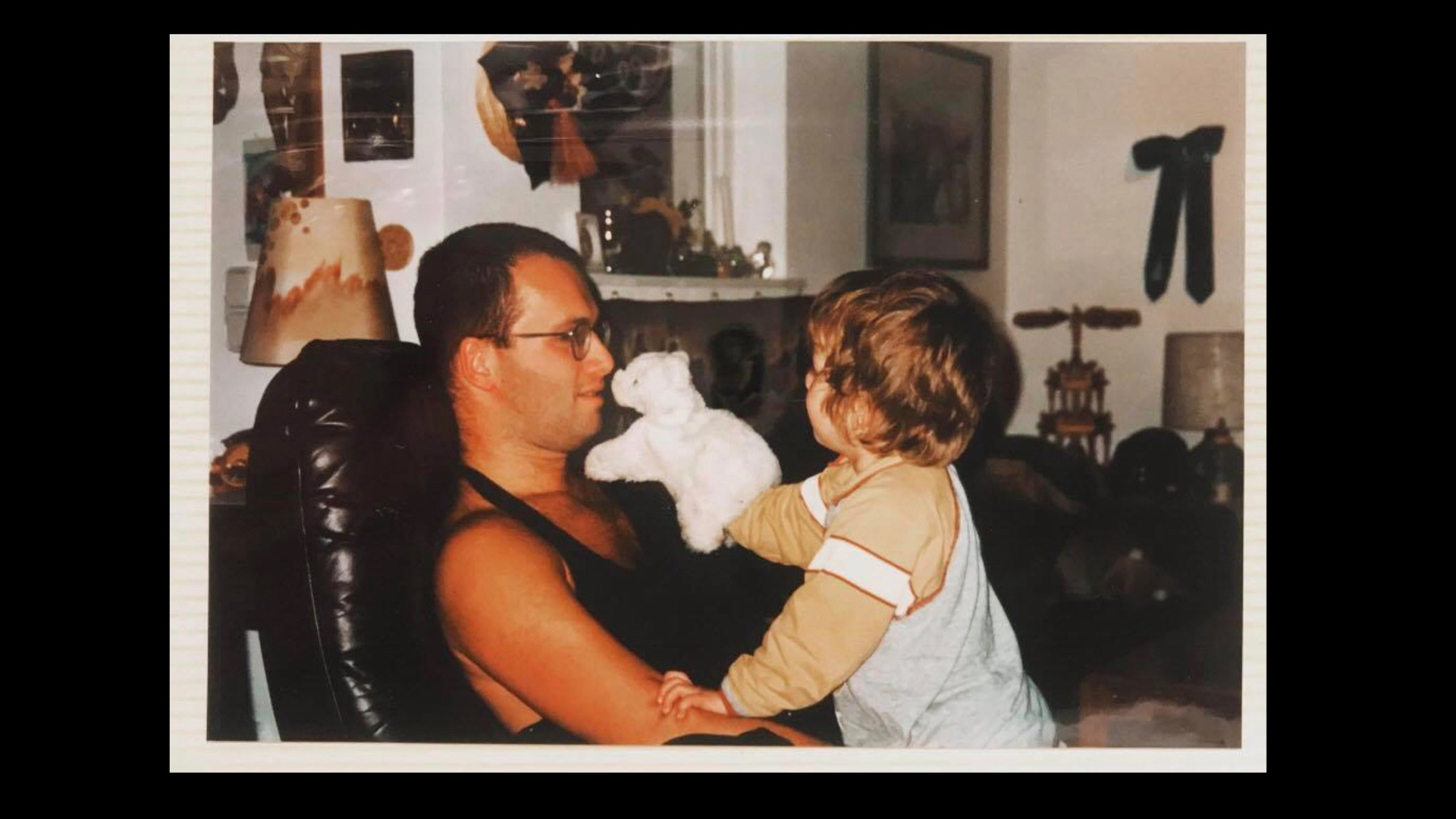
Melissa Schäfer has come a long way in her relationship with wildlife and specifically, bears. Growing up in suburban Hamburg, seemingly a million miles from the wild Arctic tundra that she now calls home, her father would wake her with a cute, white polar bear puppet every morning, and her room was filled with pictures of them, too. Now she’s a successful wildlife photographer, tour leader and creator of Mother, a beautiful magazine that showcases women in the field.
“I always loved polar bears because they’re such strong, beautiful animals,” she remembers, “but at the same time, they felt like something almost unreal… creatures you could only imagine from photos. I never actually thought it would be possible to see a bear with my own eyes and the Arctic felt like a different planet.”
Even when offered the chance to see a bear in captivity, she declined. “When they brought polar bears to the local zoo, for a second I thought I’d go see them,” Melissa recalls. “I wanted to experience their size and how they moved. But I never went because the idea of a polar bear on a plastic iceberg just didn’t fit. What I wanted to see was the king of the Arctic in its realm.”
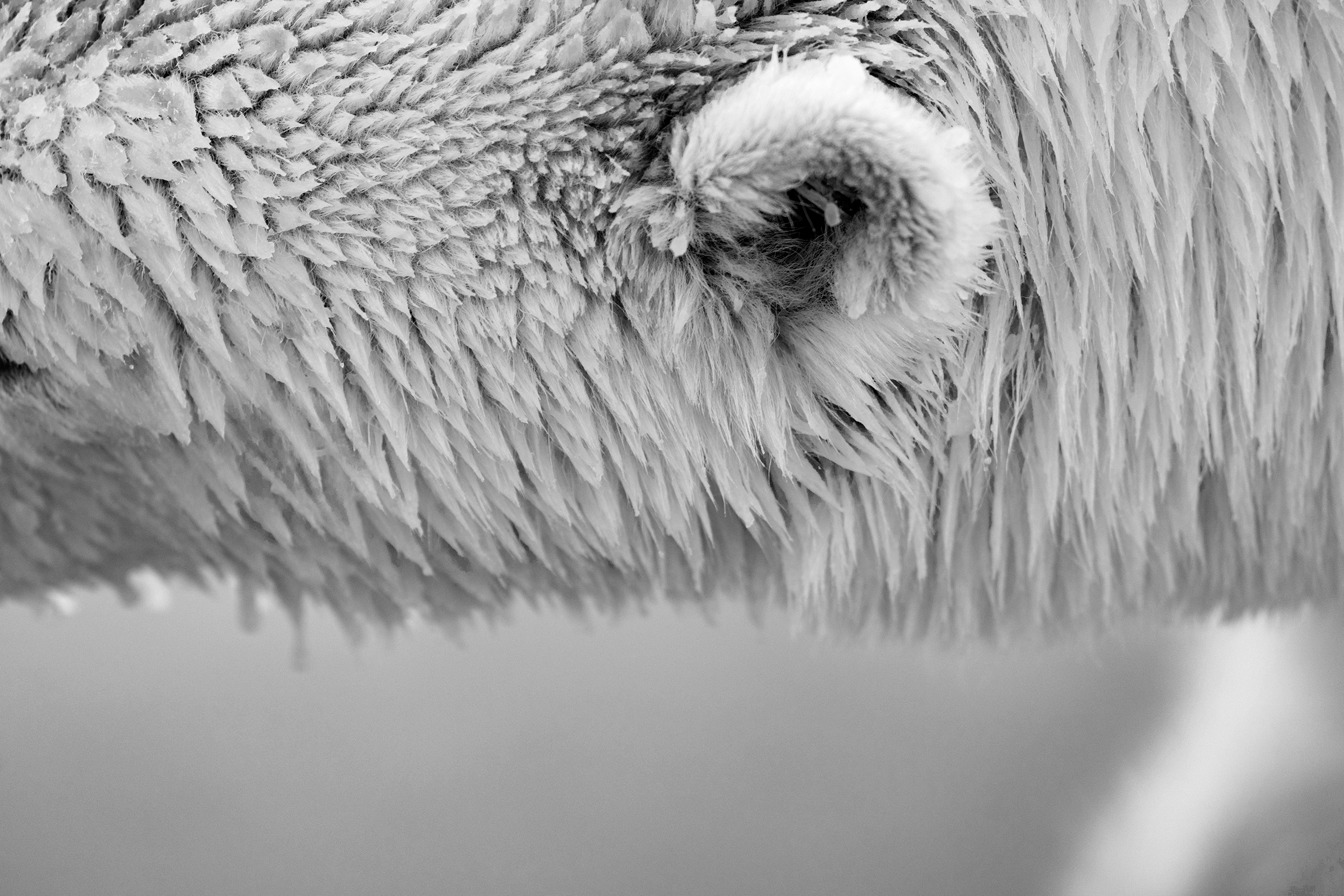 © Melissa Schäfer | Sony α1 + FE 600mm f/4 GM OSS | 1/1600s @ f/4.0, ISO 640
Eventually, what seemed an impossible distance closed to mere metres, leading to the most memorable encounter of her career. “It was actually the first time we’d driven out to the east coast of Svalbard,” she says, “and eventually we came to the sea ice. When we saw tracks in the snow and I knew there were actually polar bears nearby, it was like a dream.”
“All of a sudden,” she continues, “we spotted a bear on ice. We waited and she came towards us on this beautiful wave-shaped iceberg. She was the first bear I’d ever met and she’s still the most beautiful. She was in front of us playing with the snow, so relaxed and quiet, putting on a show. I felt so connected to her that I named her ‘Helen’.”
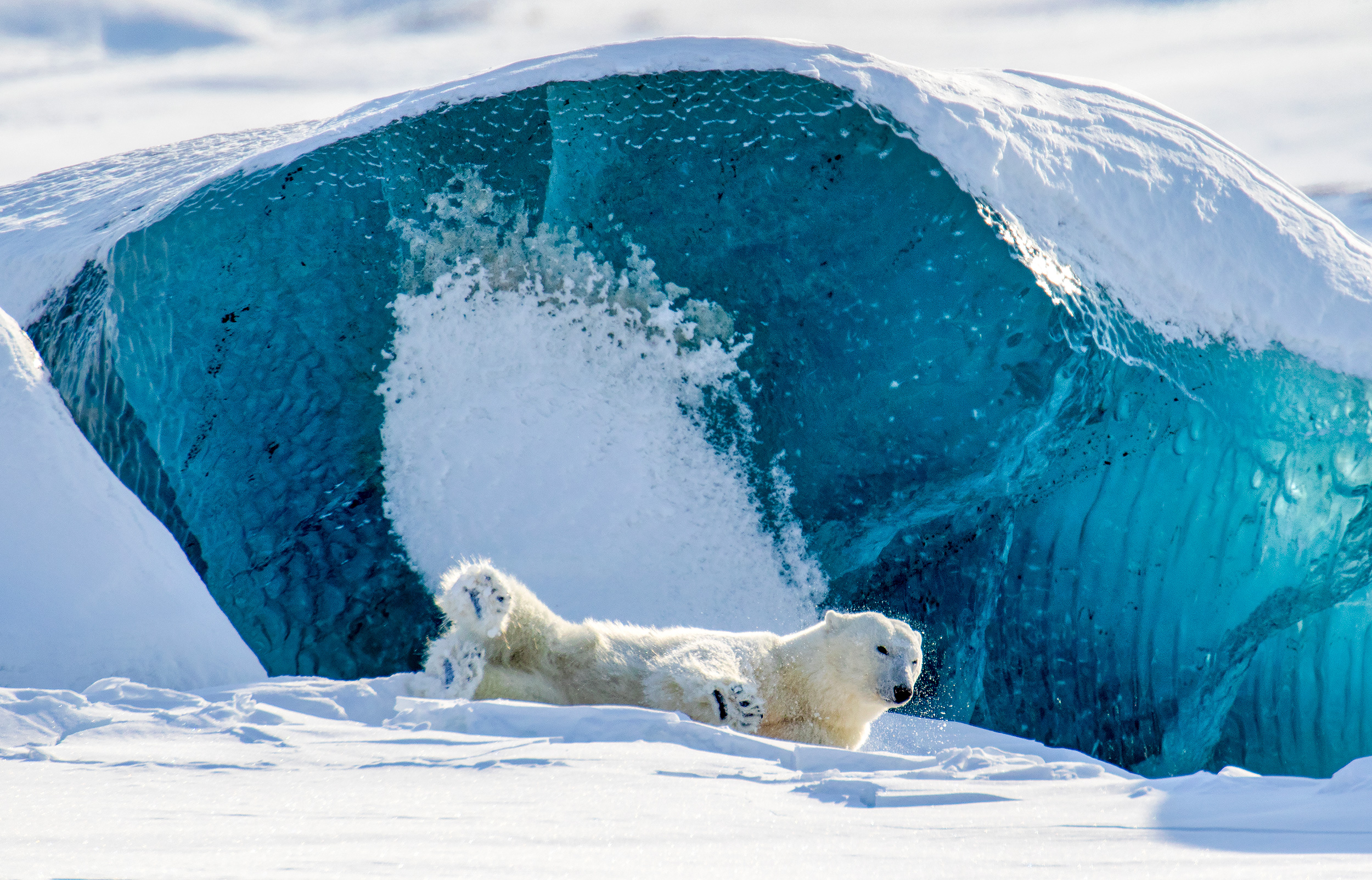 © Melissa Schäfer
Emotional distance can make a huge difference in conservation and the love we feel for our environment is a powerful motivator to protect it. “When I share these experiences with people, I want to recreate the same connection to the animal or place that I had,” Melissa explains. “A bear that I met is just a bear, but if I name her, it becomes personal.”
“It was probably 30 minutes I spent with Helen, maybe longer, maybe less. Time completely disappears when you're on the ice. Then she calmly started to walk away, so we left as well. It was a beautiful encounter without any stress on either side.”
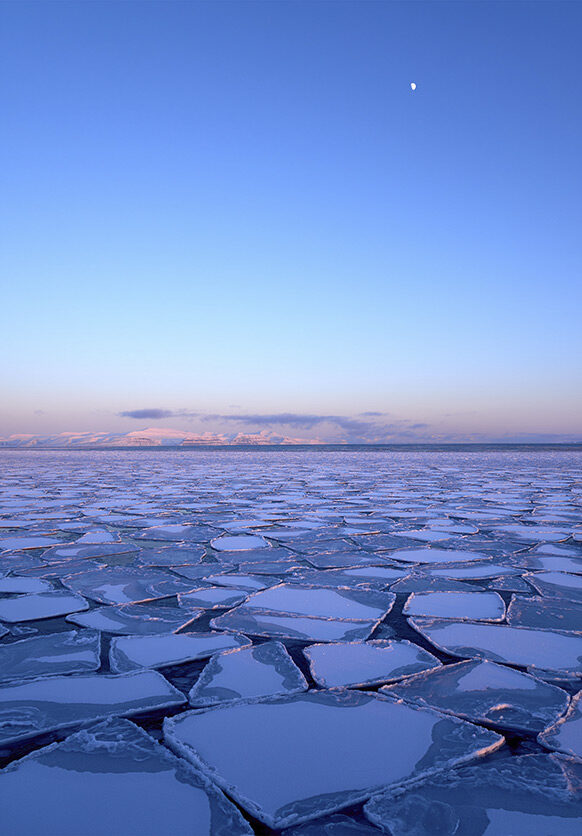
Generating that emotion through her photography, says Melissa, can create awareness, not only of the challenges that Arctic species are facing, but which face us all. “It's nothing new to say that the Arctic is changing,” she says, “but I fear that people get numb, accepting it and not realising how bad it already is. The polar bears need the ice to survive. It’s where they hunt and as it shrinks, they starve and drown.”
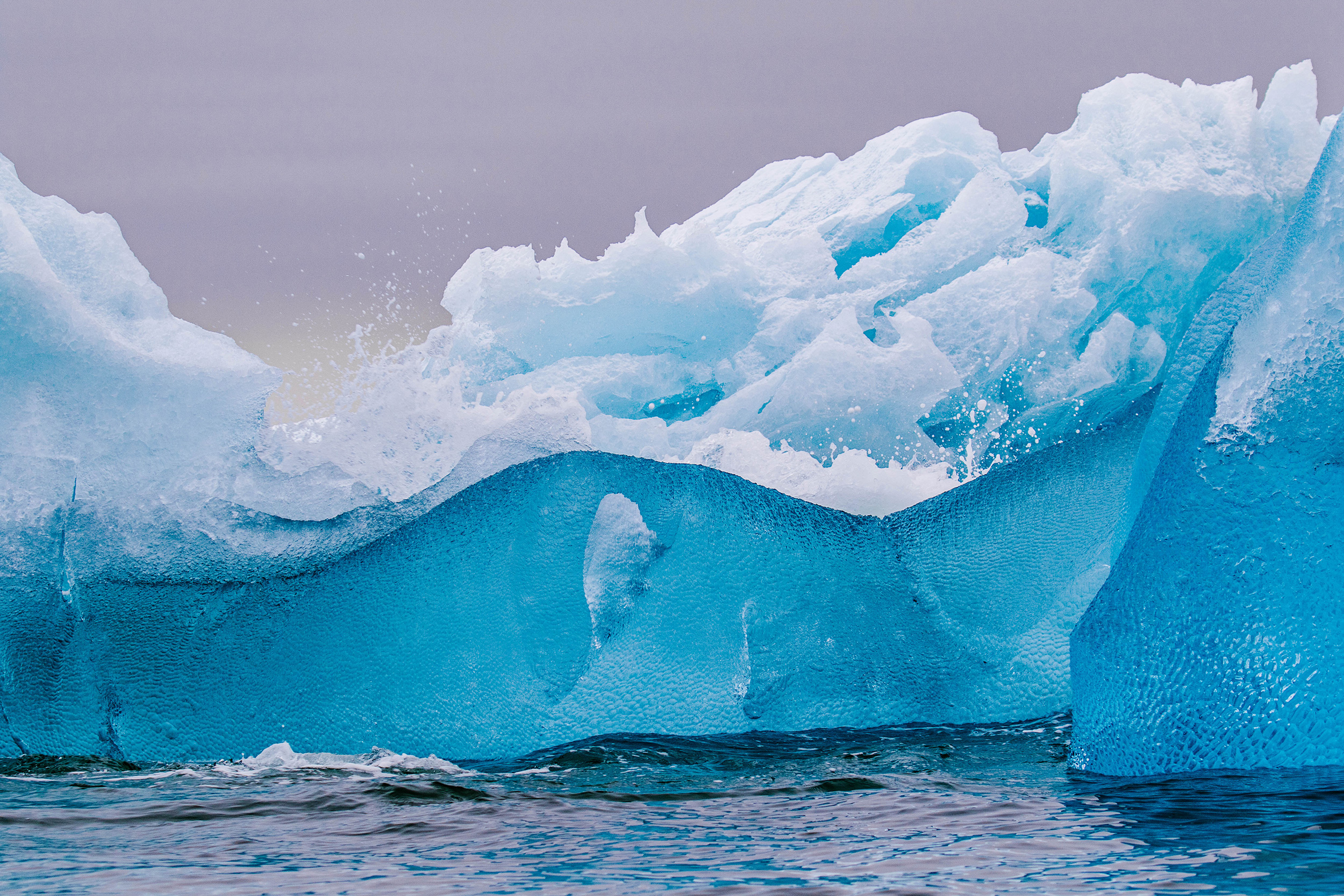 © Melissa Schäfer
“I’ve seen the retreat first-hand,” she continues. “There are fjords we travelled over by just a few years ago, which are now open water. And because the bears can’t hunt seals, now they go after reindeer. A few years ago, no-one had seen it and now it's normal. But polar bears, can’t survive on reindeer. And the reindeer themselves are starving because the unstable weather brings freezing rain and covers the grasses they feed on in thick ice.”
“It can all seem so remote and far away, and that’s how it felt to me when I was in Germany,” she admits. “But that’s very dangerous and untrue, because now we see climate change doesn’t stay there. It’s all over Europe with flooding and fires, and it should make us realise how small and delicate the world really is.”
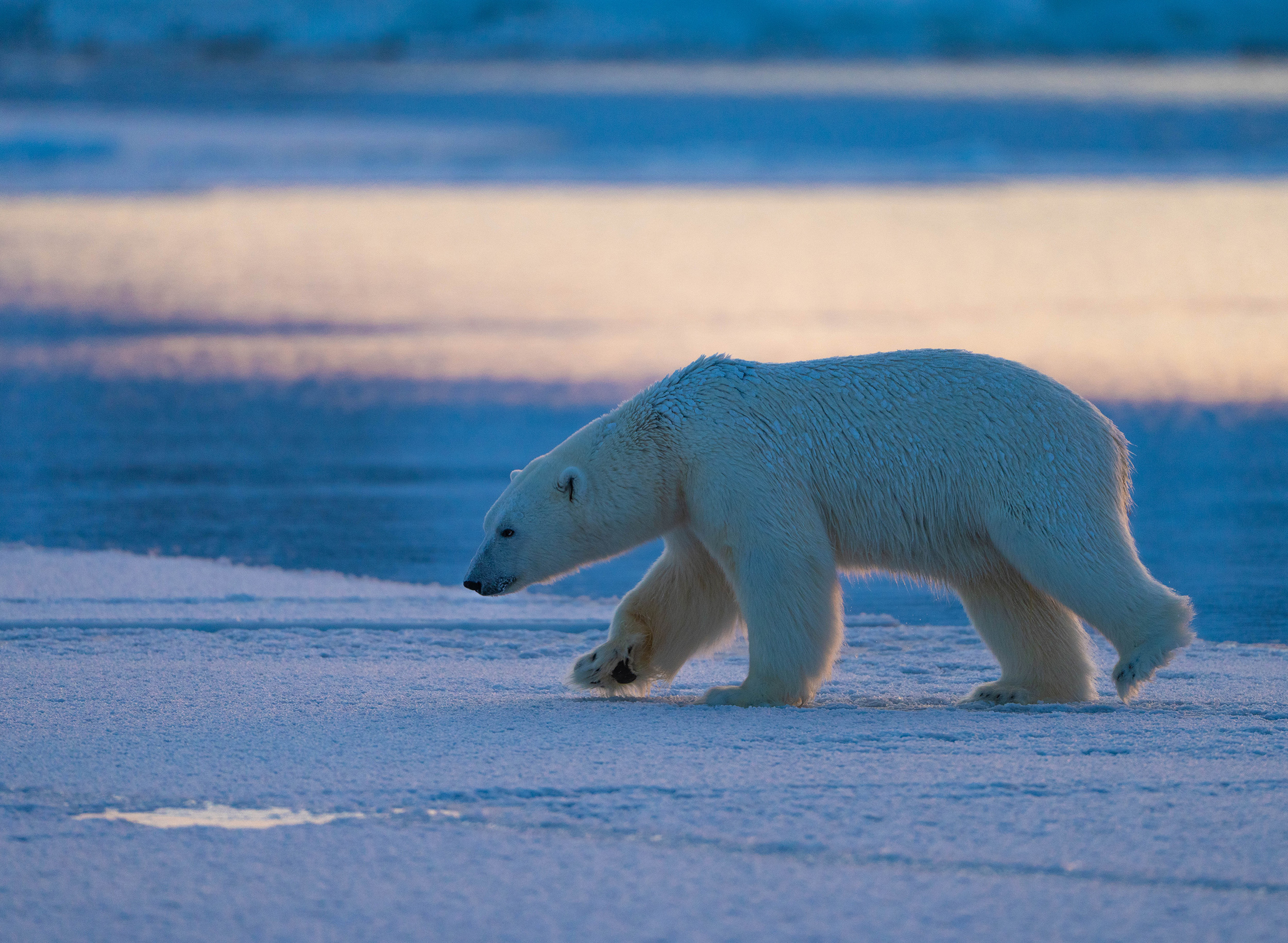 © Melissa Schäfer | Sony α1 + FE 600mm f/4 GM OSS | 1/800s @ f/4.0, ISO 640
“Photography can close this gap,” Melissa insists. “I want people to fall in love with places even if they feel they’re not accessible. I want them to love the birds, the ice, the light, the polar bears, and of course, Helen. No matter if you're in the UK, or Germany or Sweden, when you care about a place or an animal, it makes you think about your actions.”
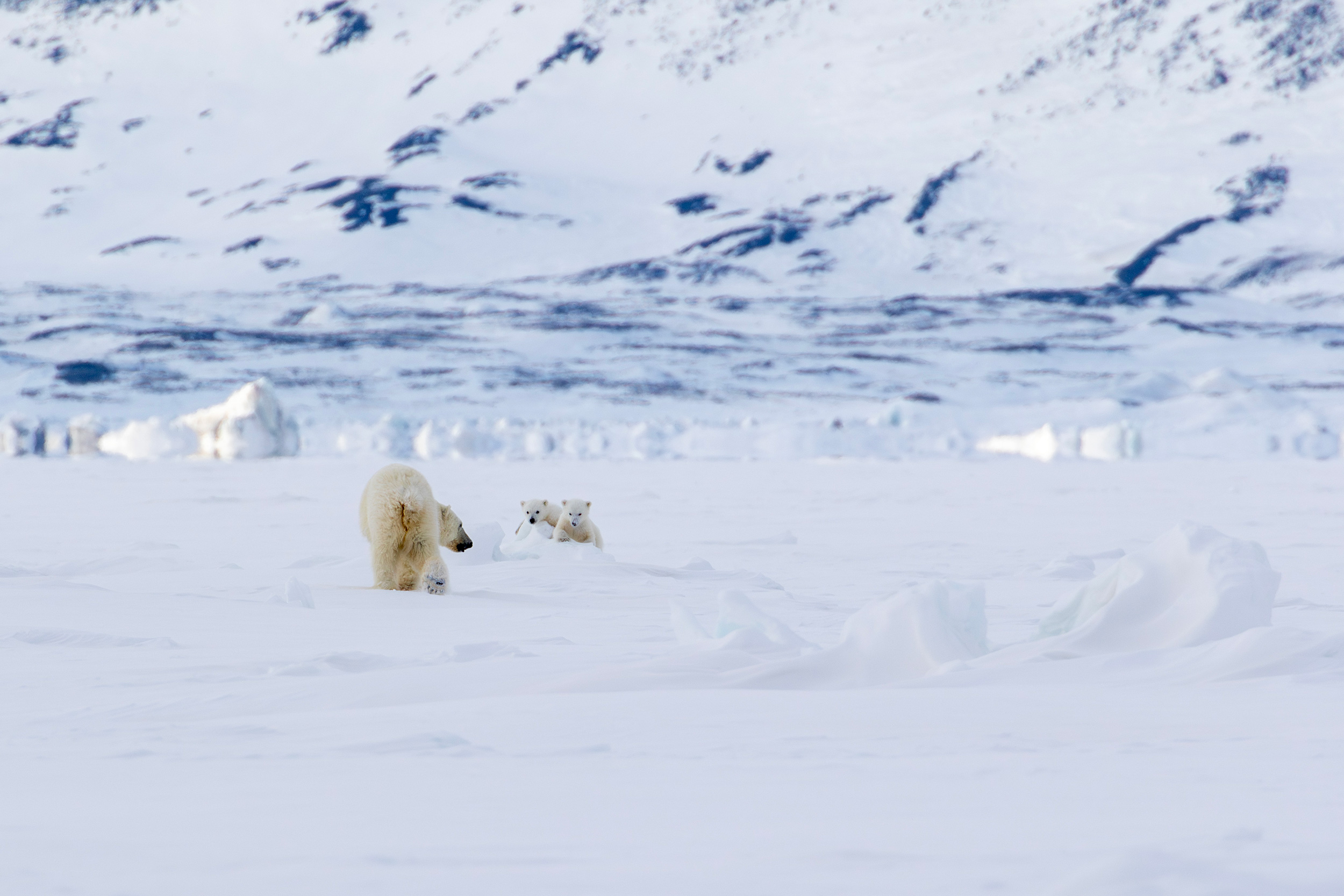
While that first experience of meeting Helen was transformative for Melissa, she points out the importance of keeping a respectful distance. It protects the people and the bears. “It’s such a strange thing,” she explains. “You don't really want them too close, but you can’t get enough of looking at them. They’re all big and dangerous. Some are curious and shy. Some are out of blood. So when we see a bear is stressed or it's a young mother hunting, then we leave.”
 © Melissa Schäfer
“To disturb or stress animals while recording their natural behaviour is totally unethical,” she continues, “and that includes things like baiting, forcing encounters that are unsafe for the animal and manipulating their environment. For all intents and purposes, as photographers, we should be invisible to them.”
As well as working from ships, vehicles, and her innate respect for the subject, Melissa’s Sony gear helps her to remain at a safe distance while making sure that every moment is recorded in perfect clarity. A long-time user of the Sony Alpha 1, she leans on its incredible autofocus, which lets her pick out bears amid the jumble of ice and spray, as well as its 30fps shooting speed. Working in the Arctic dawn and dusk also means dealing with low light, so the Alpha 1’s impeccable ISO performance comes into play, too.
Keeping a respectful distance also comes from Melissa using lenses like the FE 400-800mm f/6.3-8 G OSS, FE 400mm f/2.8 GM OSS and FE 600mm f/4 GM OSS, while the Sony Alpha 1’s incredible 50Mp resolution not only brings amazing details, but also allows more effective cropping.
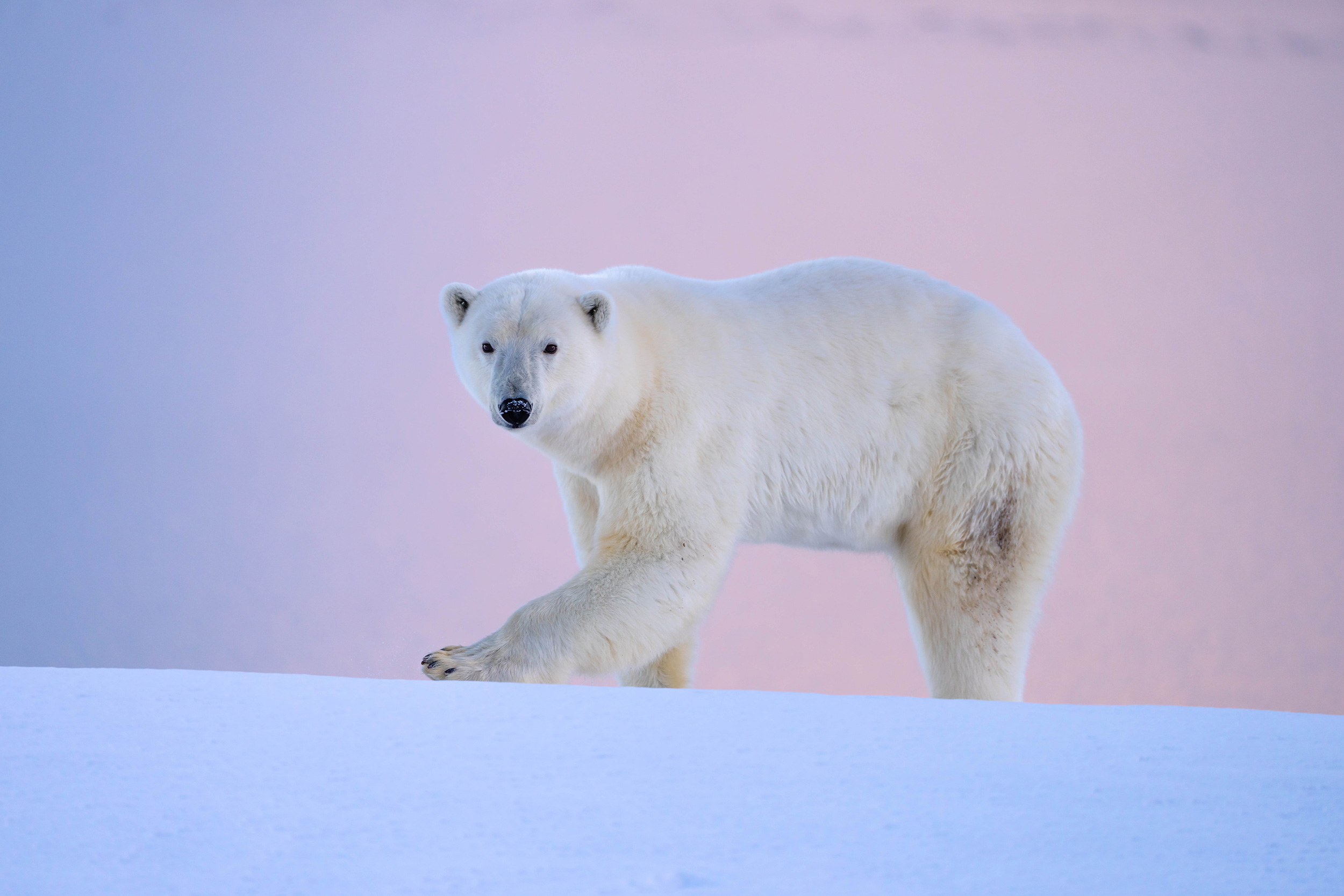 © Melissa Schäfer | Sony α1 + FE 600mm f/4 GM OSS | 1/1000s @ f/4.0, ISO 250
“I make photos because words cannot describe the beauty of a bear… how they move, how they put their head down to smell the snow and all of their body language,” she finishes. “But photography has never been just about capturing wildlife. It’s about discovering the world and changing on a personal level. Getting close to my first polar bear was a gateway to a new world, a new life. In just one moment, Helen showed me what it means to truly live in the present and proved that anything is possible.”
“Once, when we went back to the east coast, I think I saw Helen. Of course, I can’t say 100% that it was her, but she was in the same place and the right kind of age. This time she had two cubs. I often think about them, and I hope her cubs will have their own brood one day, but unless we can stop the changes that are making their lives so hard, who knows?”