
Wildlife Made Easy
Kyle van Bavel
For those who do not know me yet, my main passion is macro photography, which I share on @kylevanbavel. I love slowing down and discovering the overlooked details in nature. Over the past few months, I have started combining that love of nature with wildlife photography, and it has opened up a new side of photography for me.
I am still learning, experimenting and making mistakes along the way. Wildlife photography can look intimidating, especially when you see photographers carrying heavy equipment into remote landscapes. At first, I wondered whether I needed specialist knowledge, expensive equipment or access to rare animals to create strong images.
I soon discovered that wildlife photography can begin much closer to home. A local park, lake, woodland path, coastline or even your own garden can offer plenty of opportunities. Birds are everywhere once you start noticing them, and rewarding moments can happen during a short walk around the neighbourhood.
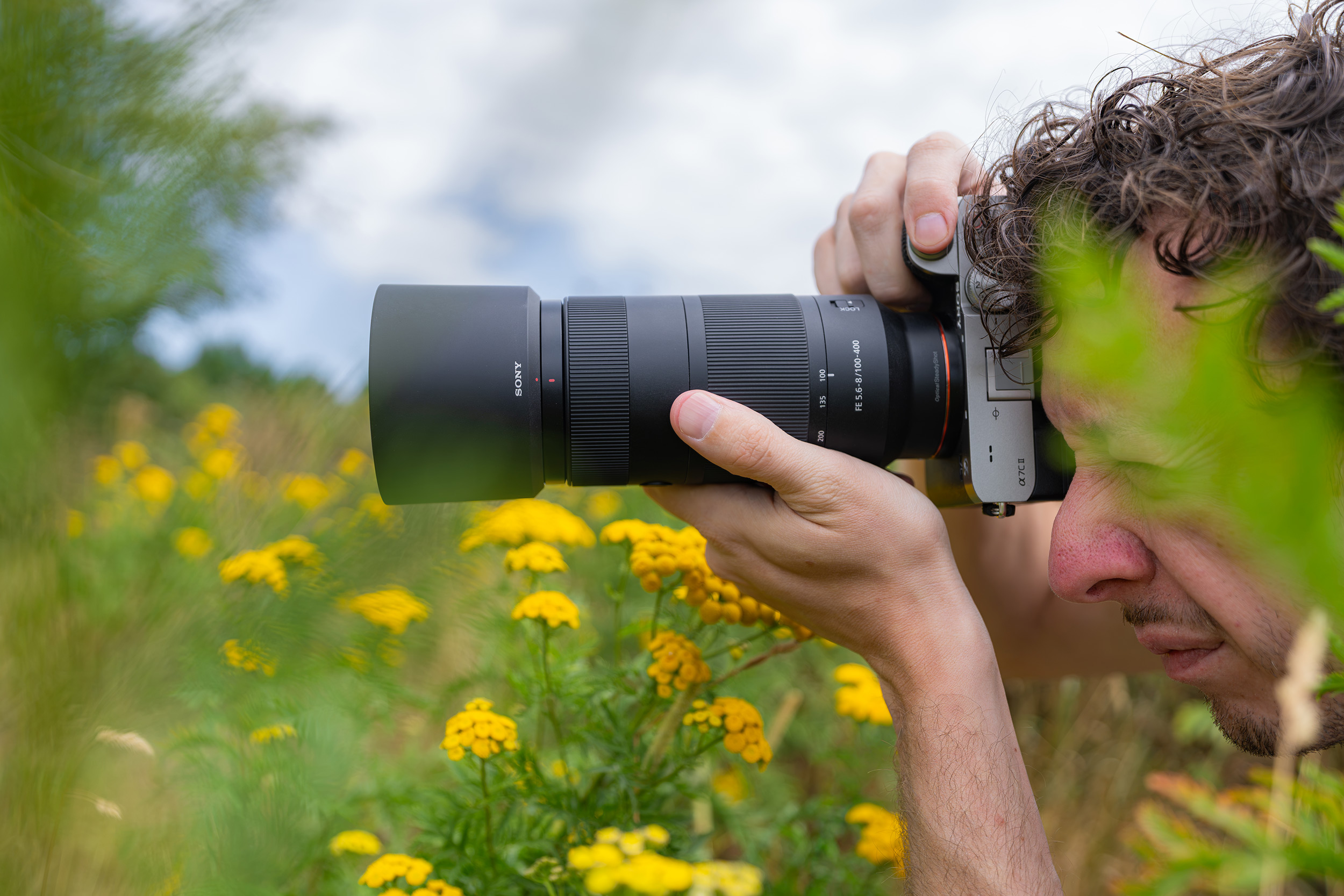
When Sony asked me to try the new FE 100-400mm f/5.6-8 OSS, I was excited to see what it could do. After testing it in real-world situations, I was impressed by its performance and image quality for the price. More importantly, it made wildlife photography feel approachable.
 © Kyle van Bavel
The first thing I noticed was how compact and light the lens felt. Considering its versatile 100-400mm focal range, its size is impressive. Despite its low weight, the build quality feels solid, and it feels like a lens designed to be carried regularly rather than reserved only for special trips.
That matters when you are spending several hours outdoors timing and focus. Larger animals can teach you about composition, background separation and patience. You do not have to travel far and wide to photograph wildlife.
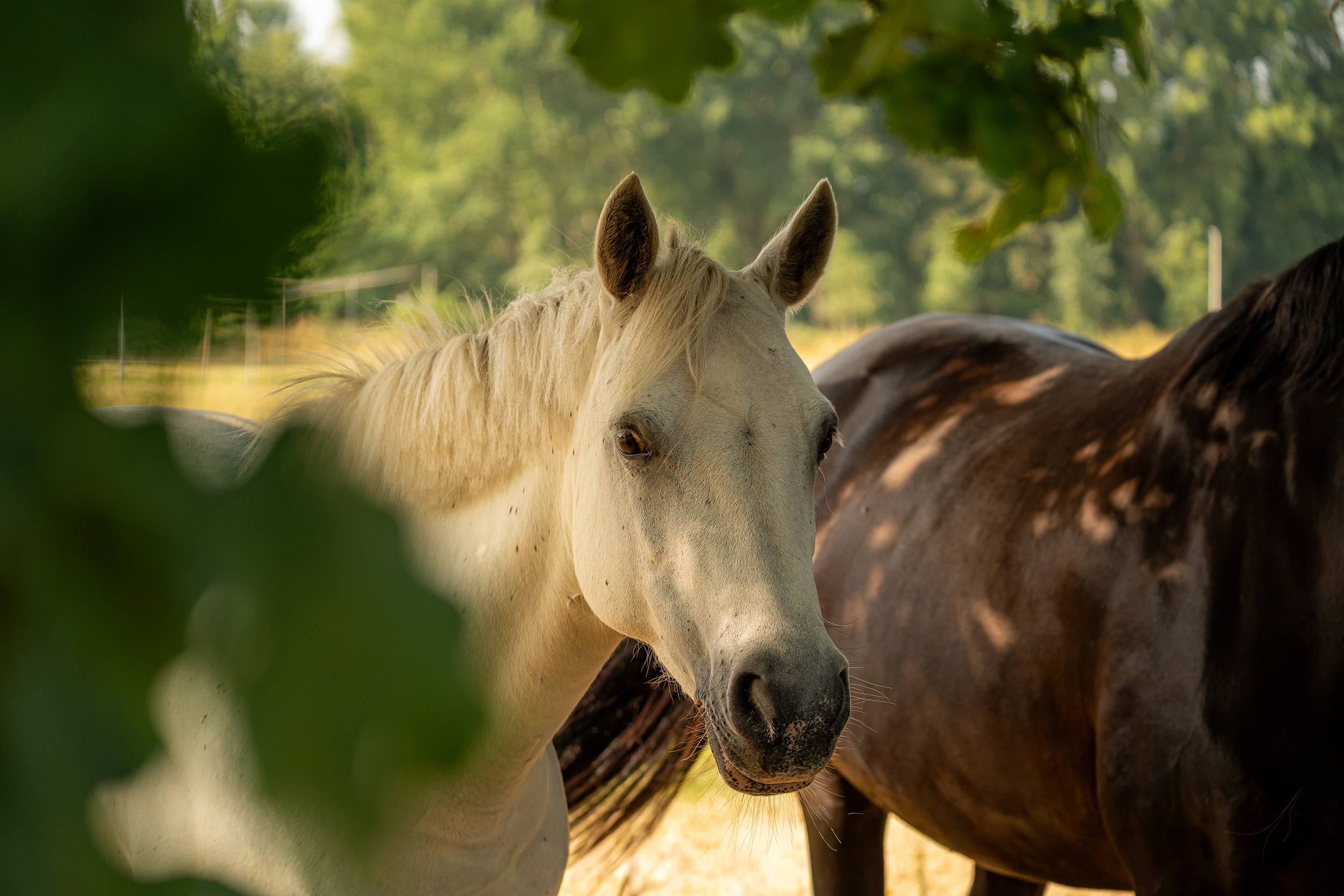 © Kyle van Bavel | Sony α7C II + FE 100-400mm f/5.6-8 OSS | 1/1000s @ f/5.6, ISO 800
One mistake I made early on was focusing too much on getting very close. I thought a successful image needed the subject to fill the frame. Over time, I learned that the surroundings are just as important. Leaving space around an animal can reveal its habitat and often tell a stronger story.
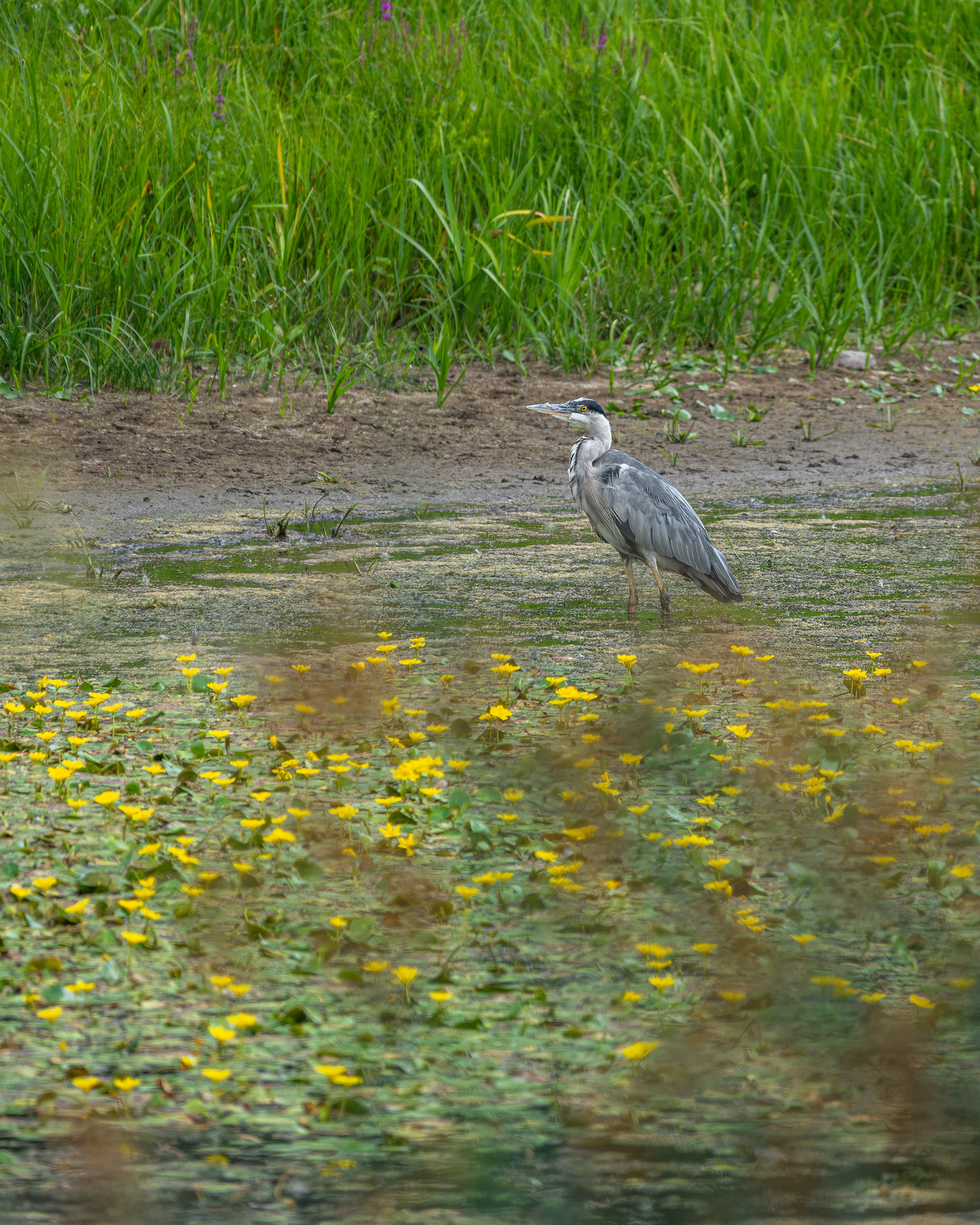 © Kyle van Bavel | Sony α7C II + FE 100-400mm f/5.6-8 OSS | 1/1000s @ f/8, ISO 640
I also learned how much backgrounds matter. Coming from macro photography, I already understood how a soft, uncluttered background can transform an image. The same applies to wildlife. By moving slightly, getting lower or simply waiting for the right moment, you can often create a cleaner and more balanced result.
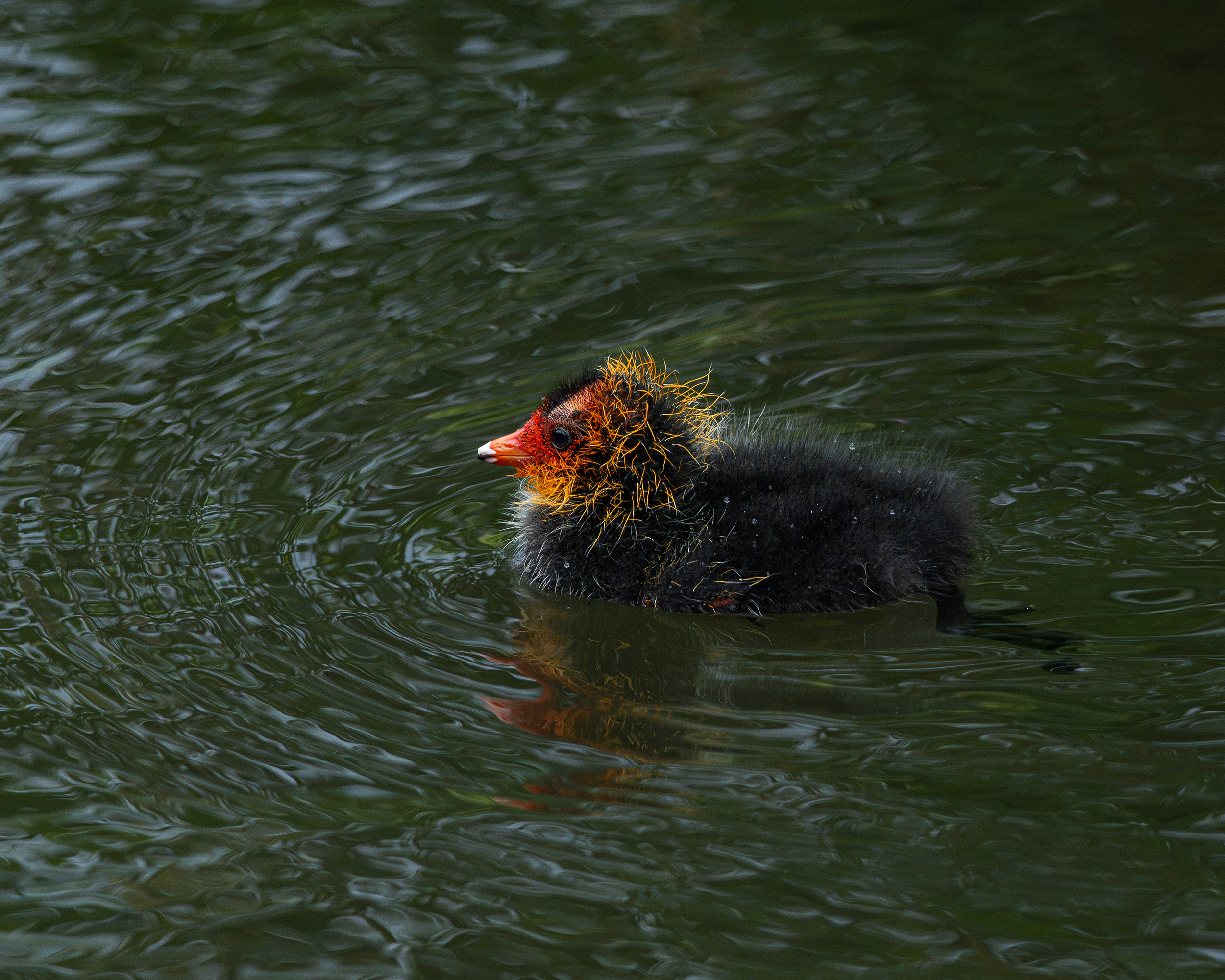 © Kyle van Bavel | Sony α7C II + FE 100-400mm f/5.6-8 OSS | 1/1000s @ f/8, ISO 1600
Another mistake was expecting every walk to produce a perfect image. Even when you return with very little, you still learn where birds like to sit, how the light changes and how animals behave. I wish I had known earlier that these quieter moments are not wasted. They are part of improving.
A lens like the Sony FE 100-400mm f/5.6-8 OSS could have helped me learn faster, because its useful range keeps the experience simple. At 100mm, you can include more of the surroundings or photograph larger animals. At 400mm, you can isolate smaller or more distant subjects. This flexibility lets you practise different styles with one lens.
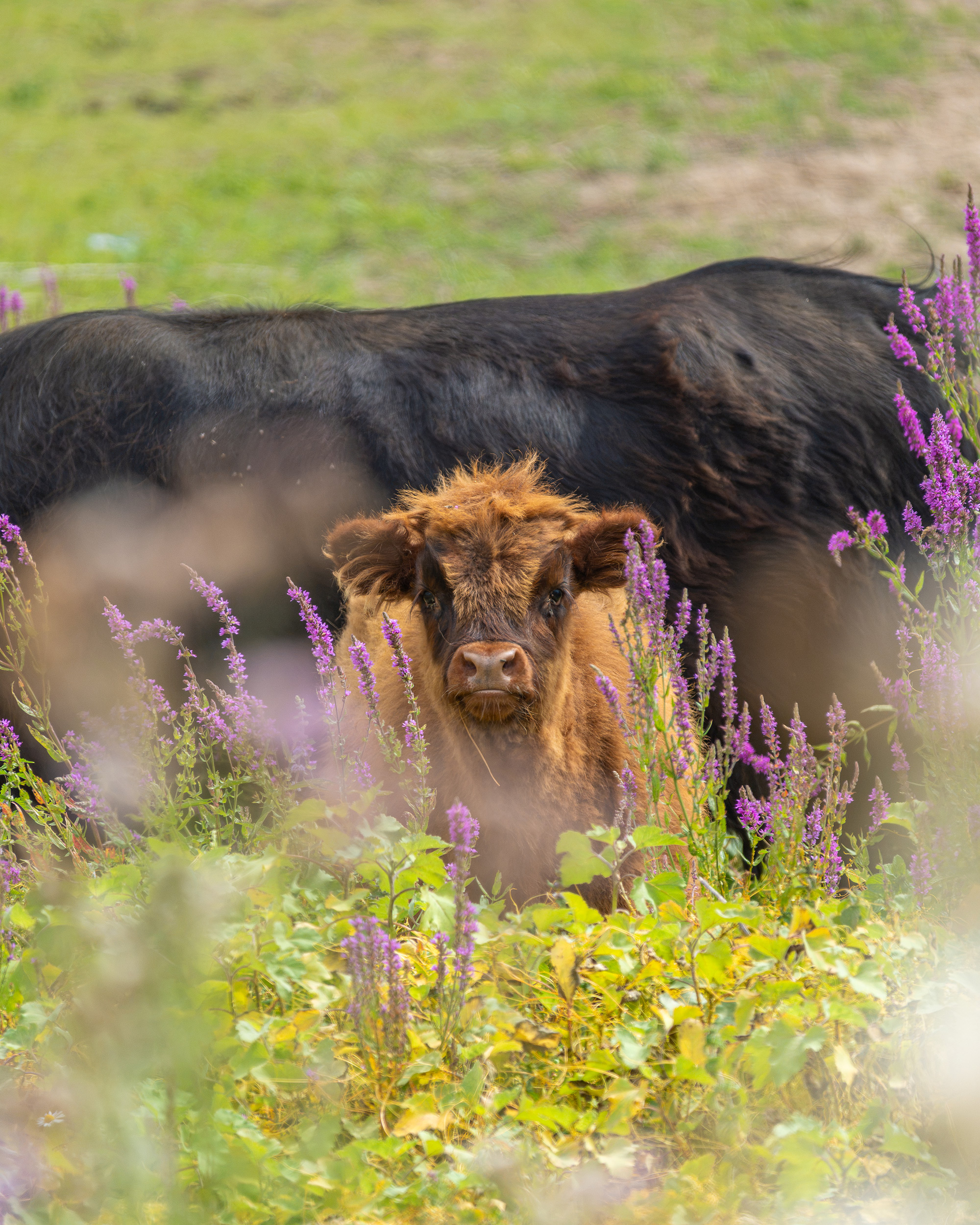 © Kyle van Bavel | Sony α7C II + FE 100-400mm f/5.6-8 OSS | 1/1000s @ f/8, ISO 640
Combined with the right settings on the full-frame Sony Alpha 7C II, the lens delivers impressive image quality. I mainly used subject tracking with Eye AF to keep an animal’s eye sharp, even when it was moving. This allowed me to concentrate more on composition and timing, rather than constantly worrying about focus.
The autofocus feels fast and responsive, while the built-in stabilisation keeps the view smooth and steady when shooting handheld. This is especially useful because wildlife moments often happen instantly. The lens gave me the confidence to keep following the subject instead of hesitating.
The lens is also a strong match for a full-frame camera. On the Sony Alpha 7C II, it uses the full sensor area, delivering excellent detail, natural depth and plenty of versatility. At 100mm, you can include the surroundings. At 400mm, you can isolate birds from a respectful distance. I also love the soft, natural bokeh, which reduces distractions and separates the subject beautifully. The detailed full-frame files also give me useful cropping freedom when a bird remains smaller in the frame than expected.
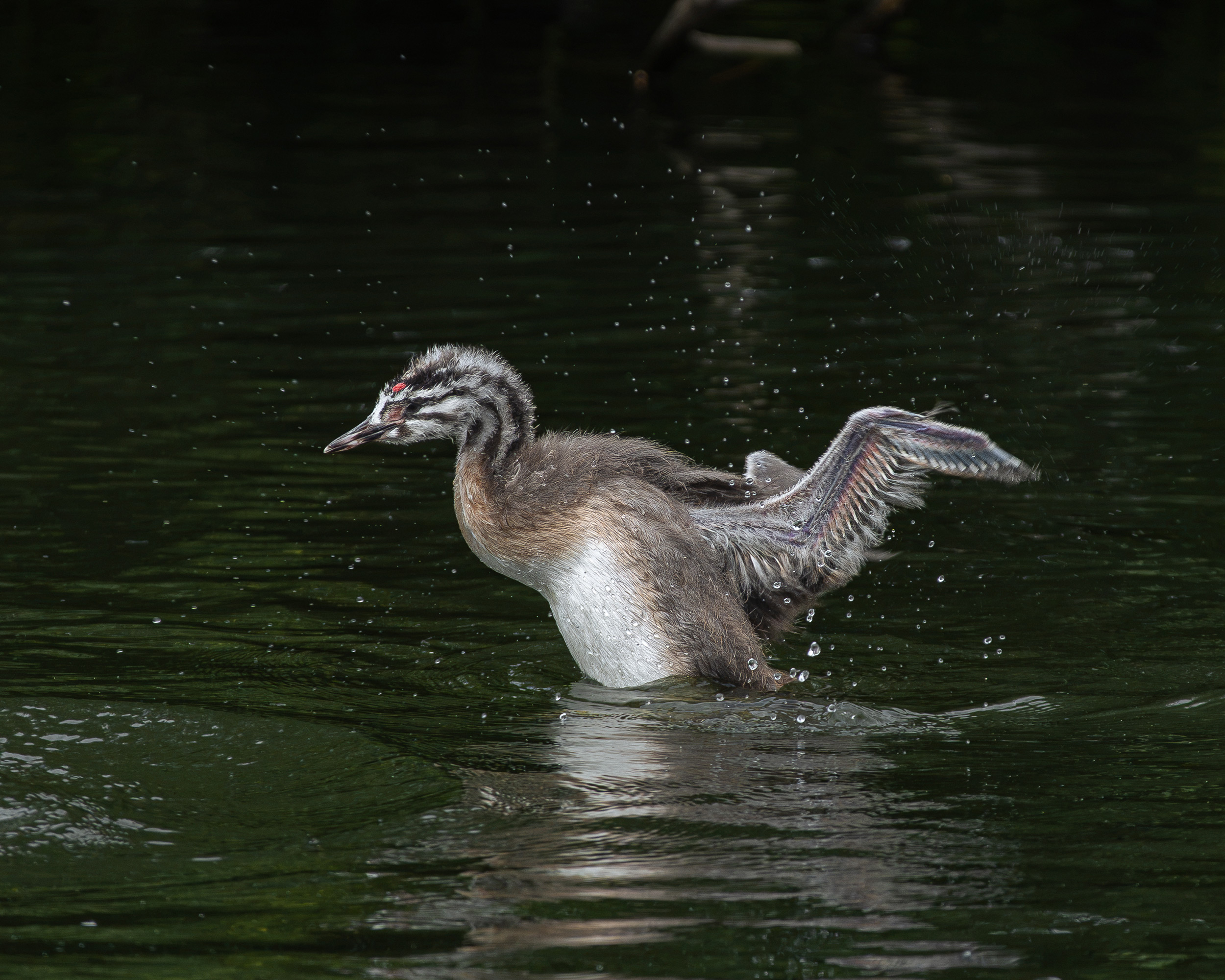 © Kyle van Bavel | Sony α7C II + FE 100-400mm f/5.6-8 OSS | 1/1000s @ f/8, ISO 400
For even more reach, the lens is compatible with Sony’s teleconverters. With the 1.4x teleconverter, 100mm becomes 140mm and 400mm becomes 560mm, creating a 140-560mm focal range with a maximum aperture of f/8-11.
With the 2.0x teleconverter, 100mm becomes 200mm and 400mm becomes 800mm, creating a 200-800mm focal range with a maximum aperture of f/11-16. You can use the standard range for general wildlife, then add extra reach for smaller or more distant birds without carrying another lens.
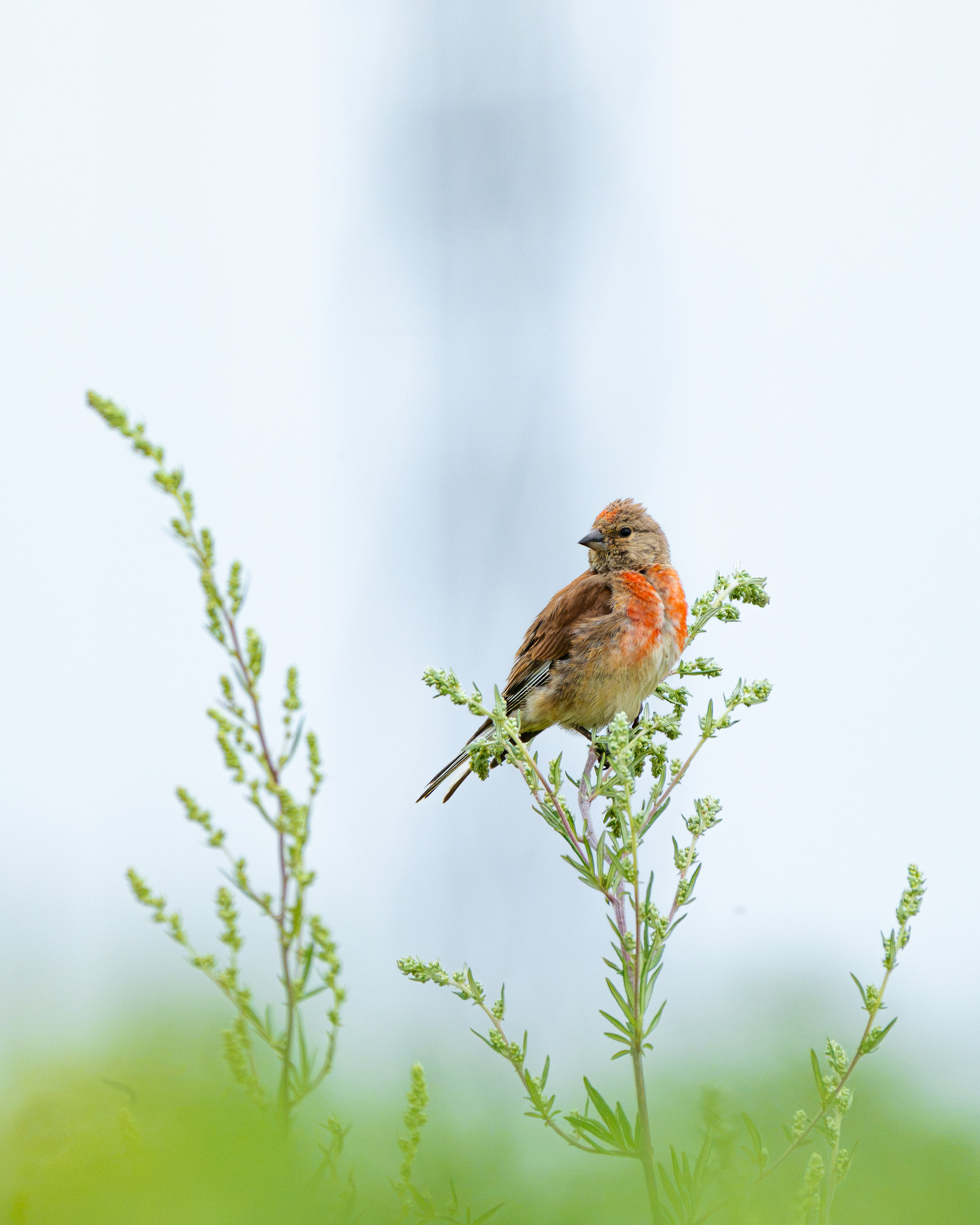 © Kyle van Bavel | Sony α7C II + FE 100-400mm f/5.6-8 OSS + 2x Teleconverter | 1/1000s @ f/16, ISO 400
Most importantly, the lightweight setup made the whole experience more enjoyable. I could explore for longer, move freely and capture wildlife comfortably. It also made spontaneous photography much easier. You can visit a local lake after work, cycle through a nearby nature area, walk around your neighbourhood or photograph birds in your garden without planning a major expedition.
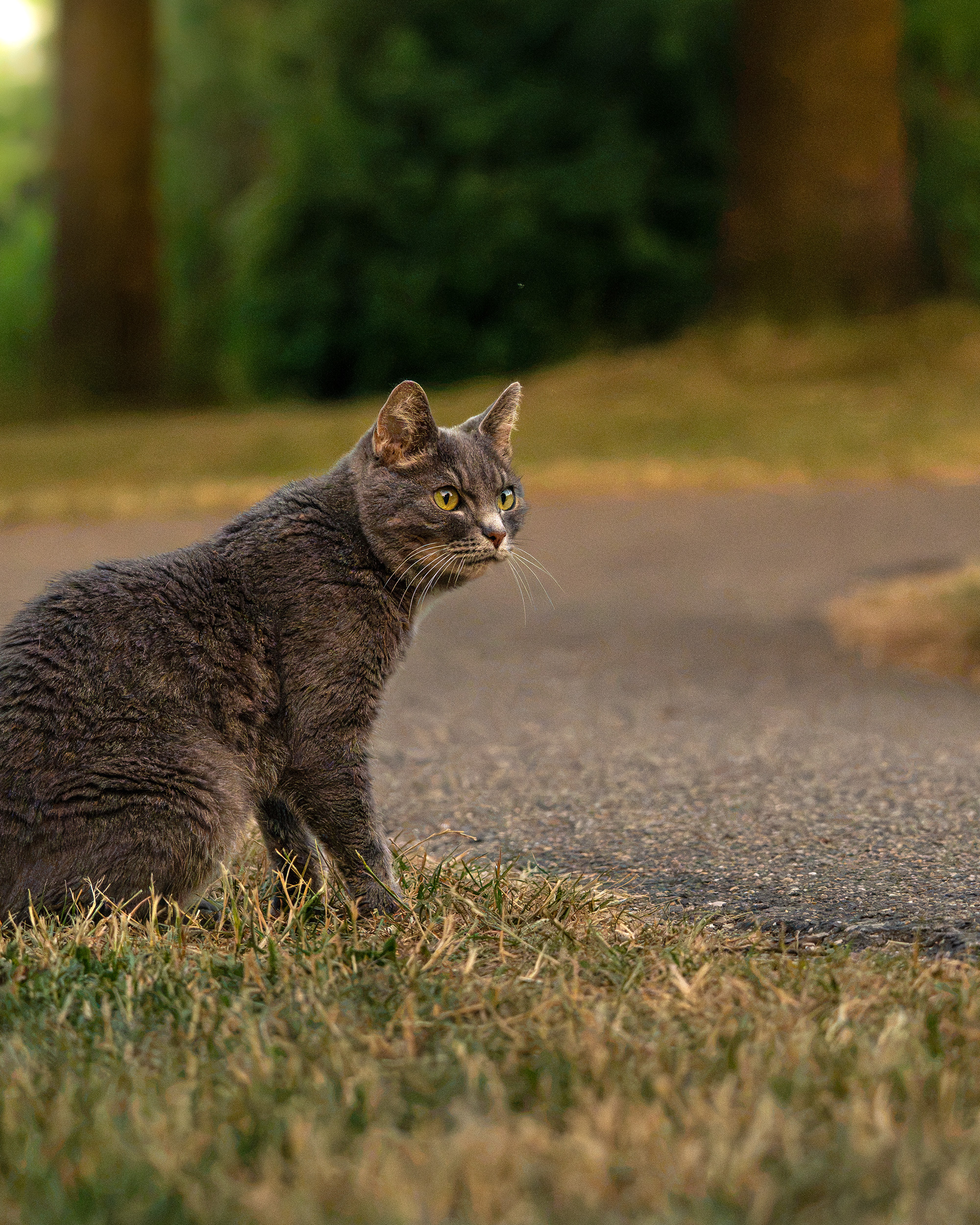 © Kyle van Bavel | Sony α7C II + FE 100-400mm f/5.6-8 OSS | 1/1000s @ f/8, ISO 12800
The Sony FE 100-400mm f/5.6-8 OSS shows that telephoto wildlife photography does not need to feel intimidating or physically demanding. It can be lightweight, approachable and spontaneous. You do not need a perfect location or years of experience. Start with what is close to you, observe how animals move and give yourself permission to make mistakes.
With a compact and versatile lens, patience and a willingness to explore, wildlife photography can become an achievable and deeply enjoyable part of your photography journey.”


