
Big Cat Community
Chris Schmid
For 12 years, wildlife photographer and filmmaker Chris Schmid has been tackling one of the great paradoxes of wildlife conservation: to help save and protect one of the last untouched wildernesses on Earth, you must show it to people.
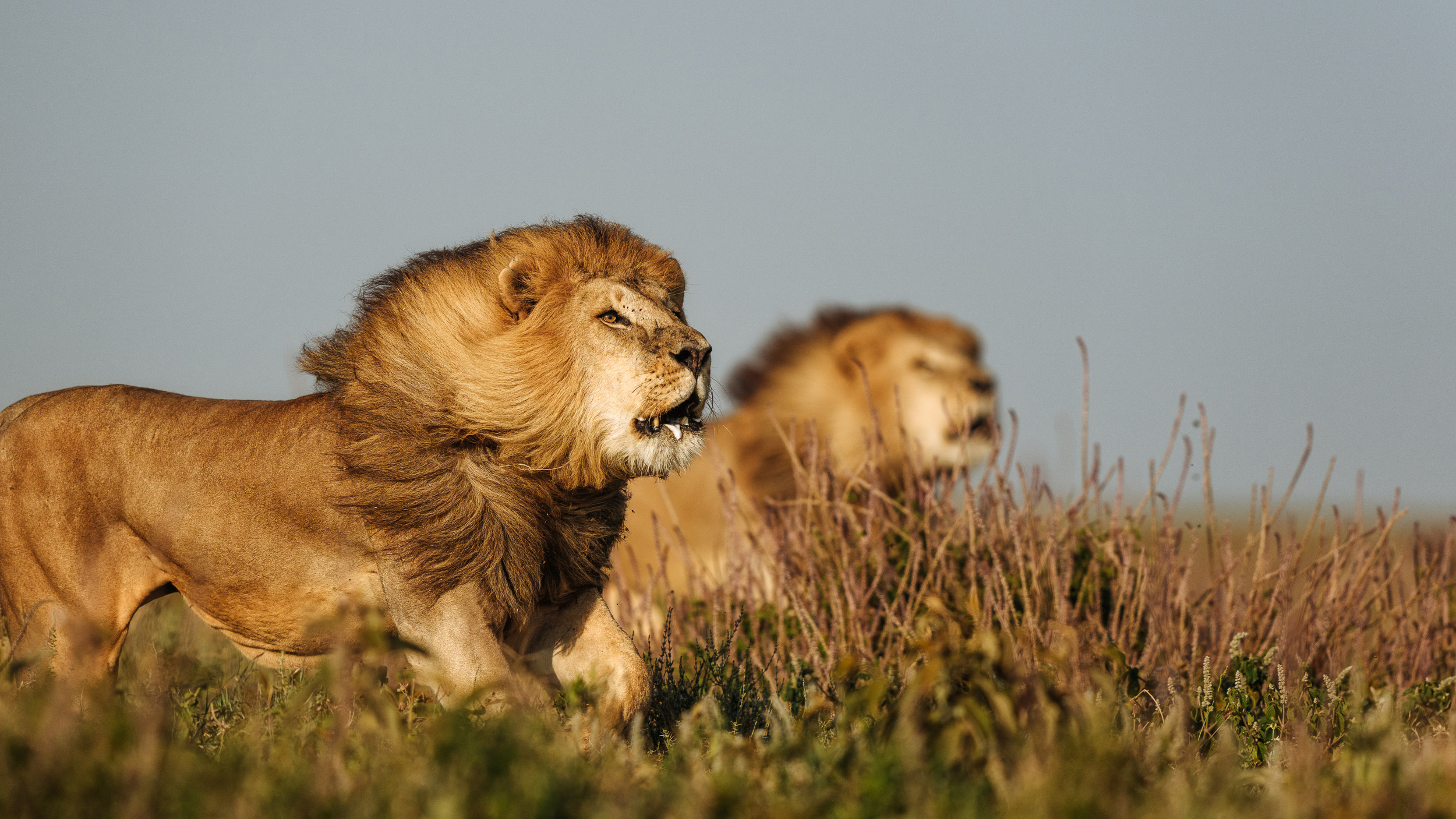 © Chris Schmid | Sony α1 II + FE 400mm f/2.8 GM OSS | 1/3200s @ f/4.0, ISO 250
“It is important to share the beauty of this place,” says the Swiss photographer. “You need to make people really understand the value of lions and cheetahs and to want to protect this place.” It is a complex issue that Chris has been documenting through photography and film for the last decade. “If you want to protect this place,” says Chris, “you need to have the people in place in the local community to do the jobs. You can’t ask people to protect wildlife when they have no food and no money. When tourists go to Africa and stay in a lodge, they are giving jobs to local communities and more incentive to protect this beautiful land. But of course, protection also means managing tourism carefully - avoiding overtourism and enforcing strict government regulations in the parks. It’s a delicate balance between conservation, tourism, and the well-being of both wildlife and local communities.”
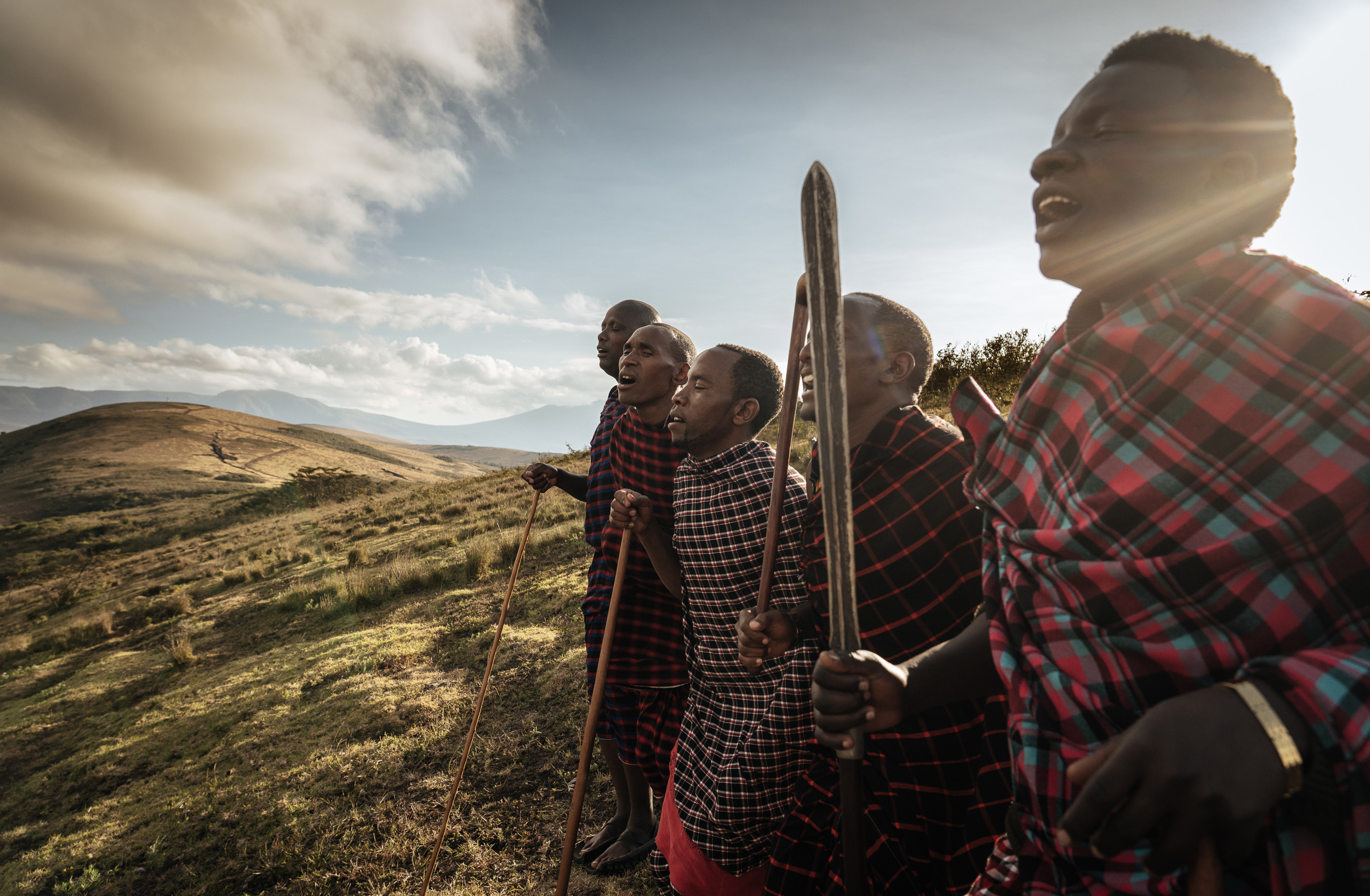 © Chris Schmid | Sony α1 + FE 24-105mm f/4 G OSS | 1/1250s @ f/5.6, ISO 500
“For example, not so long ago,”’ continues Chris, “the Maasai used to kill lions. Hunting and killing a lion was a ritual, proof that a boy was becoming a man. However, they have now stopped that tradition. They understand the value of a lion is so much more than a trophy. The Maasai protect the lions and protect their home.”
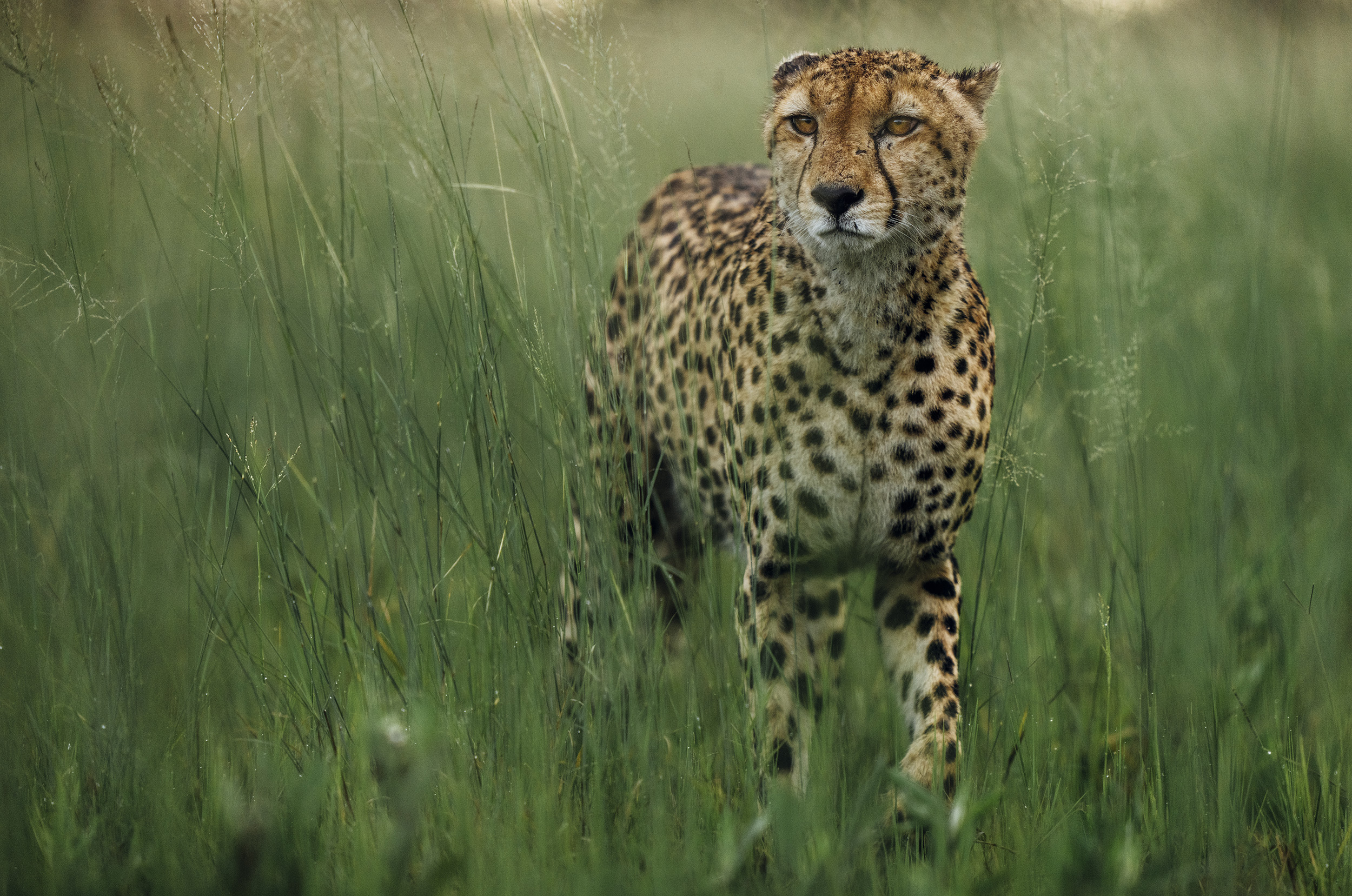 © Chris Schmid | Sony α1 + FE 400mm f/2.8 GM OSS | 1/1250s @ f/3.2, ISO 500
Coming from Europe’s increasingly domesticated landscapes is what spurred Chris’s passion and drive to make a change through his conservation imagery. “If you look at Europe, we have nothing left. We have plenty of money and everything we want, but it is increasingly difficult to find a truly wild place. I want to be part of ensuring that there is still a place for future generations where they can feel at one with nature.”
For his work with the Nomad Trust in Tanzania and the Botswana Natural Selection Foundation, Chris relies on his Sony Alpha camera and lenses to give him the freedom to photograph and film animals, conservationists, and communities, and support the work of the charities.
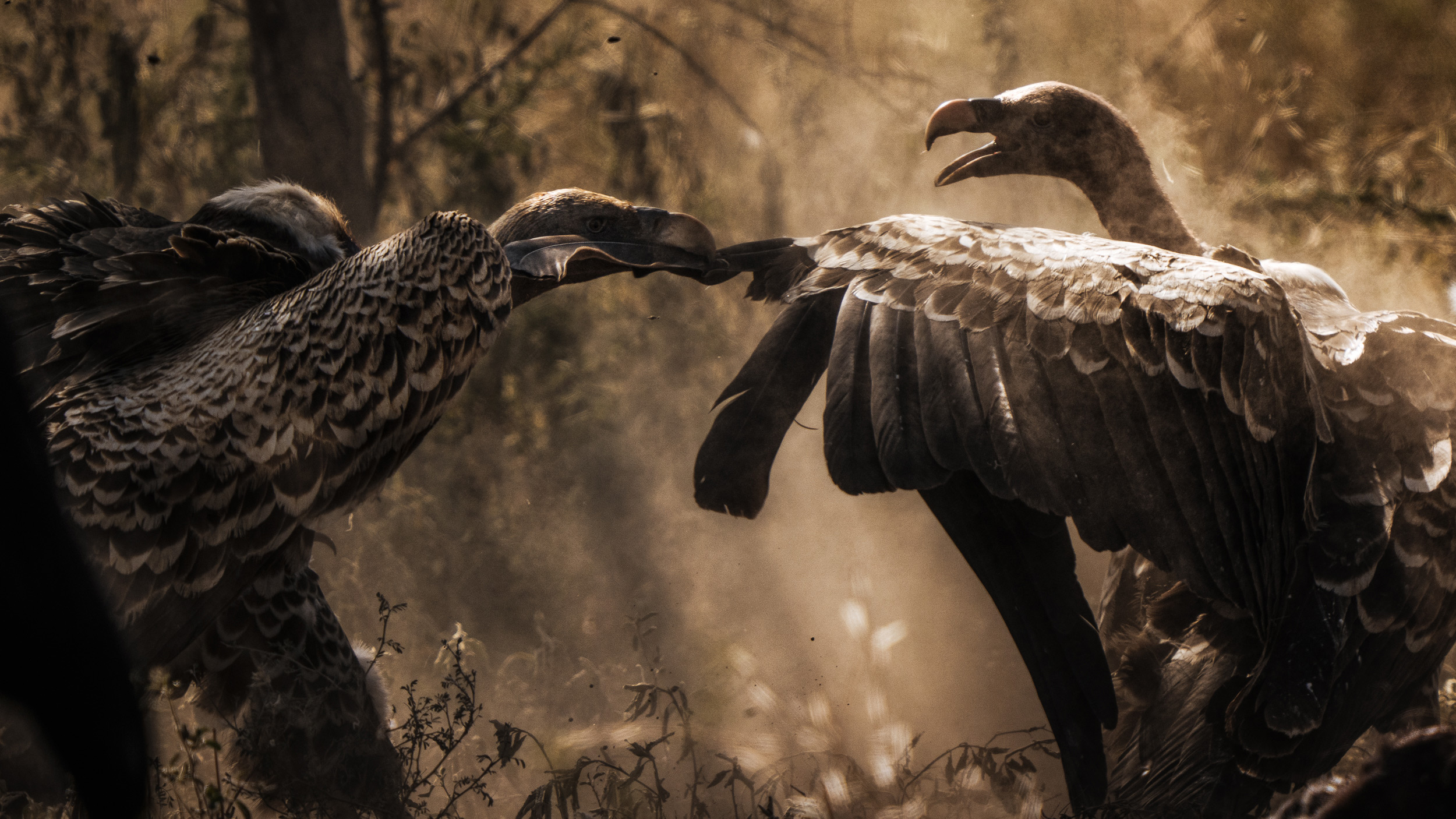 © Chris Schmid | Sony α1 II + FE 400mm f/2.8 GM OSS + 1.4x Teleconverter | 1/2500s @ f/5.0, ISO 400
“A normal day usually involves waking up before sunrise, at 4 am. We have permits that specifically allow us to enter and film in the reserve, which is another way for money to be reinvested directly into the reserve and the local community. We usually track an individual animal to tell its story, so we travel back to where we last saw it and begin tracking. We are looking for prints or other signs of animal behaviour. The goal is to find them before sunrise, so we have the best light for photographing and filming them. Additionally, when photographing lions, the temperature can rise very quickly. Often by 9 am it is so hot already that the lions are lying flat,” Chris laughs. “The cheetahs are different - they move around almost all day, still avoiding the harsh temperatures of noon.”
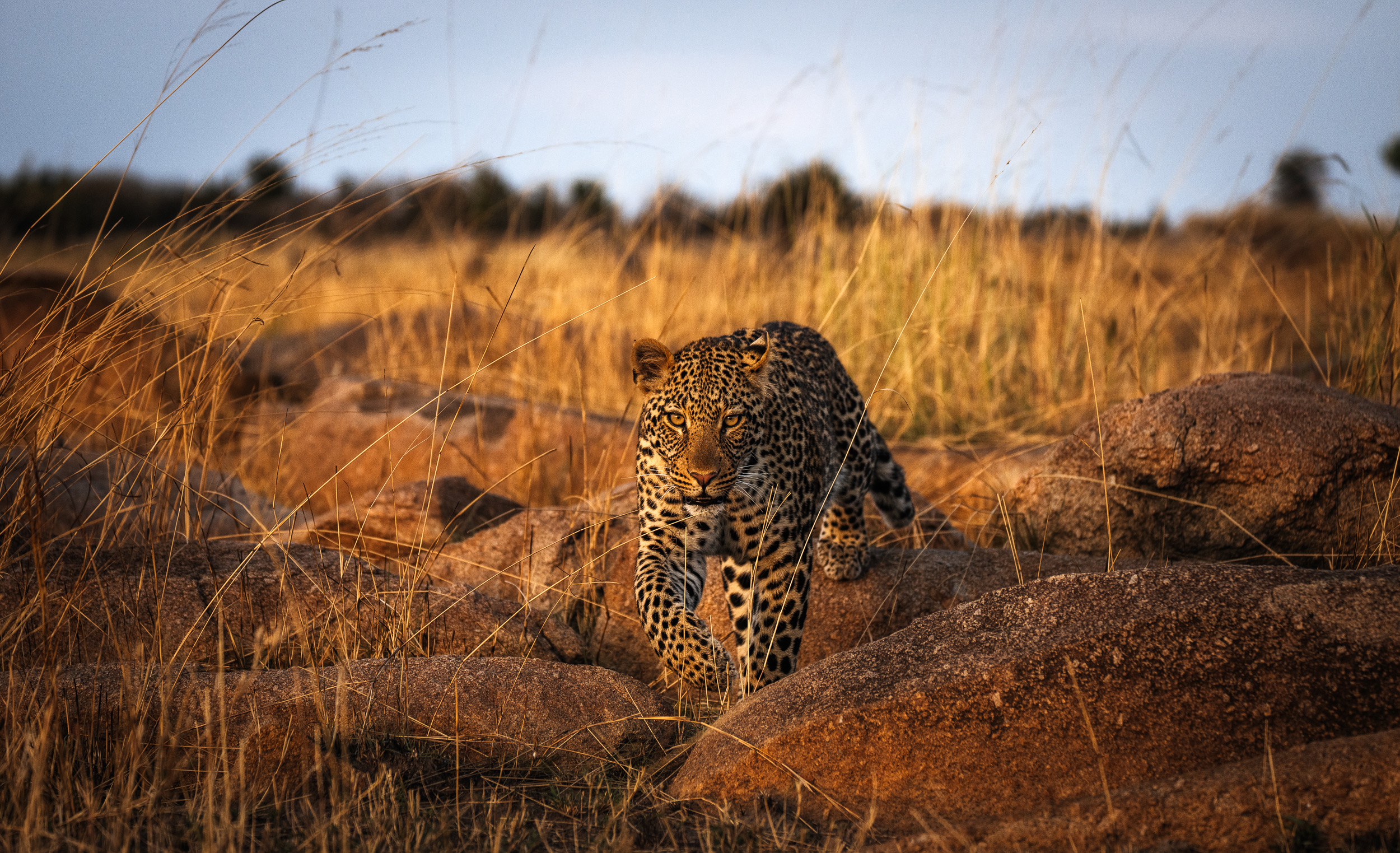 © Chris Schmid | Sony α1 + FE 100-400mm f/4.5-5.6 GM OSS | 1/800s @ f/5.6, ISO 640
Human relationships are just as meaningful as the wildlife that Chris is photographing, and for the last 10 years, he has worked with the same local guides. “It makes the job easier,” he explains. “We know and understand each other.”
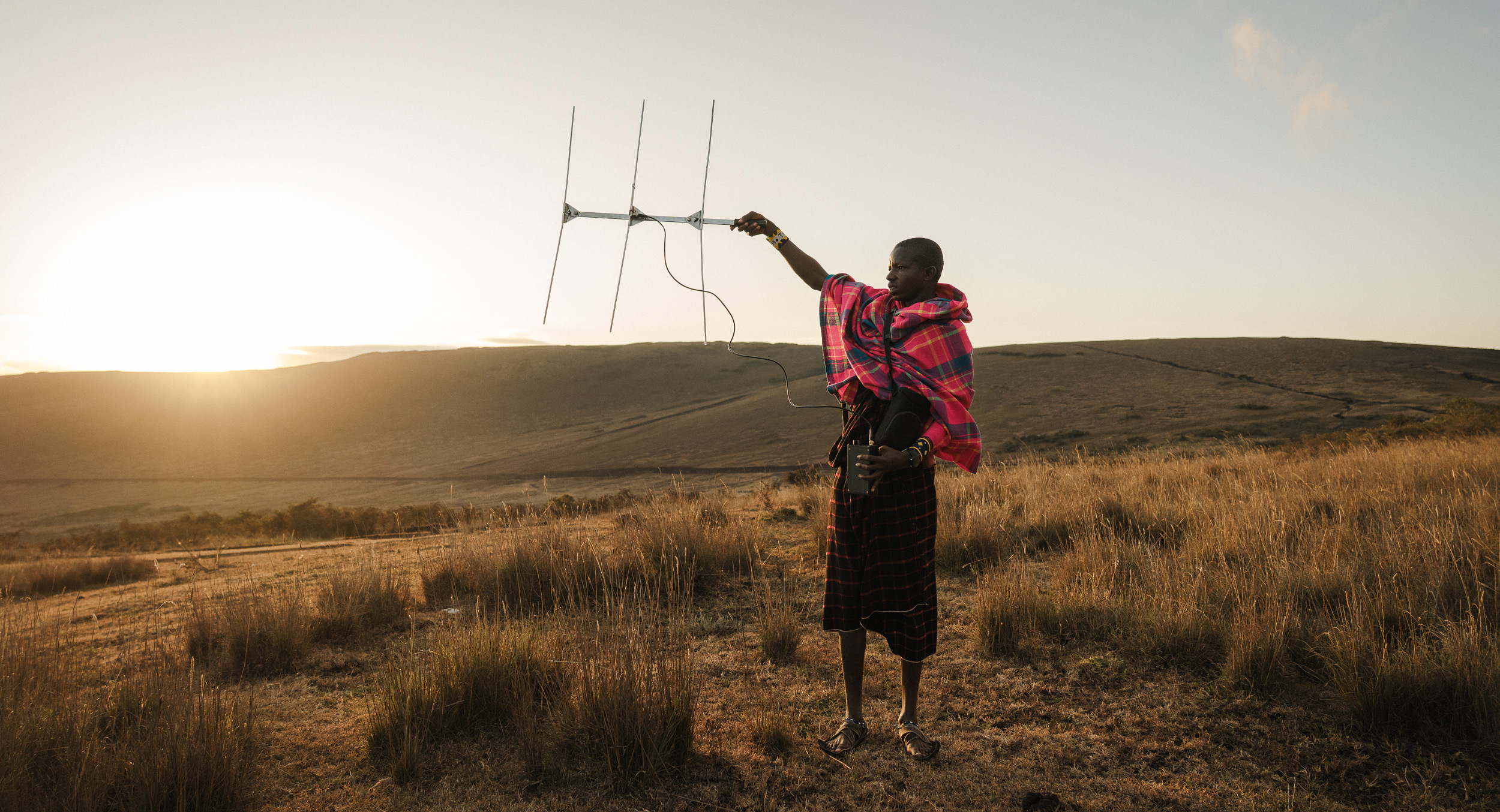 © Chris Schmid | Sony α1 + FE 24-105mm f/4 G OSS | 1/1250s @ f/4.0, ISO 500
In the Ngorongoro Crater Area in Tanzania, the Nomad Trust work with the local Maasai population by helping monitor the lions. “Some lions love to go after the local livestock, so over the years they have put a collar on these particular animals. If these lions get too close to local livestock, the Masaai or local farmers will receive an on their phone, and the farmers will put their livestock back in boma - a safe place to protect them from the lions. Working in this manner with lions, local communities come to understand that it is possible to live besides lions without killing them. By tracking them in this way, you protect both the livestock and the lions, as well as the people. It is completely different to how we work in Europe. For example, here in Switzerland, we have wolves, and as soon as the wolves start to attack cattle, we kill them. It’s no surprise then that they have more lions in the Ngorongoro Crater Area than we have wolves now.”
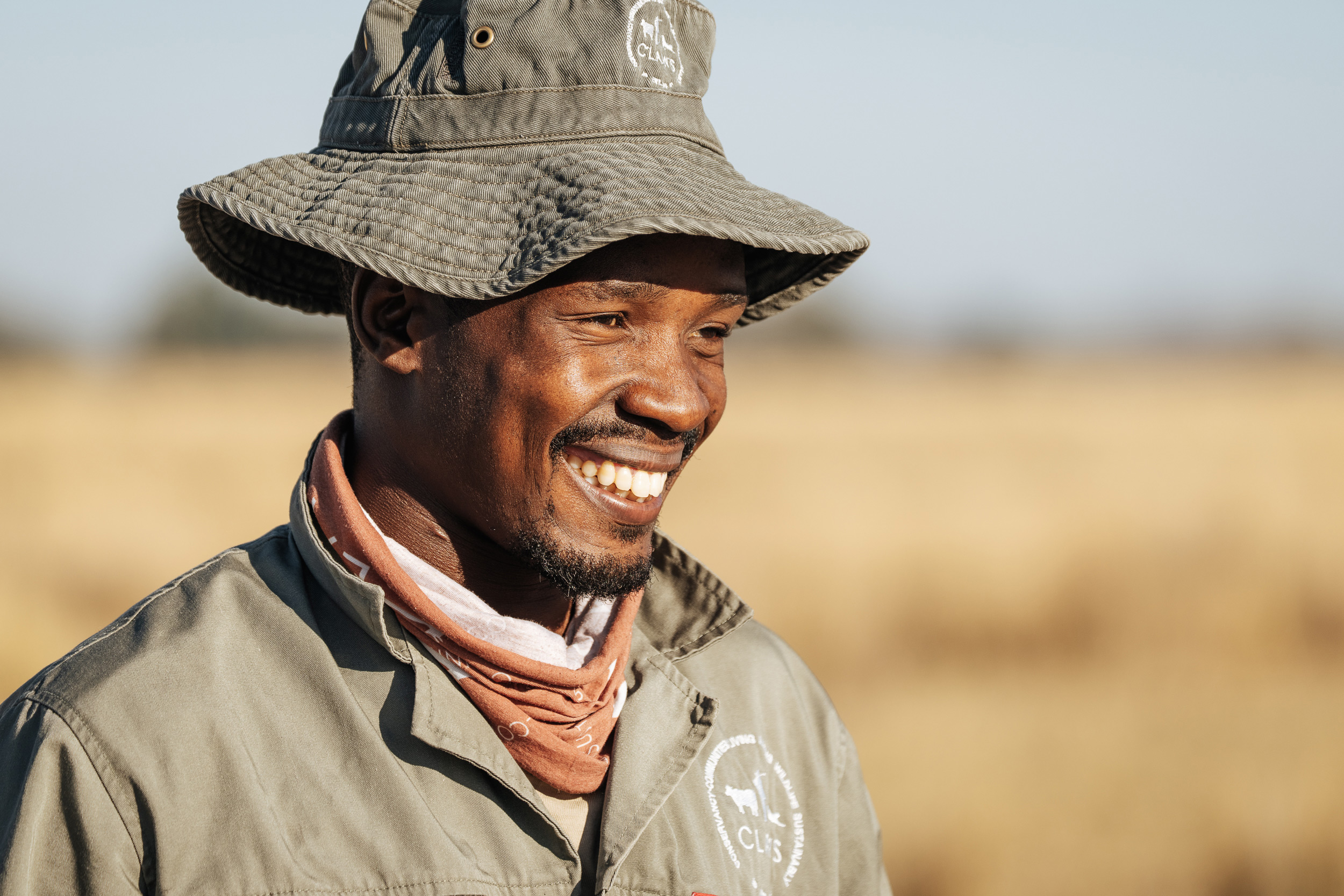 © Chris Schmid | Sony α1 + FE 100-400mm f/4.5-5.6 GM OSS | 1/800s @ f/5.6, ISO 200
To capture incredible images of African wildlife, and the people who help to protect it, Chris relies on Sony Alpha cameras and lenses. “I mainly use the Sony Alpha 1 II for photography, and the Sony Alpha 7S III, FX6 and Burano for filming. The reason for using these cameras is the incredible dynamic range and ISO sensitivity performance. I know I can push boundaries all the time when I'm up shooting before sunrise or filming late.”
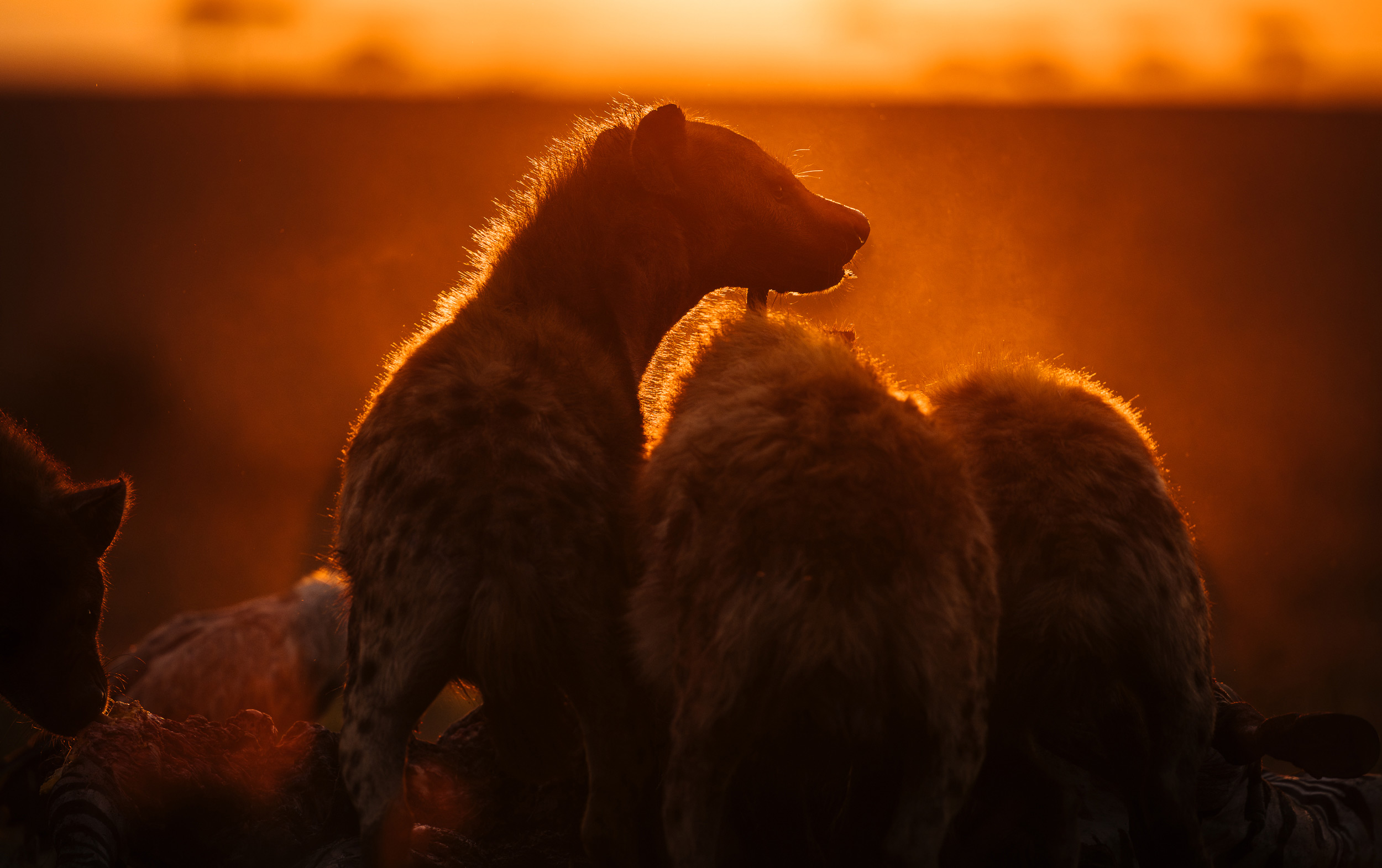 © Chris Schmid | Sony α1 + FE 300mm f/2.8 GM OSS + 1.4x Teleconverter | 1/1000s @ f/4.0, ISO 800
Chris doesn’t shy away from the fact that nature, as he describes, is savage. “Sometimes people think it’s like a zoo, but it’s savage and that is very important to understand. Wildlife is part of our ecosystem. If there aren’t enough predators, then the numbers of herbivores will explode, which is a threat to grasslands because they also won't be constantly moving around to evade predators.”
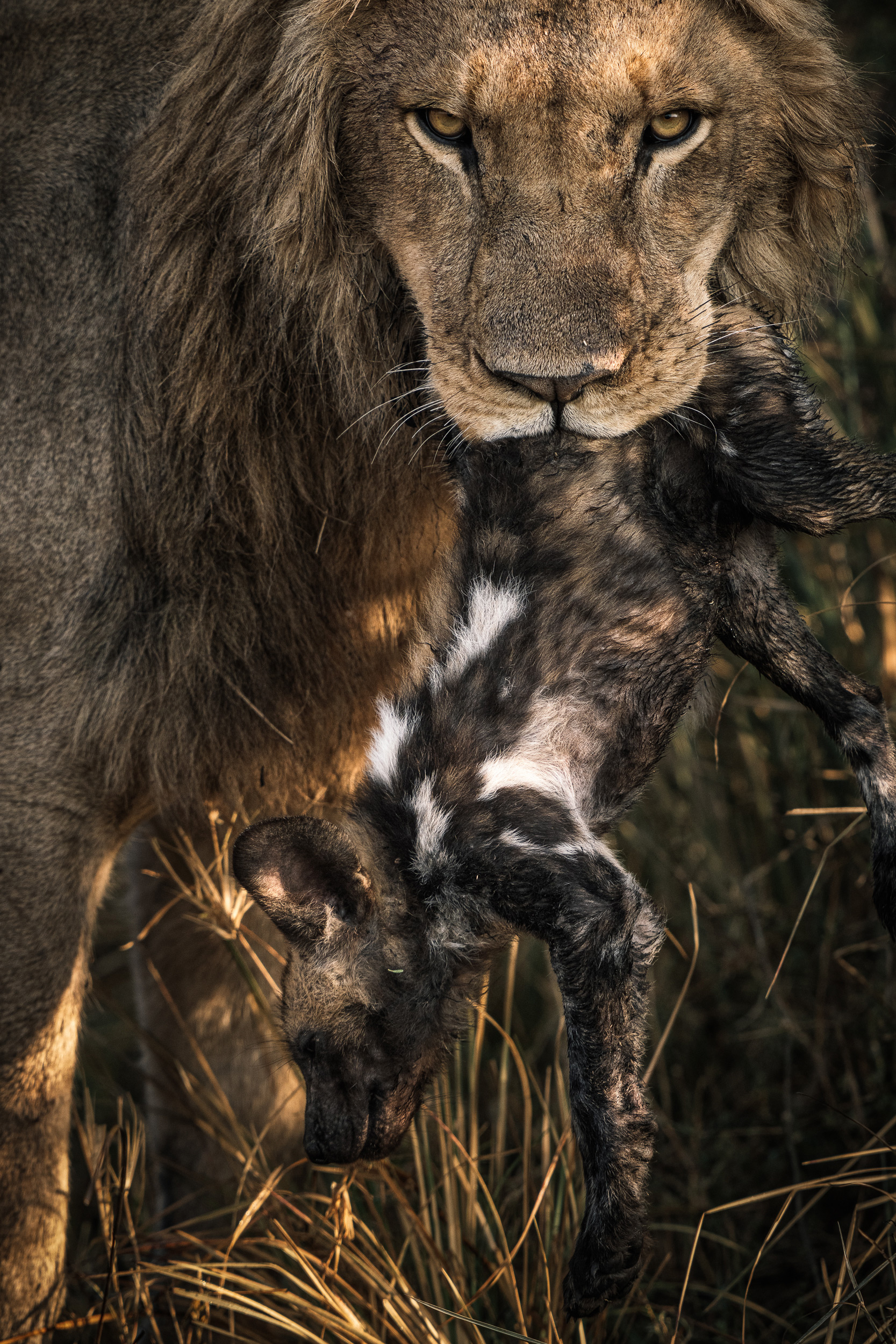 © Chris Schmid | Sony α1 + FE 400mm f/2.8 GM OSS + 1.4x Teleconverter | 1/800s @ f/5.0, ISO 500
Equally, Chris has to remain sensitive to the audience. Creatively, he utilises tools to soften the harsh reality of the ecosystem. “It can be tricky to strike the right balance between graphic images and people not wanting to see them. I enjoy shooting with backlit subjects, which I can do thanks to the high dynamic range of the Alpha 1 II sensor. Shooting backlit means that the viewer sees less detail; they just see the shape of, say, a hyena eating its prey. I want to show people the reality of the bush - this isn’t a cartoon world. Equally, I don’t want to perpetuate the negative myths about certain animals in people's minds. I do that by taking photos that tell the whole story, showing them playing and the family bond. And of course, the cubs - people love the cubs!”
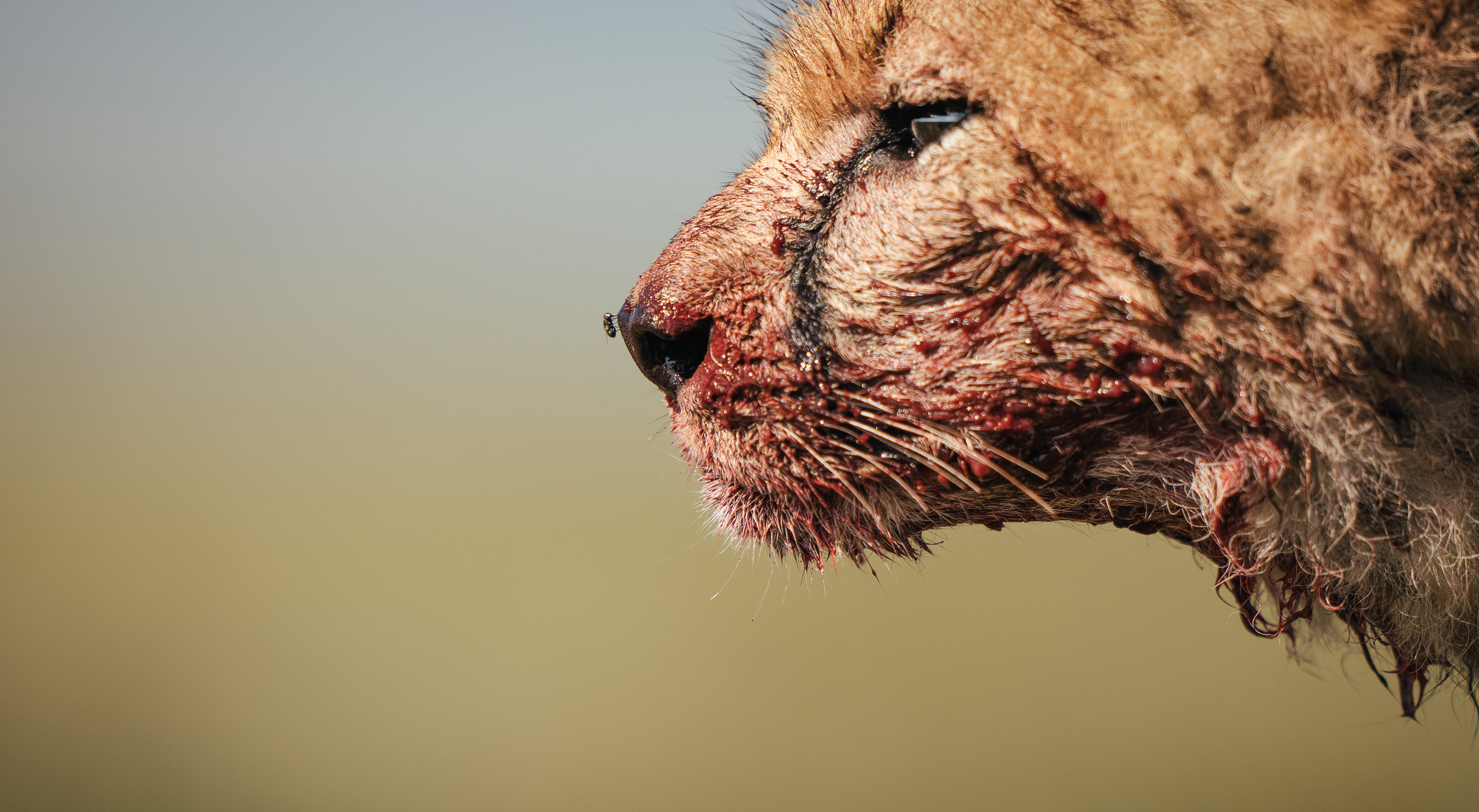 © Chris Schmid | Sony α1 + FE 400mm f/2.8 GM OSS | 1/2500s @ f/2.8, ISO 250
Mounted to his cameras are a variety of lenses, but like any photographer, Chris has his favourites, including the lightweight FE 100-400mm f/4.5-5.6 GM OSS, versatile FE 70-200mm f/2.8 GM OSS II and the FE 300mm f/2.8 GM OSS.
The 300mm lens is fantastic. If you add the 1.4 teleconverter, it becomes a 420mm focal length lens and is very light. If I want to stay lightweight, I can just take this combination and do almost everything with it. As I am always shooting at a distance, I can even shoot landscape shots with it.”
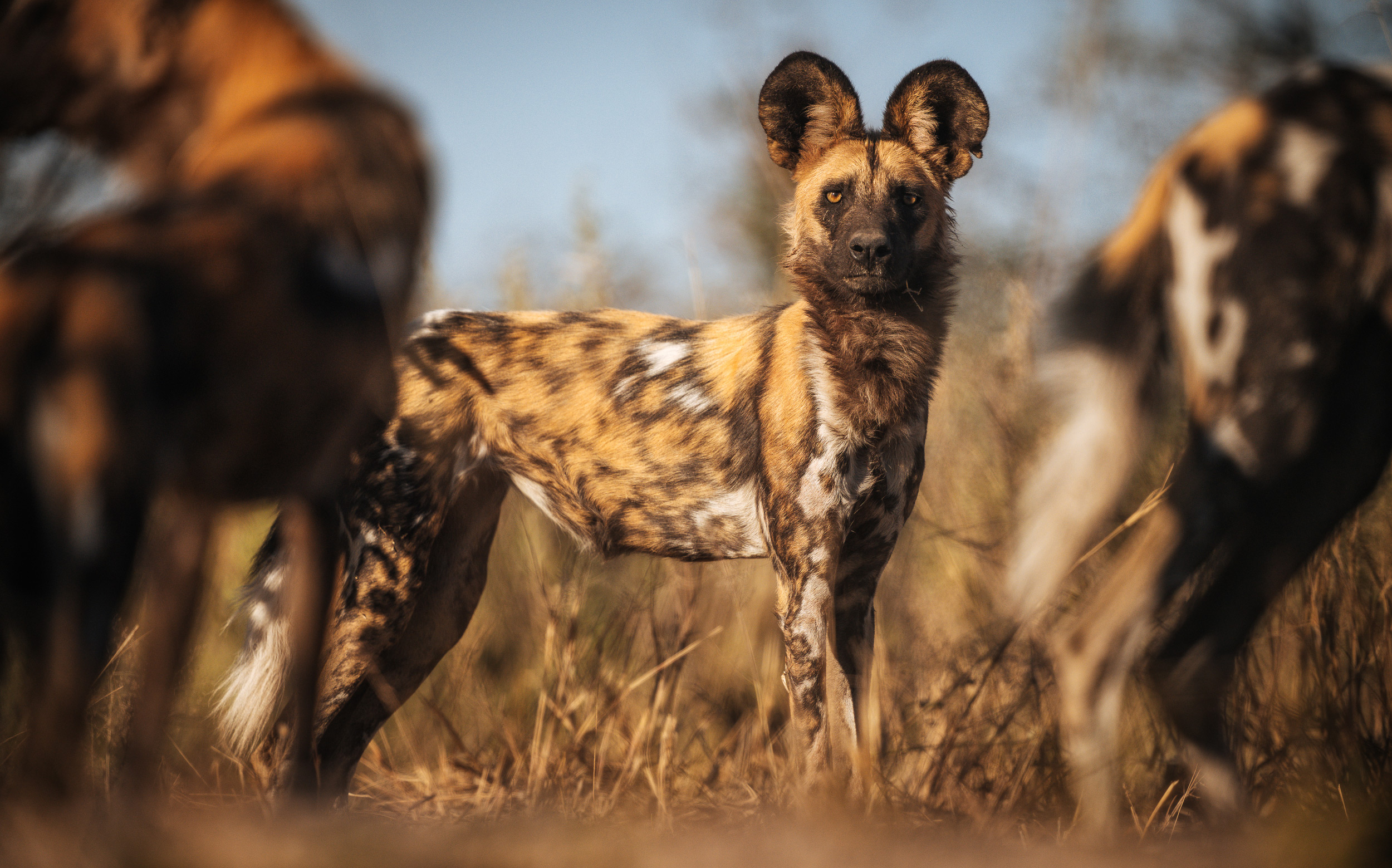 © Chris Schmid | Sony α1 + FE 300mm f/2.8 GM OSS + 1.4x Teleconverter | 1/3200s @ f/4.0, ISO 320
The support from Sony extends beyond Chris’s camera kit, with the brand often providing direct assistance. “The Nomad Trust were working on a carnivore project,” Chris recalls, “with local rangers identifying the wild dogs and lions in a specific area. However, they were using their smartphones cameras, and it was challenging to distinguish the individual dogs from one another. I asked Sony if they could help, and they provided three Cybershot RX10 cameras, which have great zoom lenses. It helped the project with its work monitoring, identifying and protecting the wild dogs and big cats. It is so simple, but helping communities like this by giving them the right tools can make a big difference.”
Featured products


Chris Schmid | Switzerland
"Imagery is powerful. A single shot can capture an emotion or trigger a feeling within"


