
Wild by Nature
Drew Webb
When a photographer knows and loves their kit, it can be hard to get them to swap to something new. That was exactly the situation wildlife photographer Drew Webb found himself in when he swapped his Sony Alpha 7 V for the Sony Alpha 6700. “I'm used to full professional cameras like my Alpha 7 series and Sony G Master lenses. I wasn’t expecting to be blown away!”
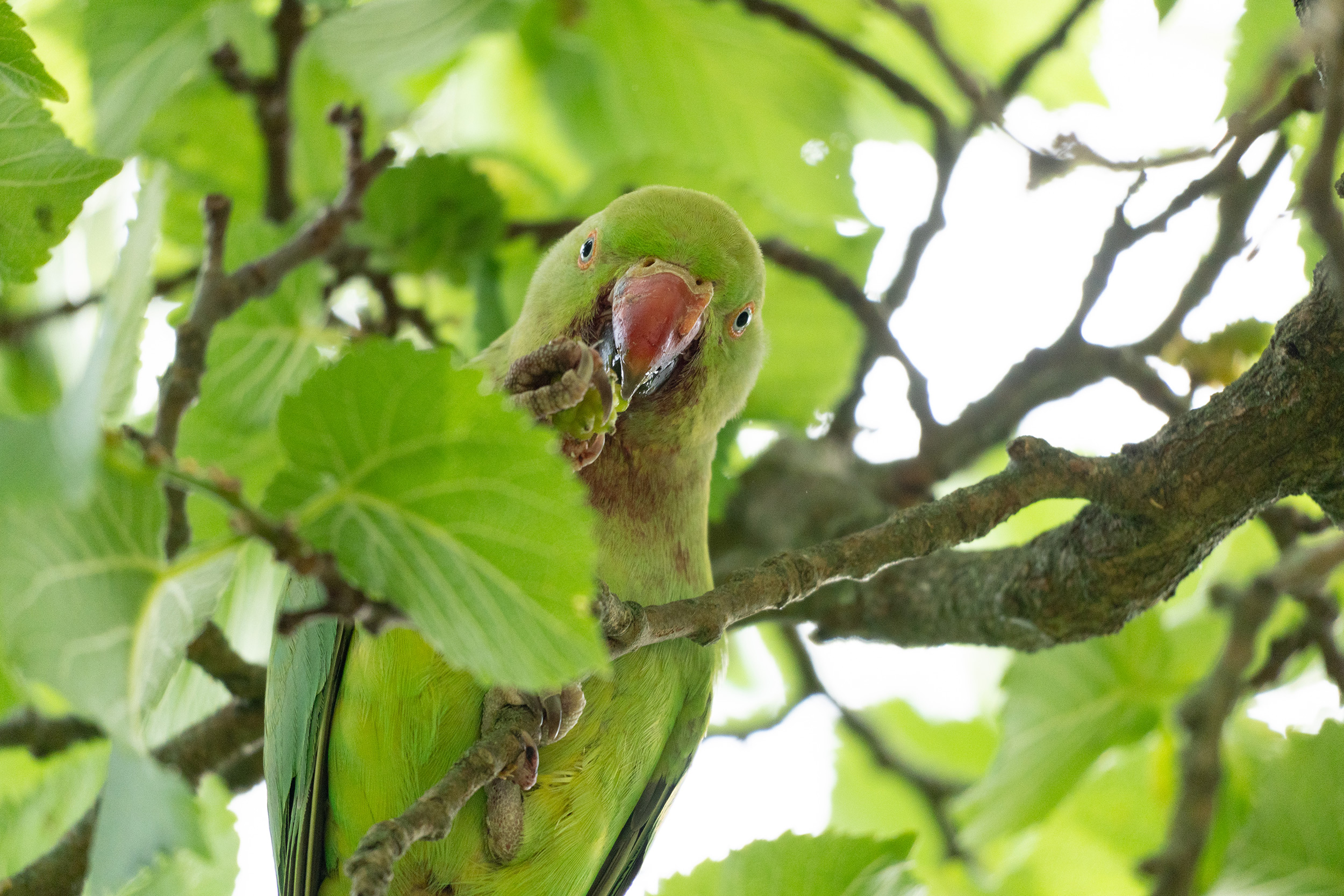 © Drew Webb | Sony α6700 + E 70-350mm f/4.5-6.3 G OSS | 1/500s @ f/6.3, ISO 800
What Drew discovered surprised him: it had all the features he has come to expect when using his Sony Alpha 7 full-frame sensor cameras. “Other than the form factor, I didn’t feel like I was using a different camera.
“With features such as AI-based Real-Time Recognition AF for subject detection, there was an immediate familiarity with the camera; “The Alpha 6700 felt exactly the same as the Alpha 7 V; it just felt like the lightweight version. That's probably the biggest thing about this camera: how effortless it is to use.”
The Alpha 6700 is available in a kit, with the E 70-350mm f/4.5-6.3 G OSS lens - a kit that provides the ideal entry point for aspiring wildlife photographers. With the Alpha 6700 using an APS-C size sensor, the 70-350mm lens is the same field of view as a 105-525mm lens on a full-frame camera - a lens that would be significantly larger and heavier.
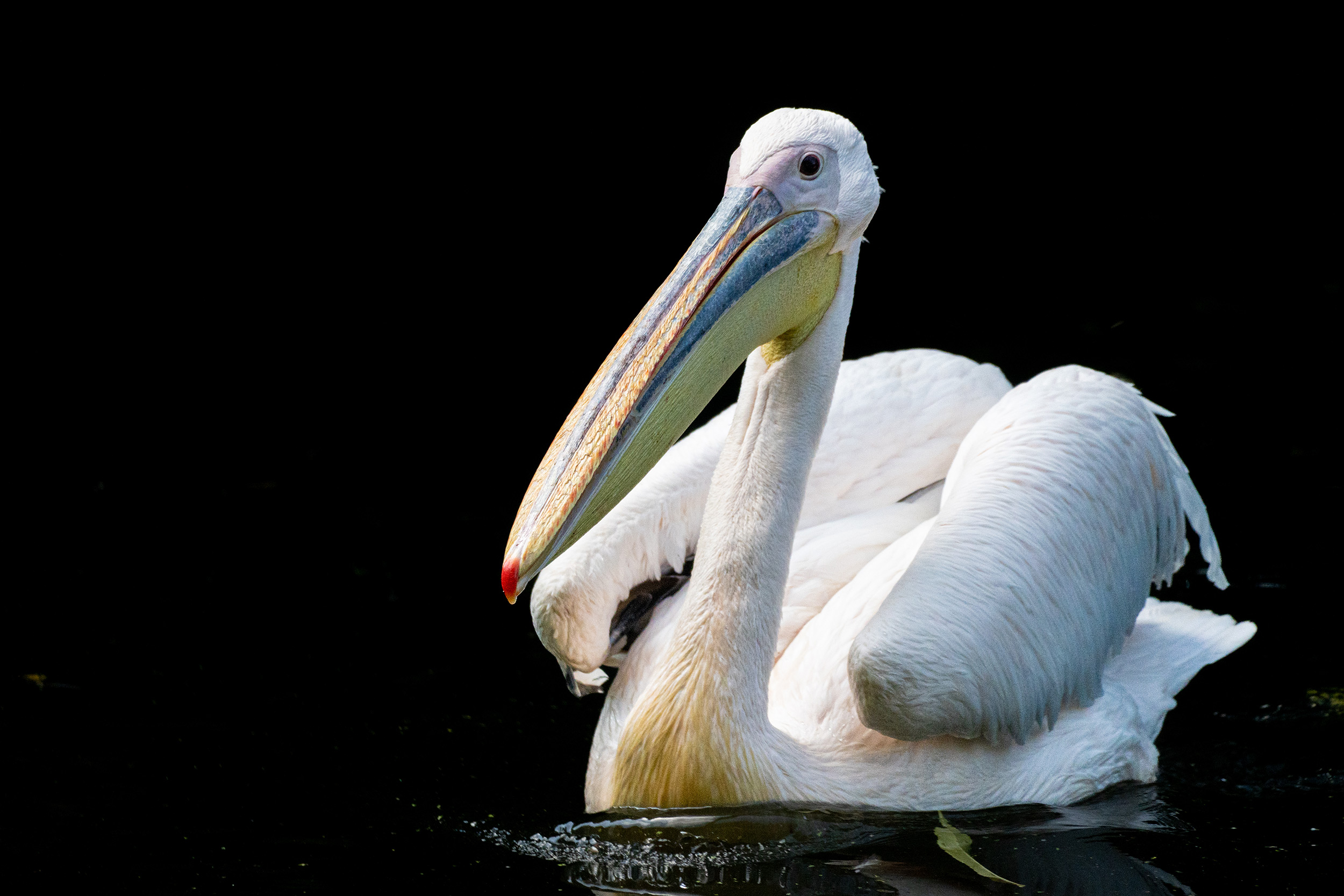 © Drew Webb | Sony α6700 + E 70-350mm f/4.5-6.3 G OSS | 1/2500s @ f/6.3, ISO 1250
“It’s such a capable lens. The focal length is ideal for photographing wildlife that is closer to you, such as in gardens or city parks, where the wildlife isn’t too far away and is used to people being around. And it is so light; even when you are zoomed in, you can be incredibly mobile and able to respond to rapidly changing subjects.”
Drew’s first tests of the kit came on a trip to London, with the famous parks providing an easy place to get acquainted with the camera, and a wide variety of bird species to photograph. A day trip like this is where the size and weight of the Alpha 6700 and E 70-350mm f/4.5-6.3 G OSS really come into their own. “My back didn’t hurt when I lifted the bag”, he recalls “In fact, I just put the camera and lens in a normal bag. I was able to casually stroll around the city when not in the parks.”
“After photographing birds, I swapped to photographing dragonflies. Then I went into the gardens and focused on butterflies and insects." The AI autofocus adapted each time to the subject that Drew wanted to focus on. And the focal length of the 70-350mm lens also worked perfectly for the varied wildlife on show.
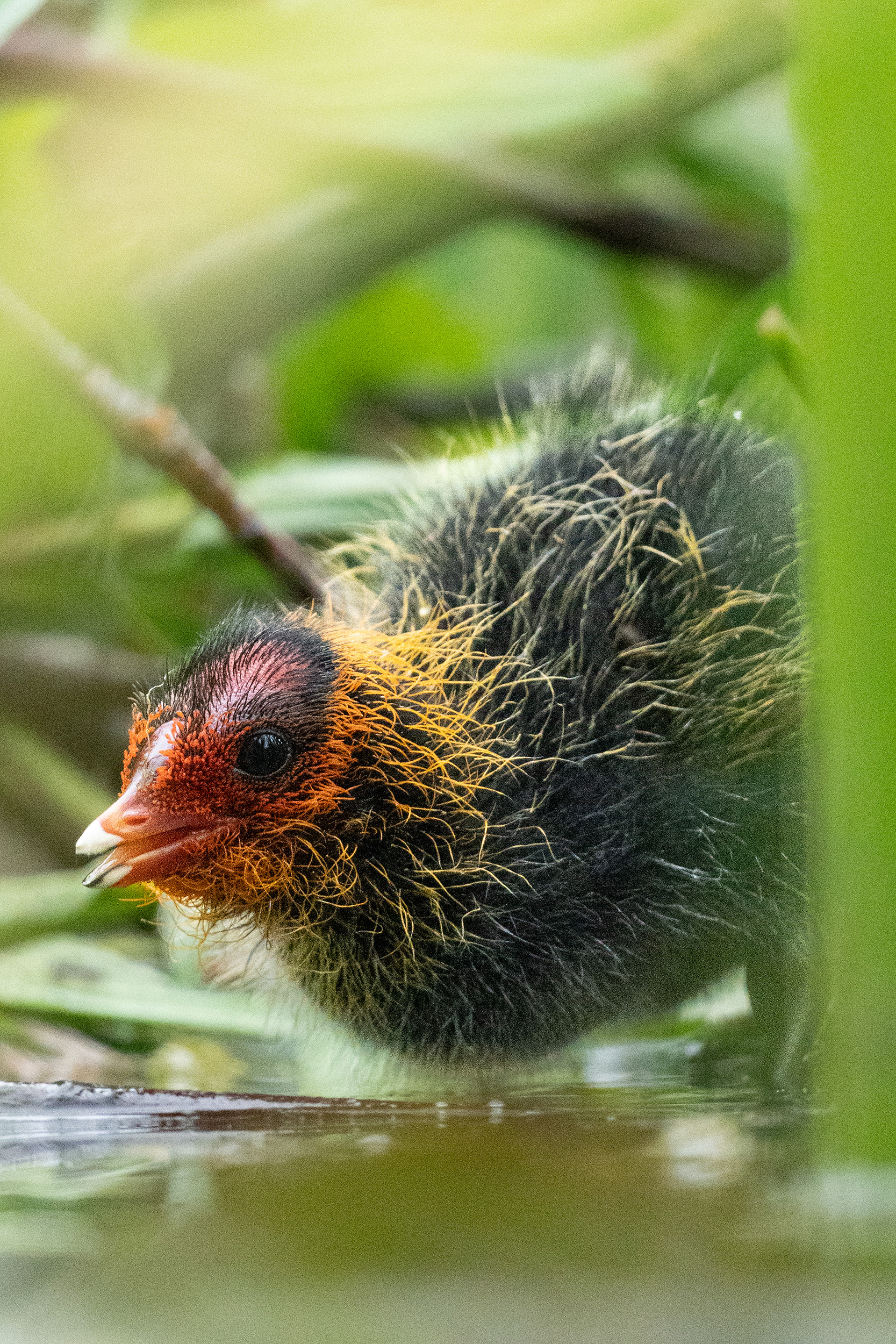 © Drew Webb | Sony α6700 + E 70-350mm f/4.5-6.3 G OSS | 1/1000s @ f/6.3, ISO 5000
“If you ever want to test a camera's autofocus system, try dragonflies”, says Drew. “The Alpha 6700 and 70-350mm lens locked around 70% of the time, and once it got them, it tracked them. I put the camera into burst mode and got some really nice shots of dragonflies in flight. The trick with dragonflies is they move erratically; you need the space in the frame to see where they go.”
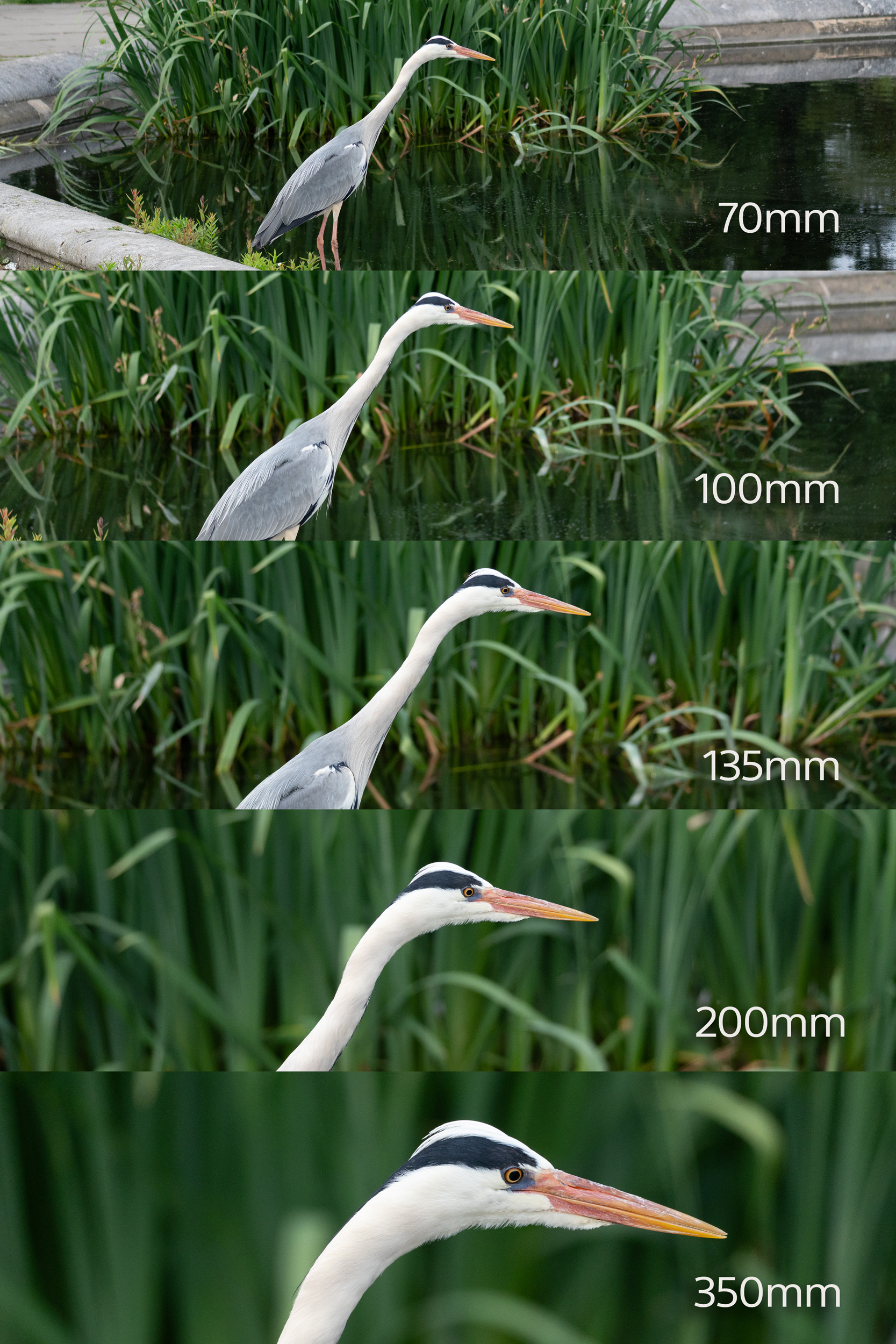 © Drew Webb | Sony α6700 + E 70-350mm f/4.5-6.3 G OSS | 1/1000s @ f/6.3, ISO 5000
The camera and lens combination worked perfectly for Drew. “There are so many advantages to an APS-C sensor for wildlife - the form factor, the size, the responsiveness, the mobility. If you're doing wildlife photography, you're carrying your kit for long hours. A lighter setup will be your favourite thing in the world,” exclaims Drew.
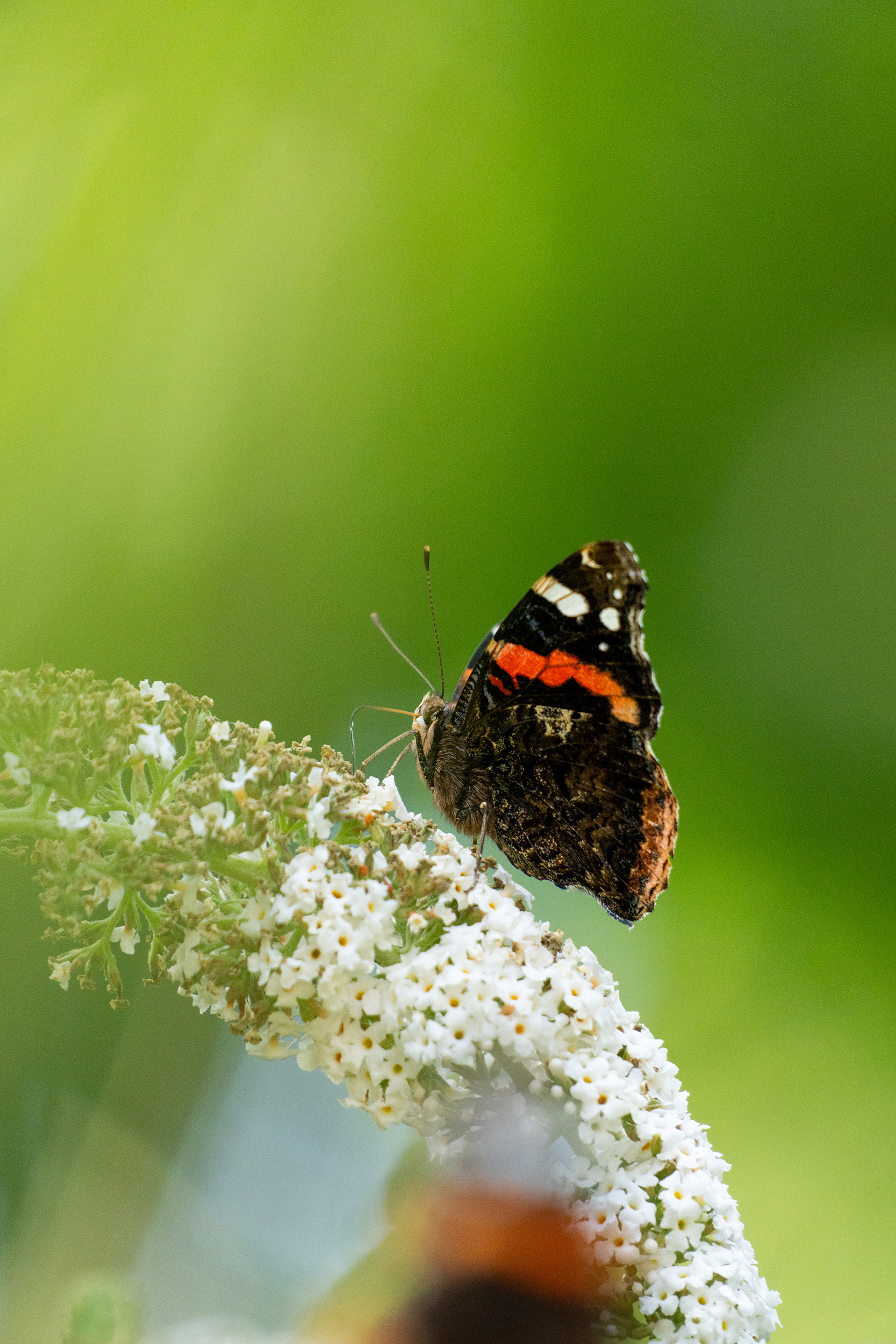 © Drew Webb | Sony α6700 + E 70-350mm f/4.5-6.3 G OSS | 1/640s @ f/6.3, ISO 1250
The only compromise is the f/4-6.3 aperture, compared to the f/2.8 G Master lenses Drew is used to. However, there is naturally a shallow depth of field. “It doesn’t need to be f/2.8”, says Drew ‘if you want to isolate a subject from the background, you can do that with the focal length compression. You don’t necessarily need a large aperture to do that.”
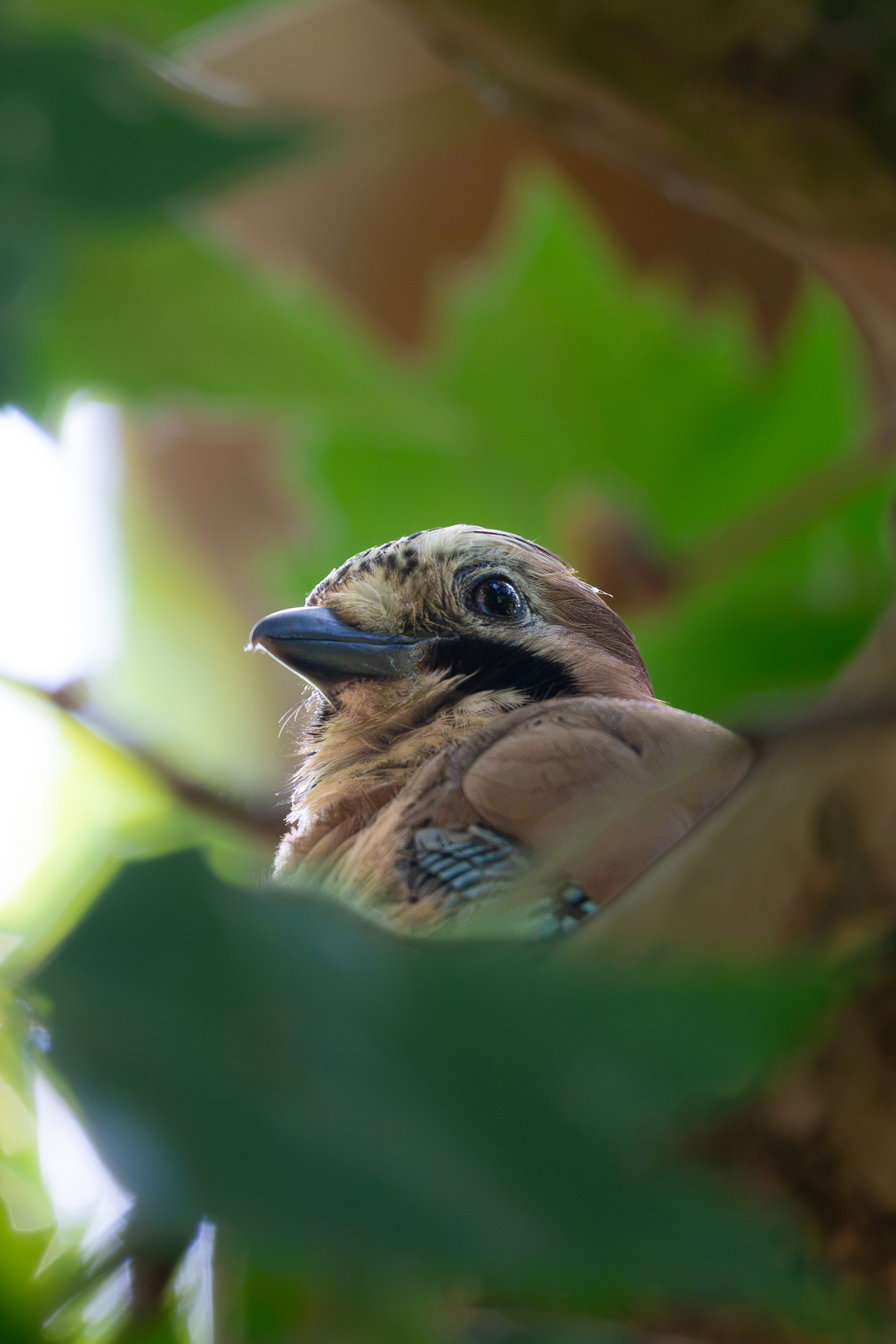 © Drew Webb | Sony α6700 + E 70-350mm f/4.5-6.3 G OSS | 1/400s @ f/6.3, ISO 1250
Testament to the Alpha 6700 and its 26-megapixel sensor is that Drew says he would be happy to use the camera professionally. “I've put shots from this camera on my portfolio. If you go on my Instagram, the last twenty shots are probably all from this camera.”
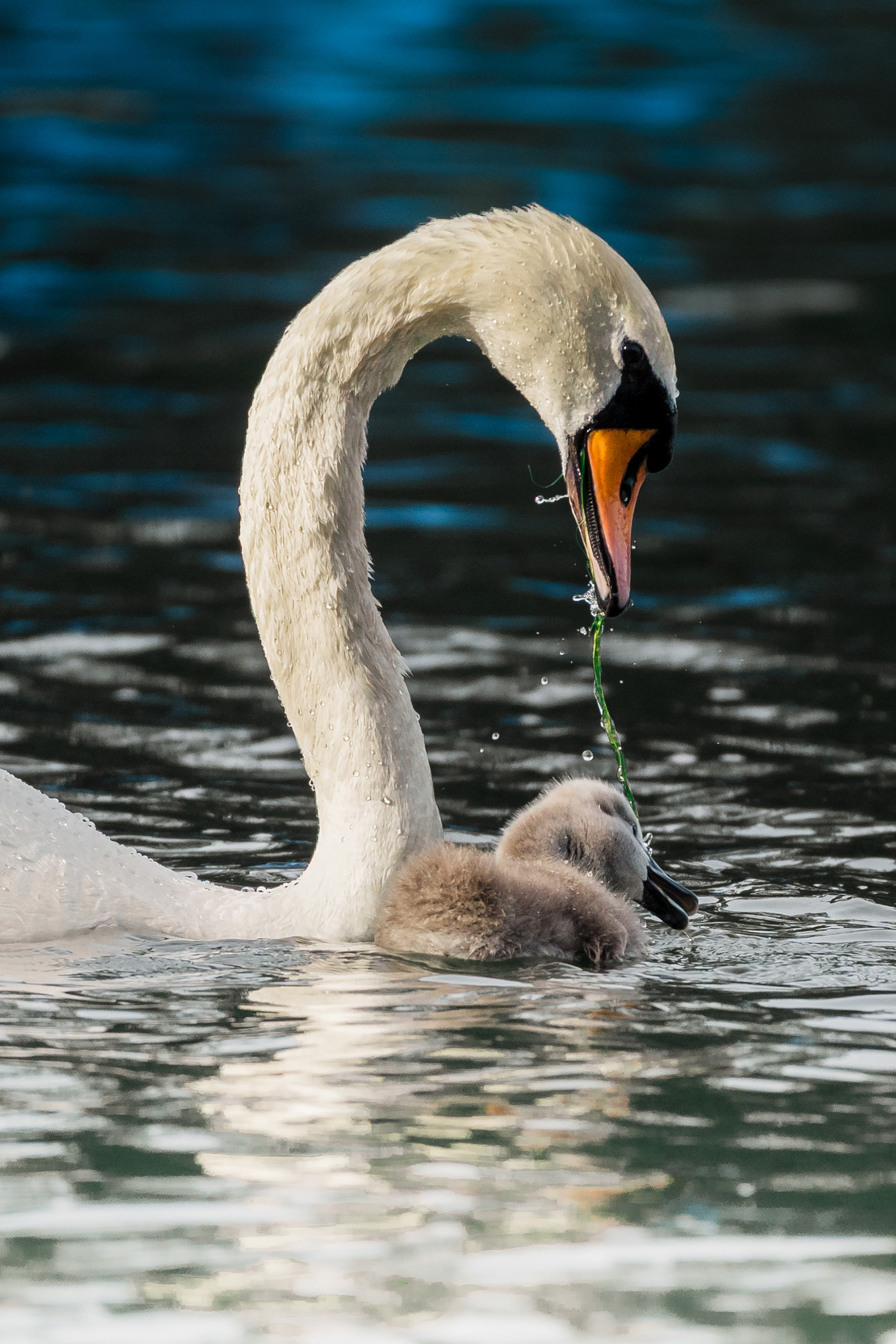 © Drew Webb | Sony α6700 + E 70-350mm f/4.5-6.3 G OSS | 1/1250s @ f/6.3, ISO 500
I think the Sony Alpha 6700 is a great introduction into pro photography. You're at the stage where you want to commit to wildlife photography, but you need to refine your skills. This camera is going to let you lean on it as much as possible. And when you combine it with the lens, you will use it for travel as well as wildlife. It is a kit that certainly earns back its cost.”


